Common Causes of Basement Leaks
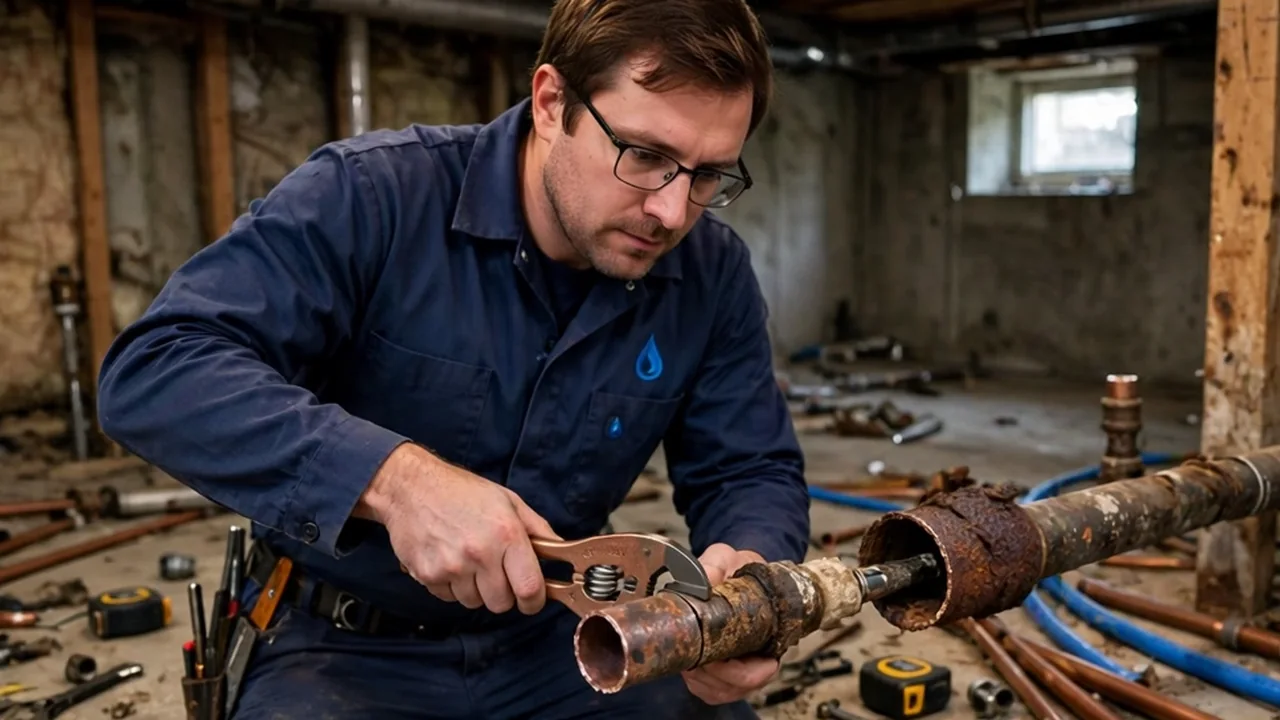
Basement leaks often come from hydrostatic pressure, which is groundwater pushing against your foundation walls. Cracks in the foundation, failed window wells, and poor drainage around the house let that water in. Plumbing leaks from pipes or fixtures inside the basement can also be the source, and a sewer backup can bring dirty water up through floor drains.
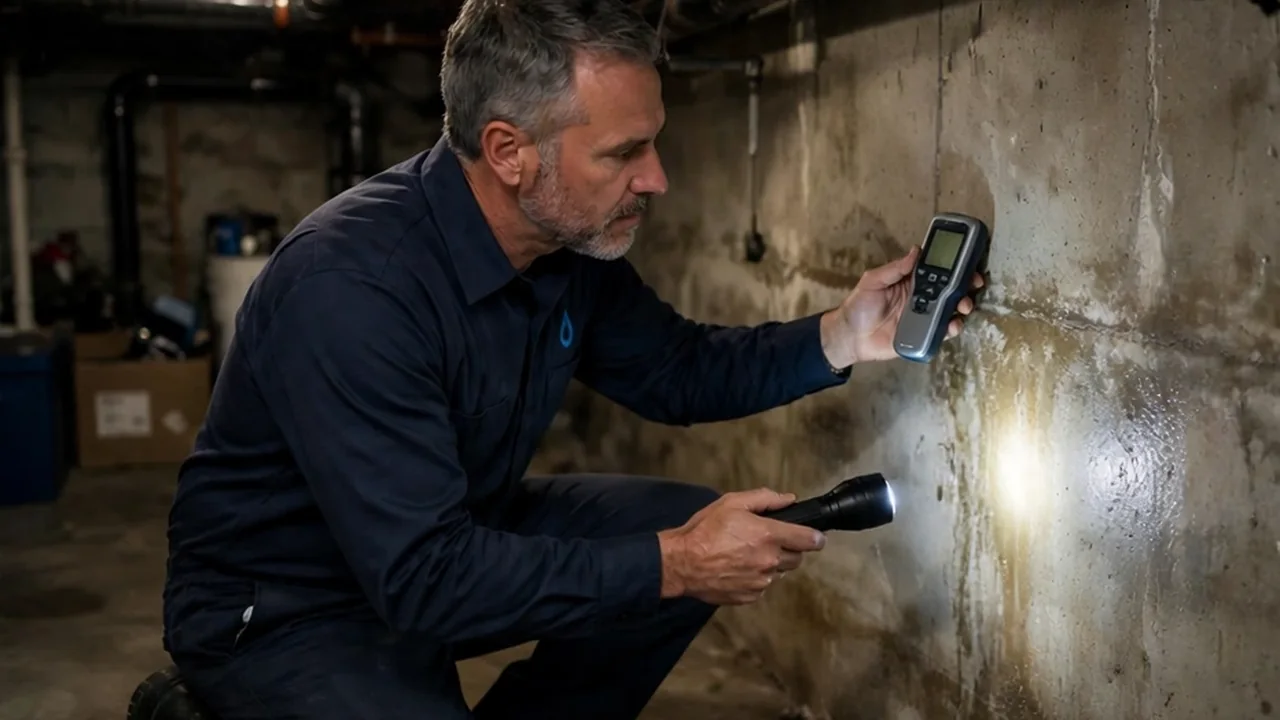
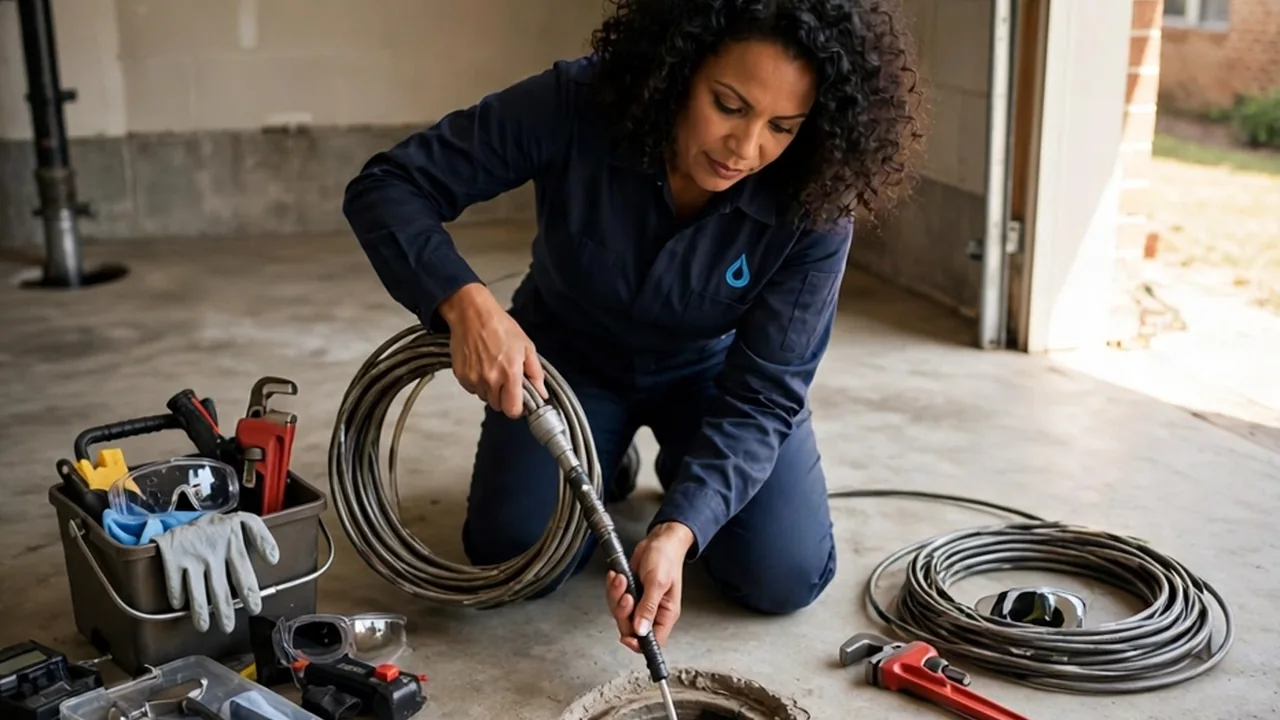
In Newnan, Georgia, the clay soil holds water, so after heavy rain, the pressure on basement walls increases. Older homes may have foundation cracks that have been patched before but failed again. A professional can use leak detection and camera inspection to find the exact entry point.
Warning Signs You Should Not Ignore
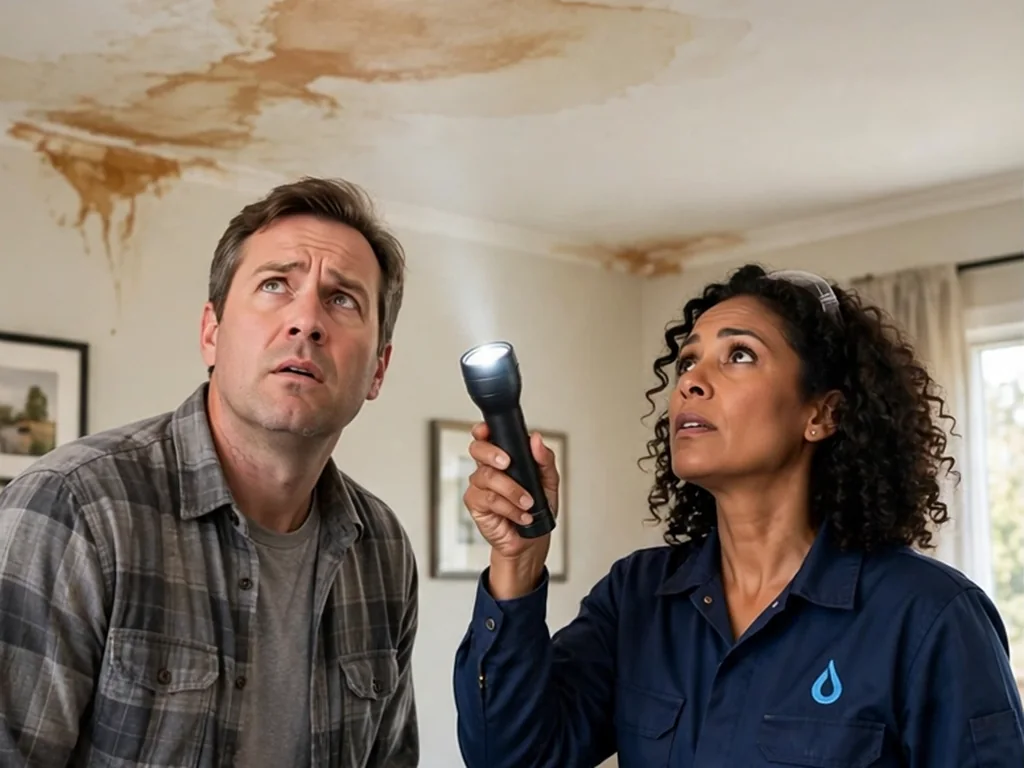
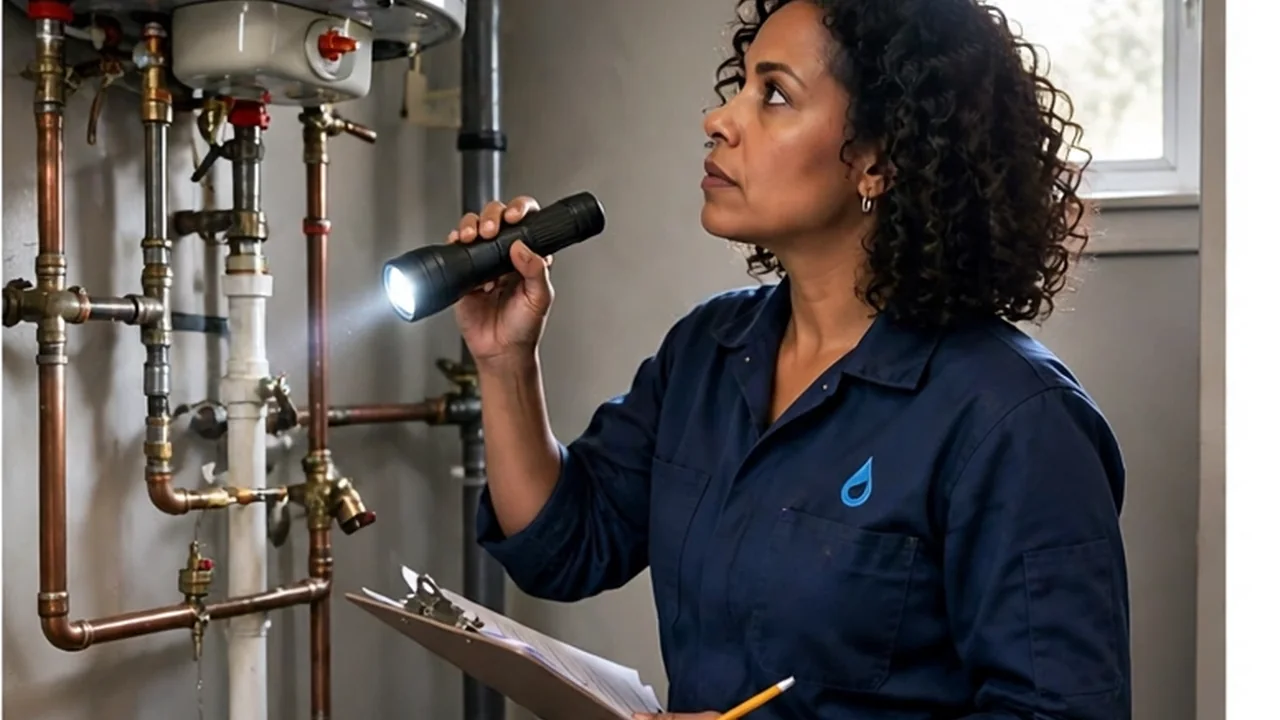
Water stains on the floor or walls, a musty smell, and visible mold are signs of a leak. You might also see efflorescence, which is a white powder on the walls, or notice that the basement feels damp. If you hear water running when no fixtures are on, that could be a pipe leak.
If you smell gas, leave the house and call for help immediately. Gas leaks are dangerous and require a licensed plumber. For water leaks, the sooner you act, the less damage you will have.
Safe DIY Care and When to Call a Pro
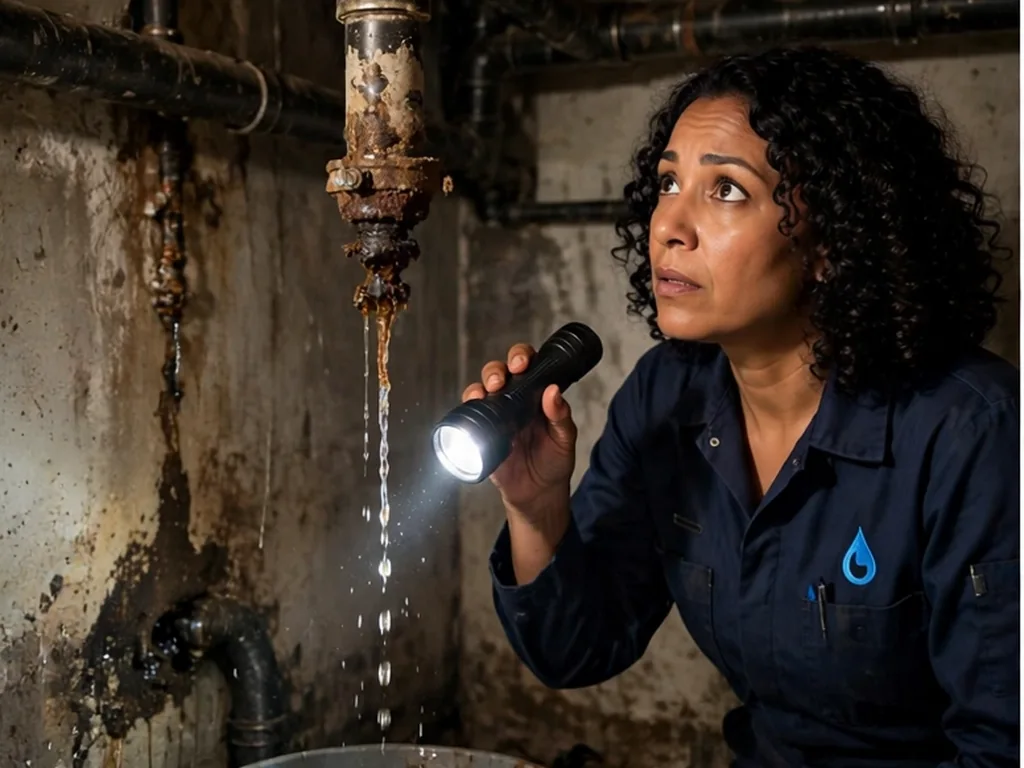
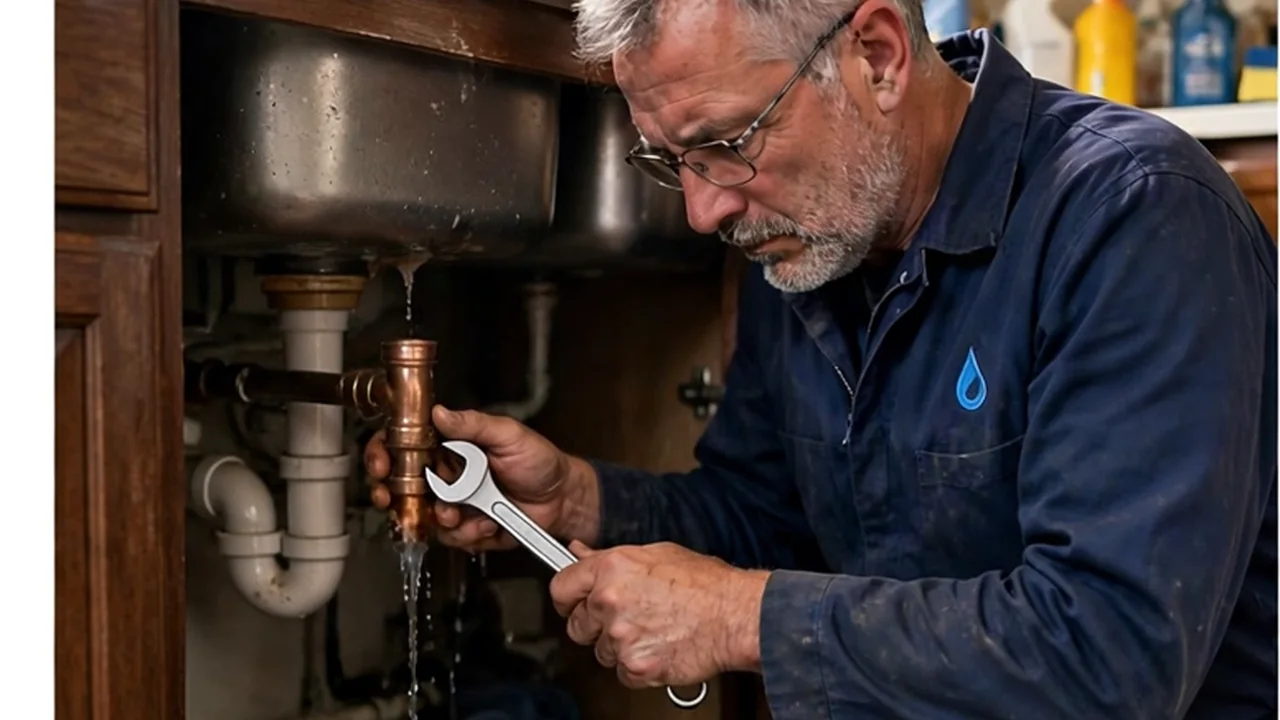
For a small, active leak, you can place a bucket under the drip and move valuables away. You can also use a towel to soak up water. Do not try to patch a foundation crack from the inside if water is actively flowing, because the patch will not hold.
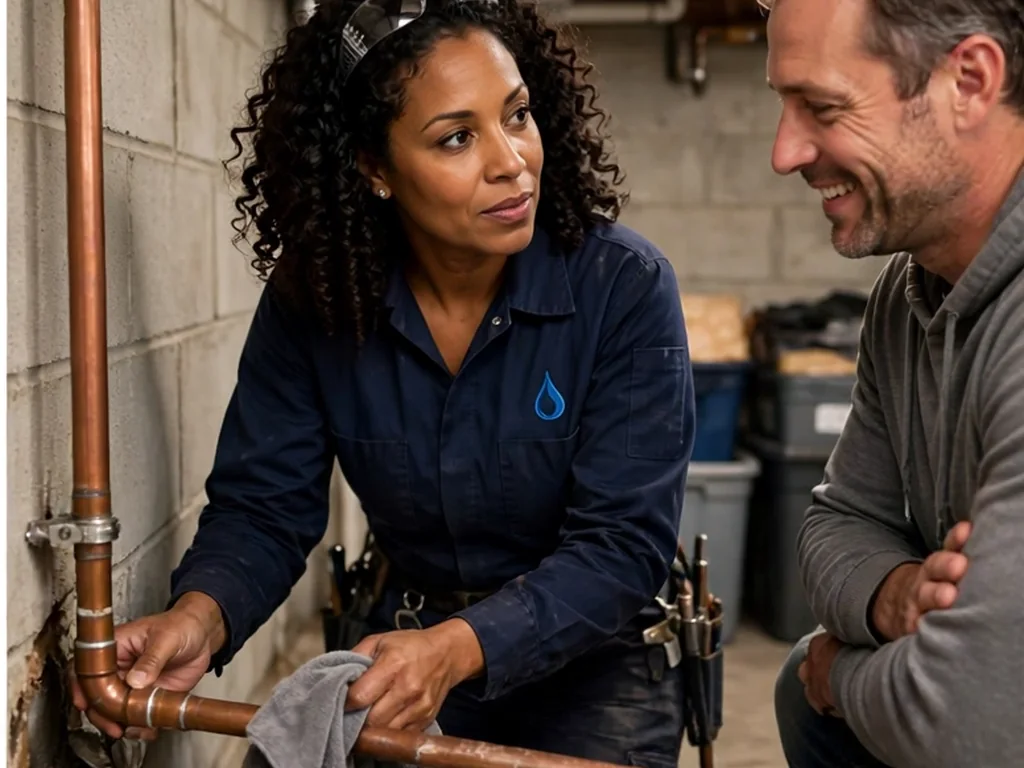
Call a plumber if the leak is more than a drip, if you see a sewer backup, or if you smell gas. For help right now, see our guide on how to get help for an active leak, backup, or gas smell.