How a Gas Water Heater Works
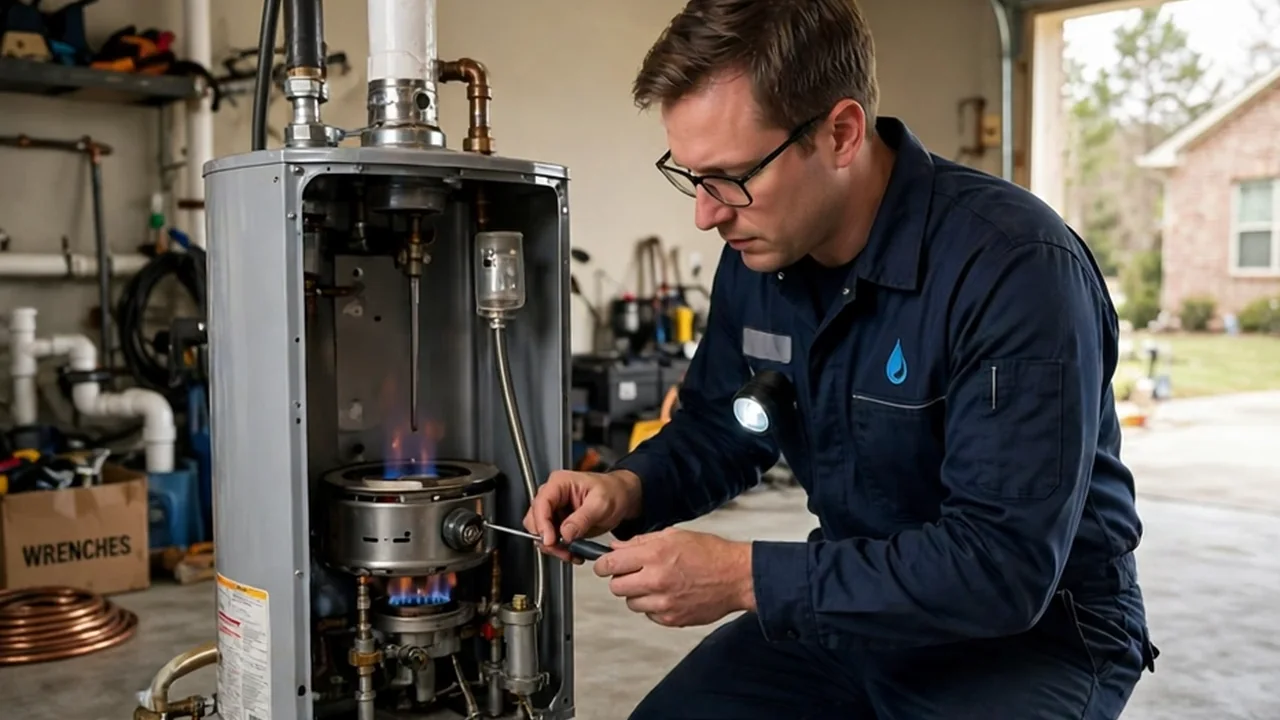
A gas water heater heats water in a tank using a gas burner controlled by a thermostat. Hot water rises to the top and is drawn off when you open a tap, while cold water enters at the bottom to be heated.
Tankless gas water heaters heat water on demand as it flows through a heat exchanger, so they never run out of hot water but require adequate gas supply and venting.
Common Causes of Gas Water Heater Problems
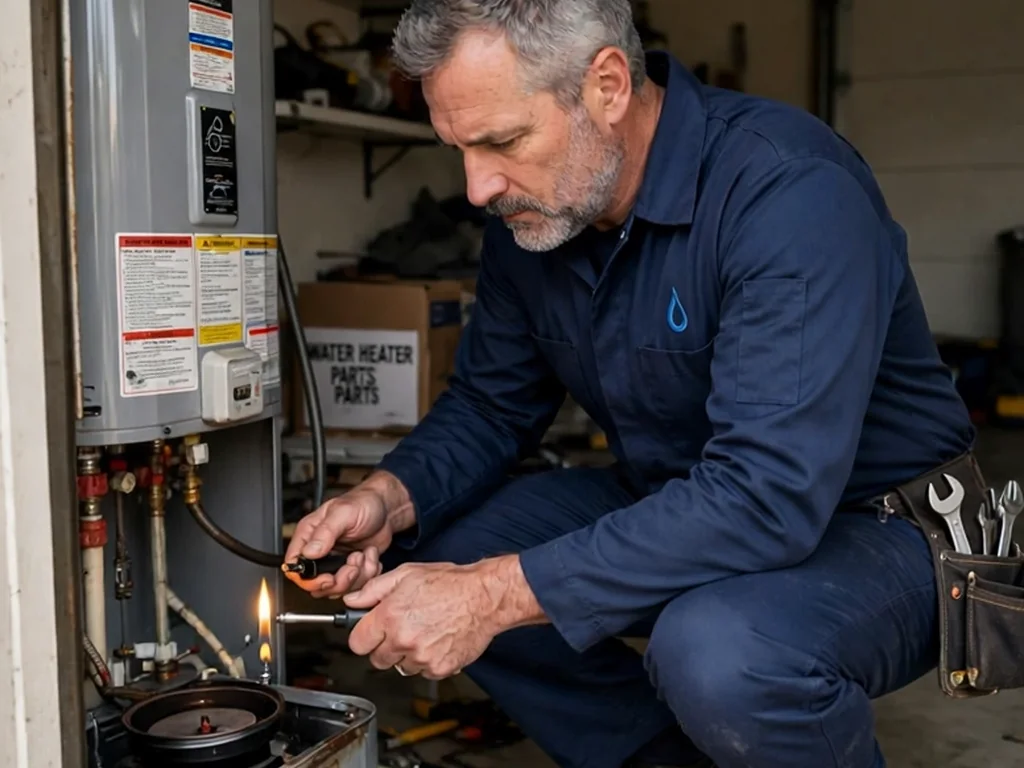
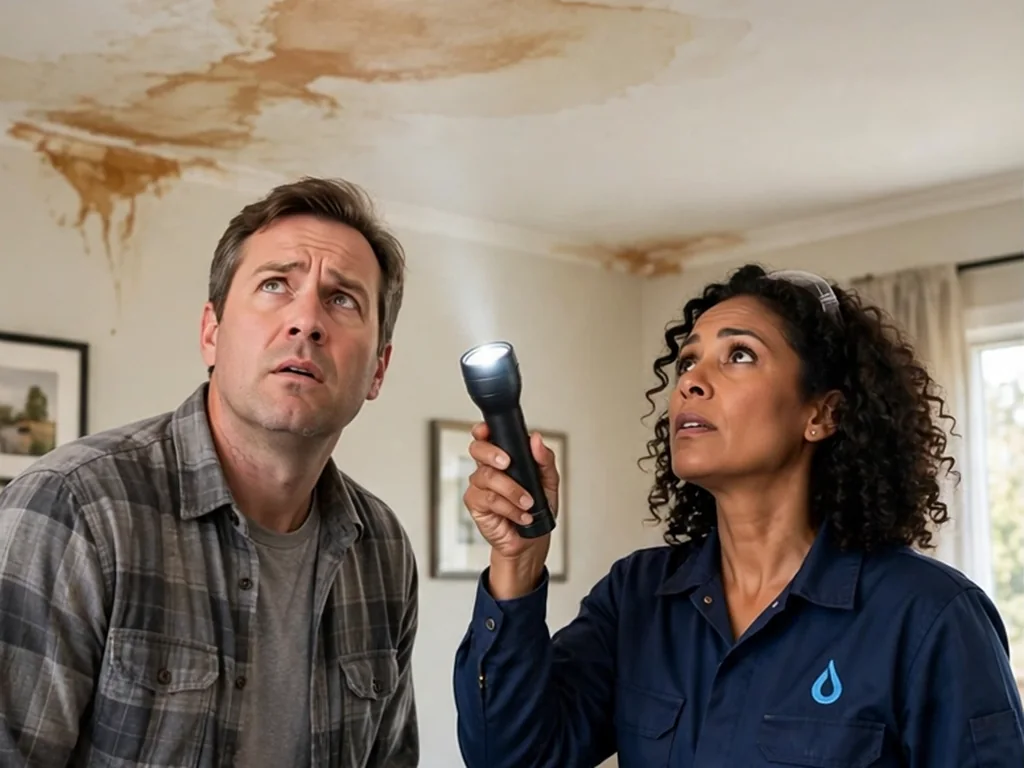
Leaks often come from a failed pressure relief valve, a corroded tank, or loose fittings. Running out of hot water can mean a failing dip tube, a broken thermostat, or sediment buildup. Inconsistent hot water may point to a faulty gas control valve or pilot light issues.
Energy loss and higher gas bills can result from sediment insulating the burner or a failing flue. Recognizing these symptoms helps you describe the problem accurately when you call.
Repair or Replace: Making the Decision
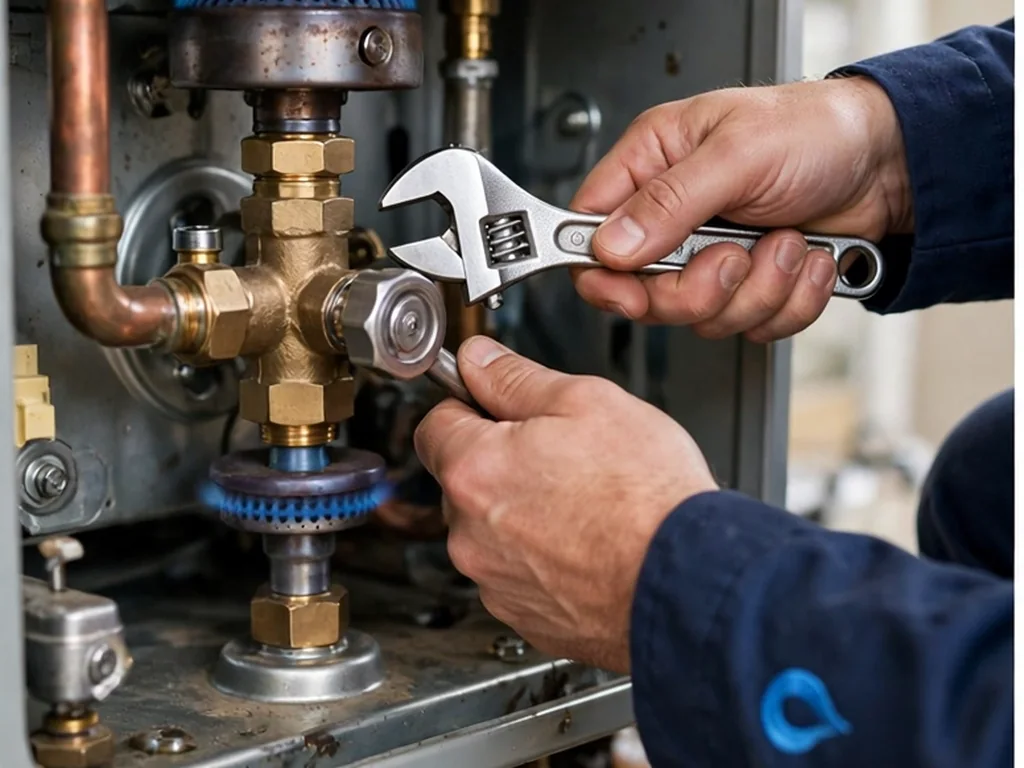
Repair is usually the right choice when the problem is a single component like a thermocouple, heating element, or valve, and the tank itself is sound. Replacement makes more sense when the tank is leaking, the unit is old and inefficient, or repairs would cost more than half the price of a new heater.
For a deeper comparison of repair versus replacement for water heaters, pipes, drains, and sewer lines, see our guide: When is repair the right choice versus replacement for water heaters, pipes, drains, and sewer lines?.