Tank vs tankless and electric vs gas: the trade-offs
A tank water heater stores hot water and reheats it, which wastes energy standing by; a tankless unit heats only what you draw, giving continuous hot water and freeing floor space. Electric tankless units need no gas line or venting but draw heavy amperage, so your electrical panel and wiring must be sized for the load. Gas tankless units heat faster for high demand but require gas supply and venting. For a Newnan household, the right choice depends on your fuel source, panel capacity and how many fixtures run at once.
What causes a water heater to fail
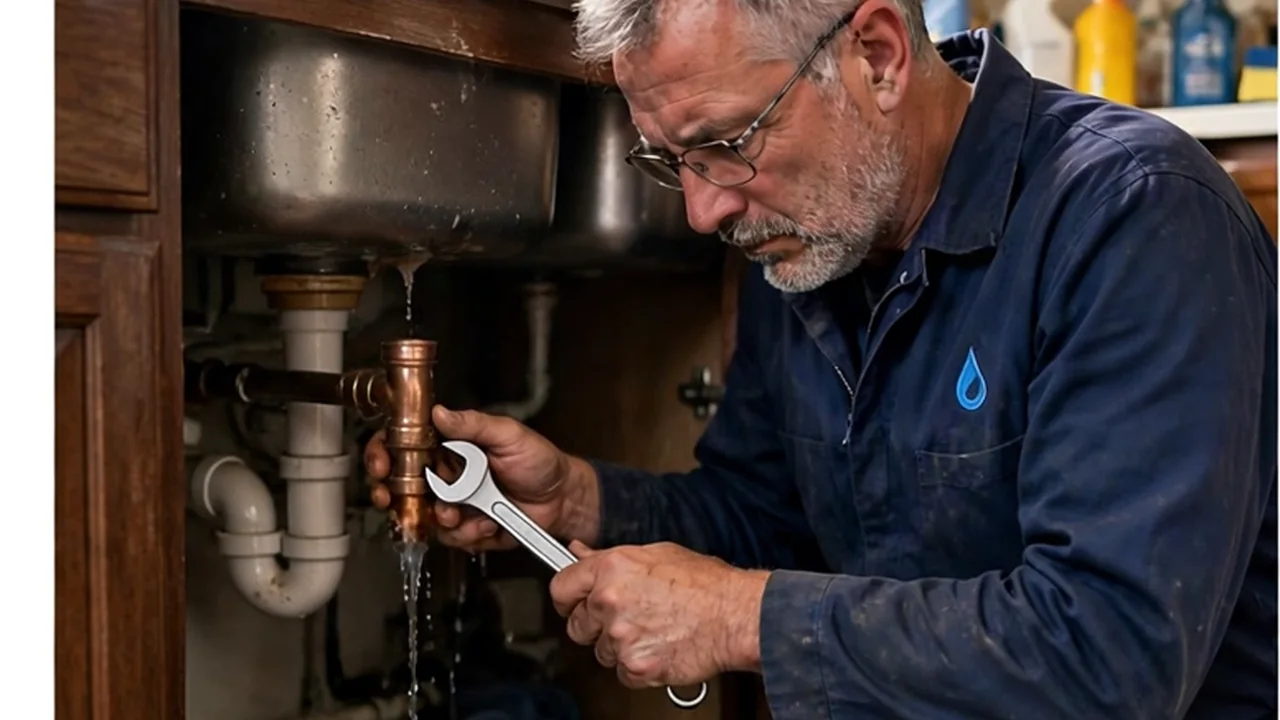
Leaking, running out of hot water, inconsistent temperature and rising energy bills are the common failure symptoms. In tank units, sediment and corrosion shorten life and force a planned replacement; tankless units lose efficiency when scale builds up inside the heat exchanger. Newnan's water hardness makes scale a real factor, so flushing and maintenance extend the life of either type.
Repair or replace, and what installation includes
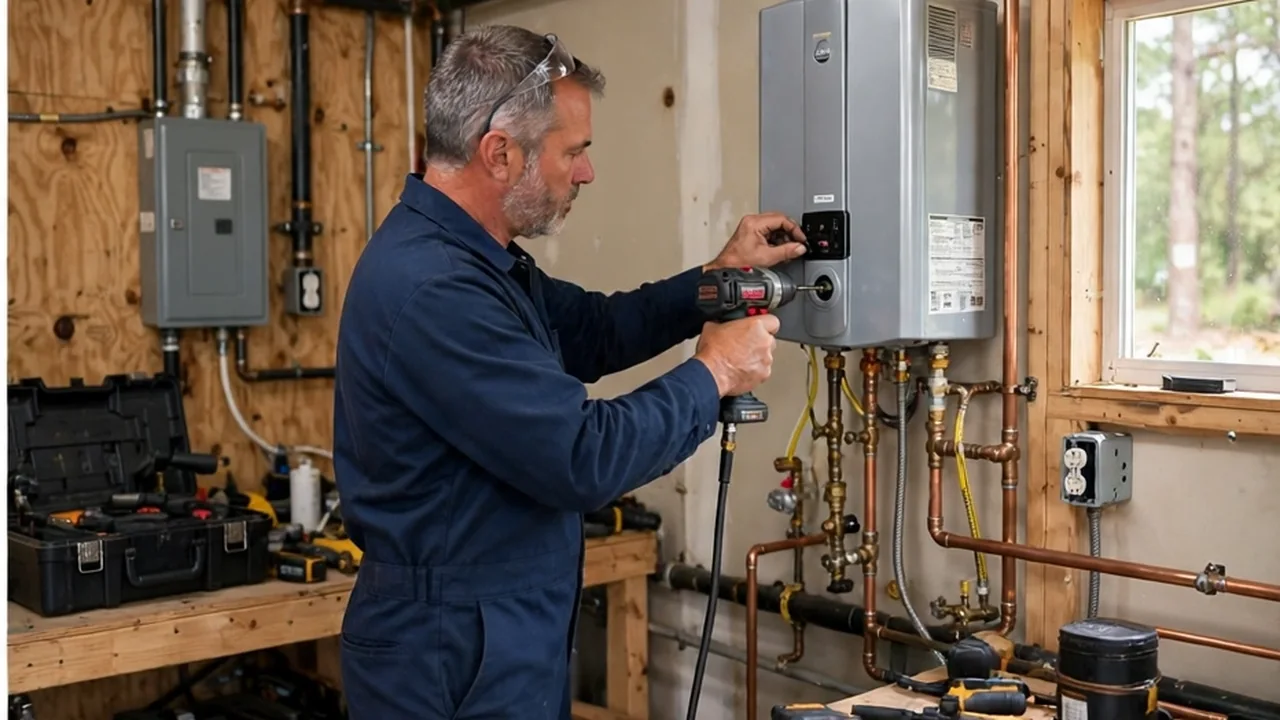
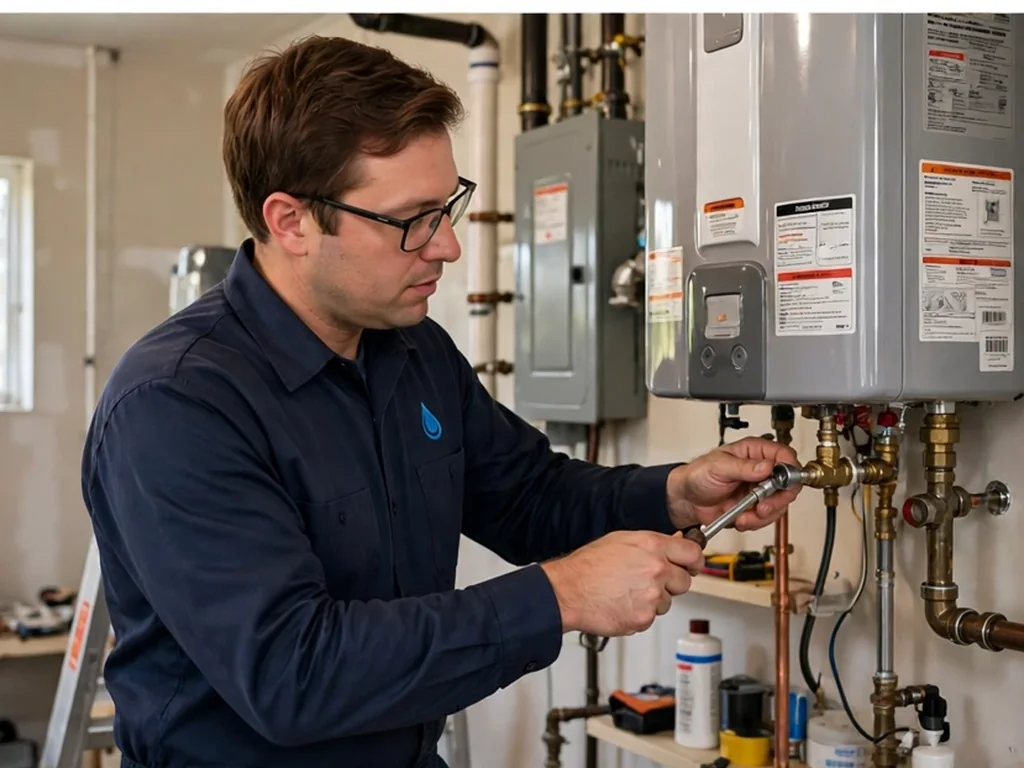
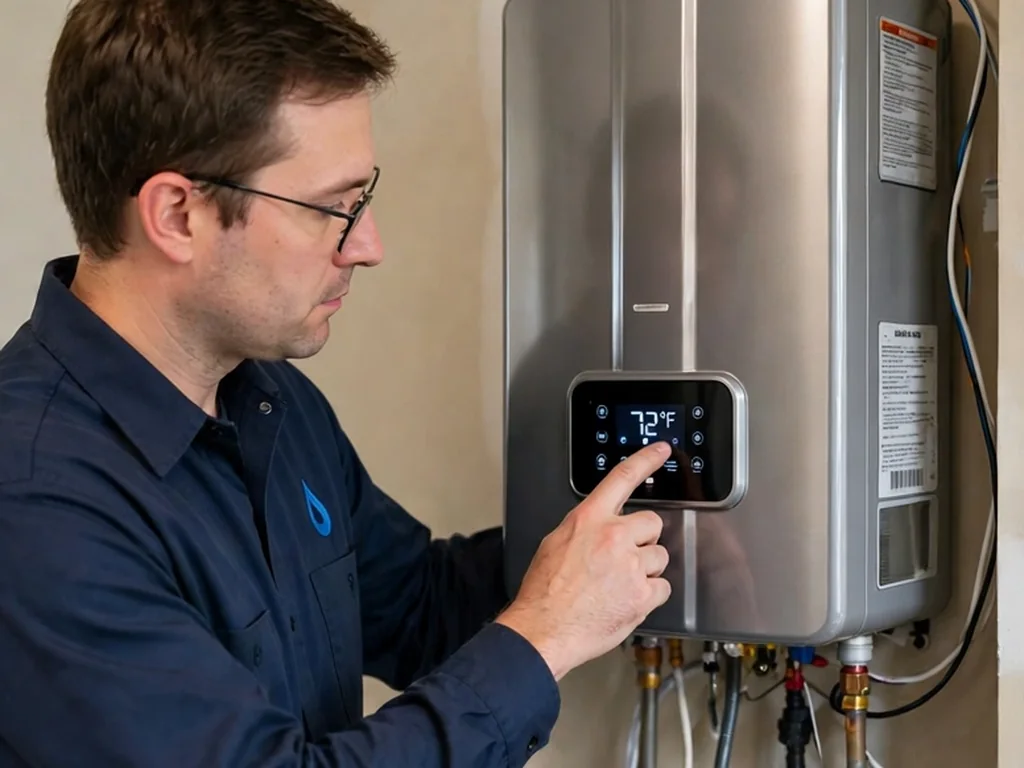
Repair is usually right when a single component fails on a sound unit; replacement makes more sense when a tank is aging, leaking from the shell or repeatedly failing. Electric tankless installation typically includes removing the old unit, mounting the new heater, running the dedicated circuit and plumbing connections, and testing flow and temperature. Our guide on when repair is the right choice versus replacement explains the decision, and our page on water quality and regional hardness covers scale.