Why Toilets Fail
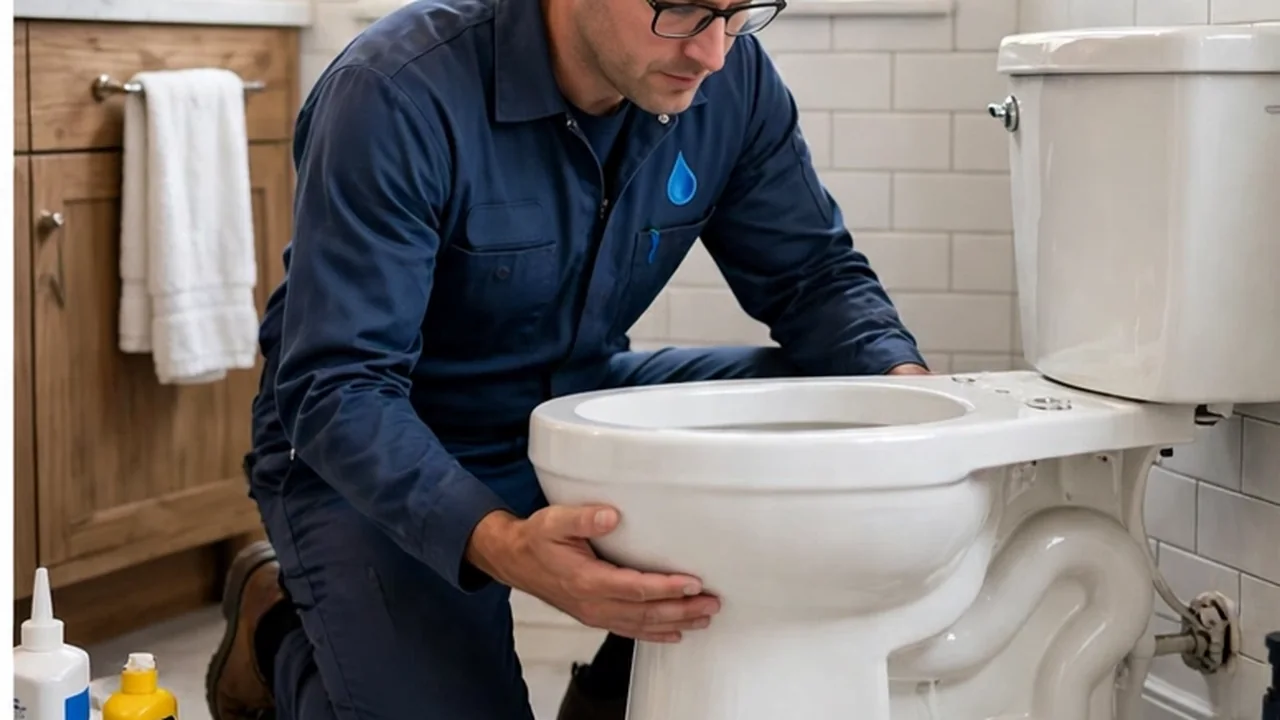
Toilets fail for a few common reasons: worn internal parts, cracks in the bowl or tank, a failing seal at the base, or mineral buildup in the trapway. In Newnan's older homes, repeated repairs can mean the fixture itself is at the end of its life.
A toilet that rocks, leaks at the base, or needs constant repairs is often better replaced than repaired. Replacement also lets you choose a water-efficient model that can lower water use.
Signs You Need a Replacement
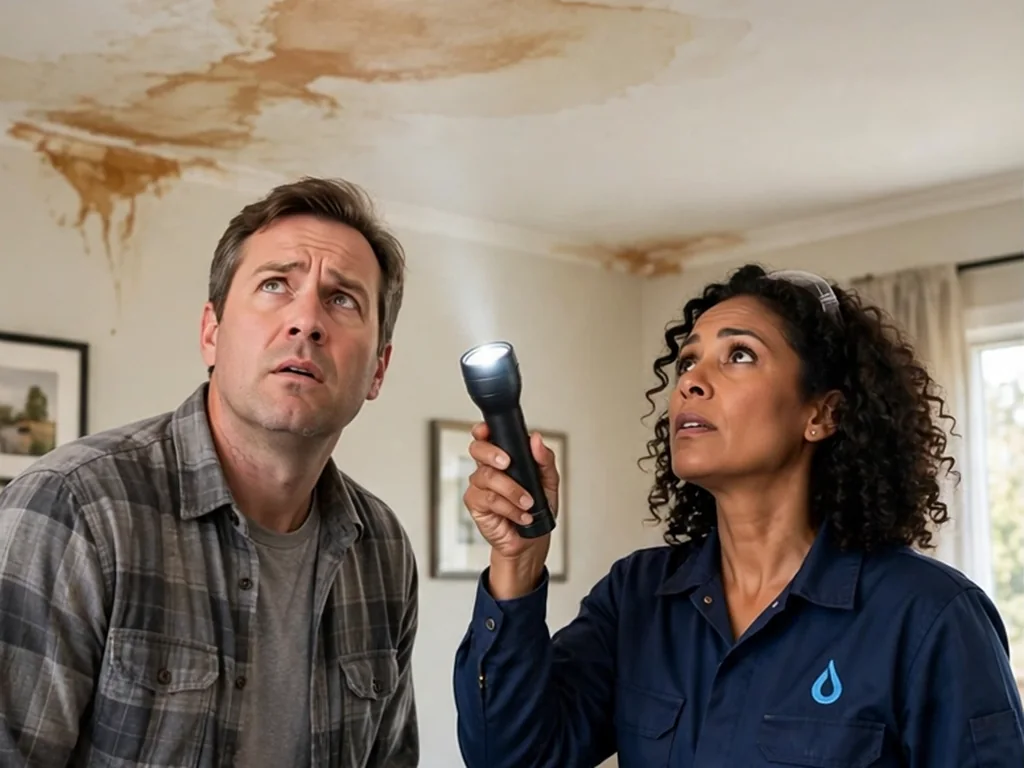
Signs you need a replacement include cracks in the tank or bowl, water on the floor around the base, a toilet that rocks even after tightening, and repeated clogs that a plunger cannot clear. Age alone is not a reason, but a toilet over 20 years old may use more water and have worn parts, so consider toilet bowl replacement.
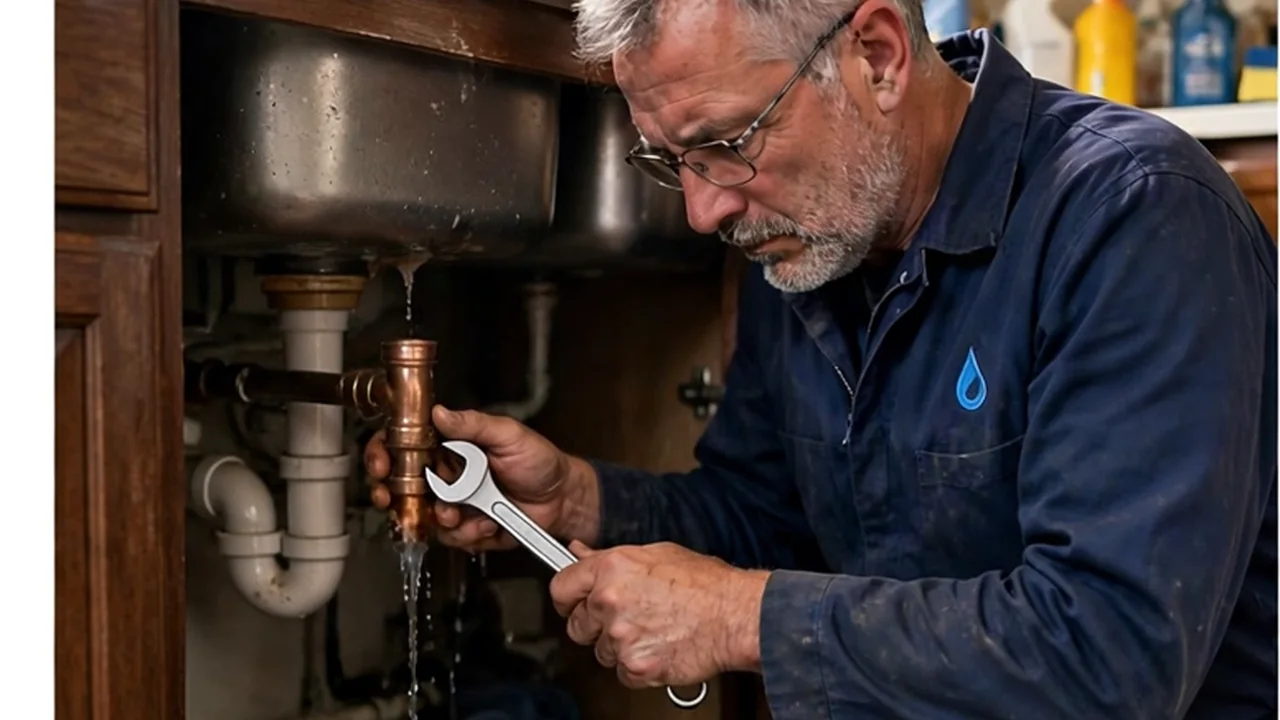
If repairs are becoming frequent, compare the cost of another repair with the cost of a new toilet. Our guide on when is repair the right choice versus replacement for water heaters, pipes, drains, and sewer lines? explains the trade-off.
What a Proper Installation Involves
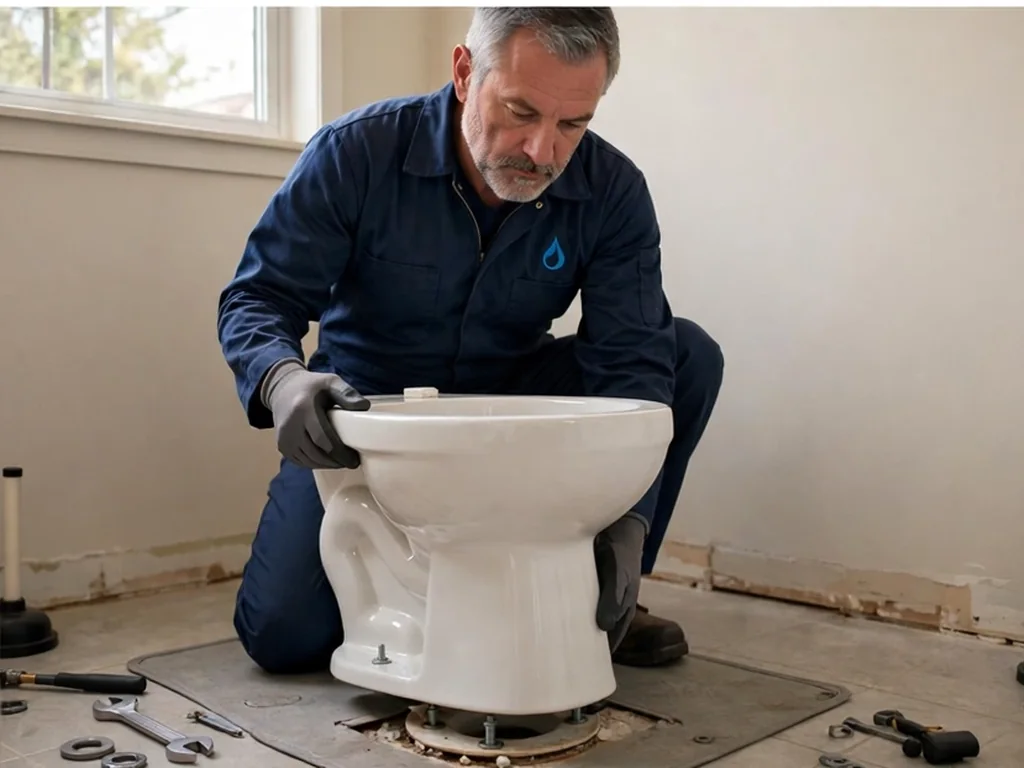
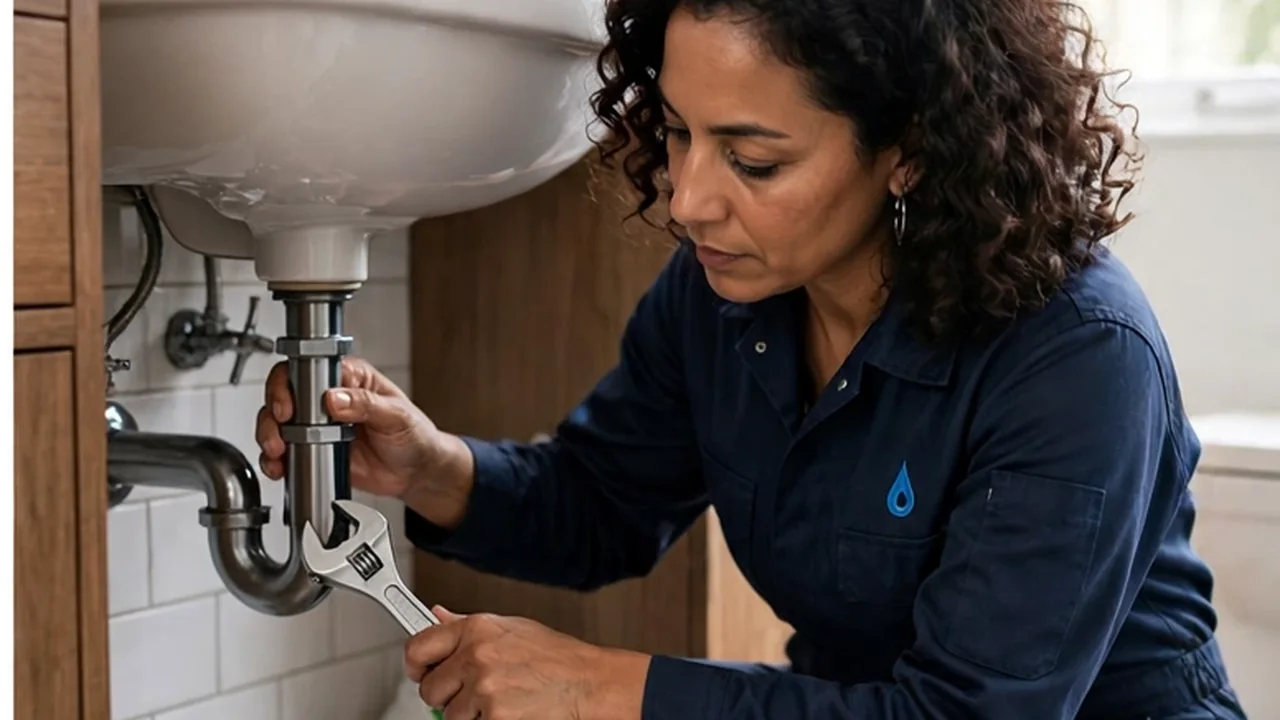
A proper installation starts with removing the old toilet and inspecting the flange and floor for damage. The new toilet is set on a new wax ring or seal, shimmed level, and connected to the water supply. The installer checks for leaks and tests the flush.
Skipping steps like replacing the supply line or checking the flange can lead to leaks later. Professional toilet replacement in Newnan includes these checks so the new fixture lasts.