Common Causes of Clogged Drains
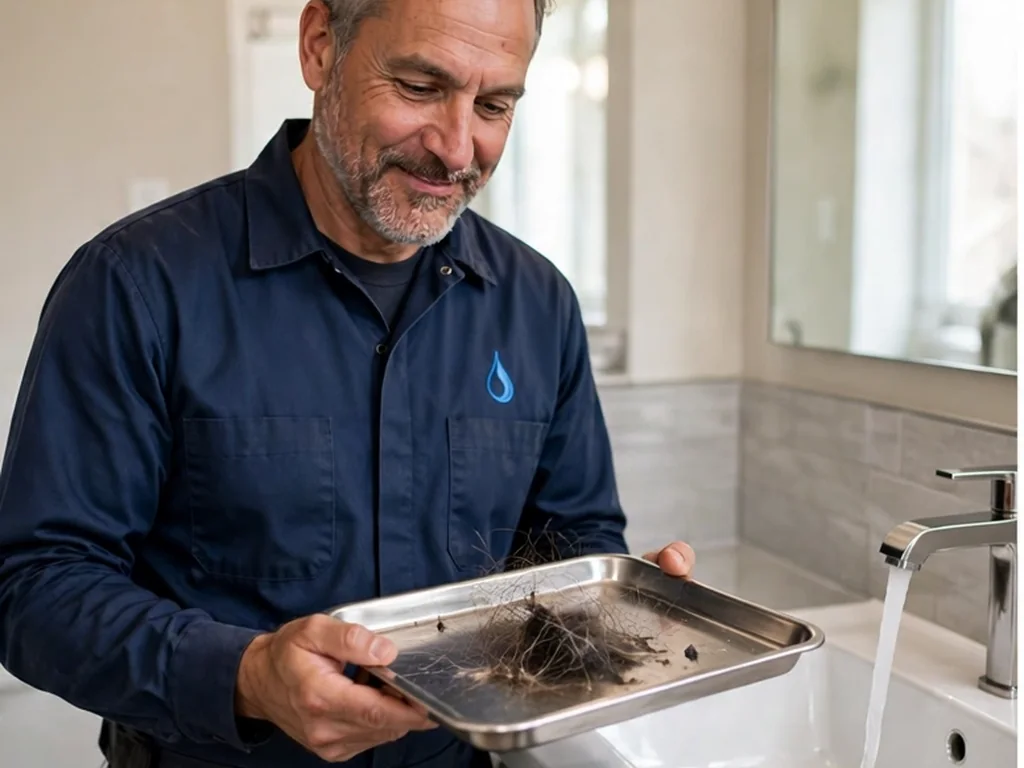
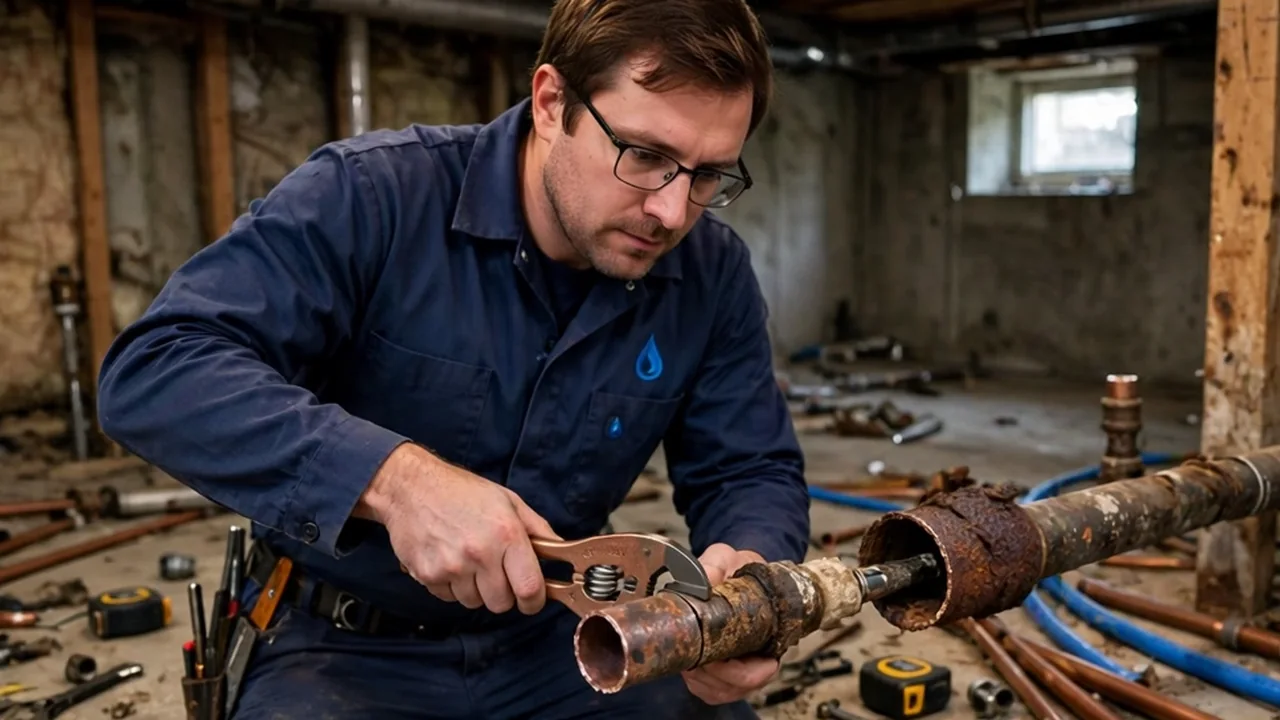
Clogged drains usually come from debris buildup, grease, root intrusion or pipe damage. Grease cools and hardens inside the pipe, while tree roots find their way into cracks and grow.
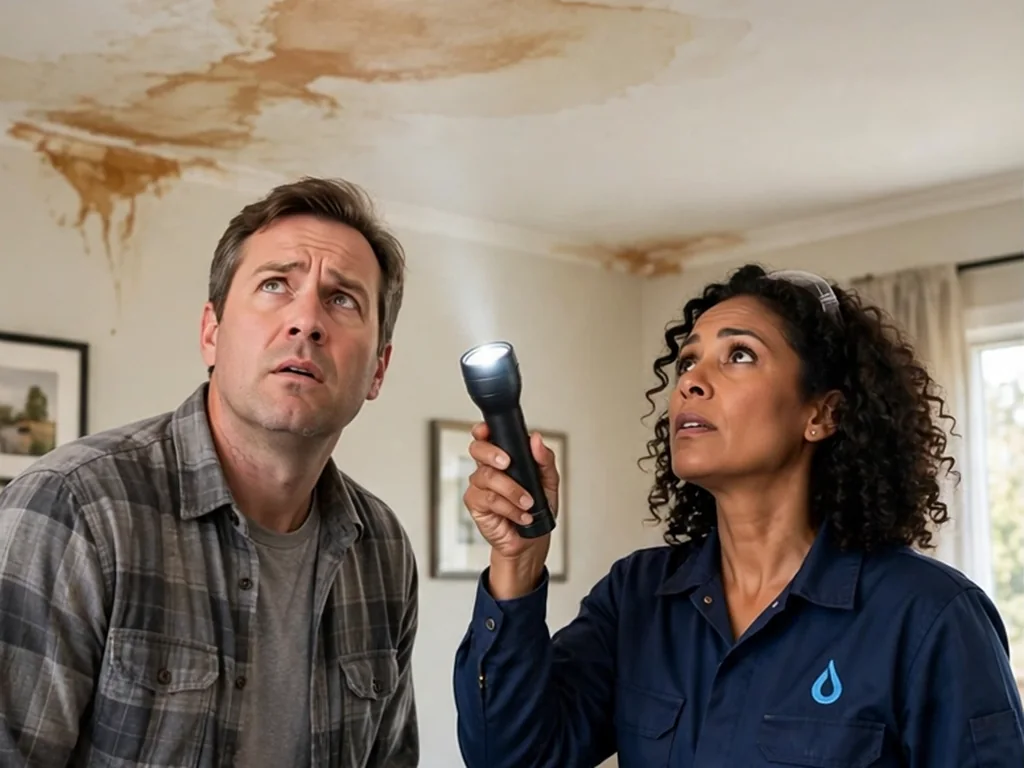
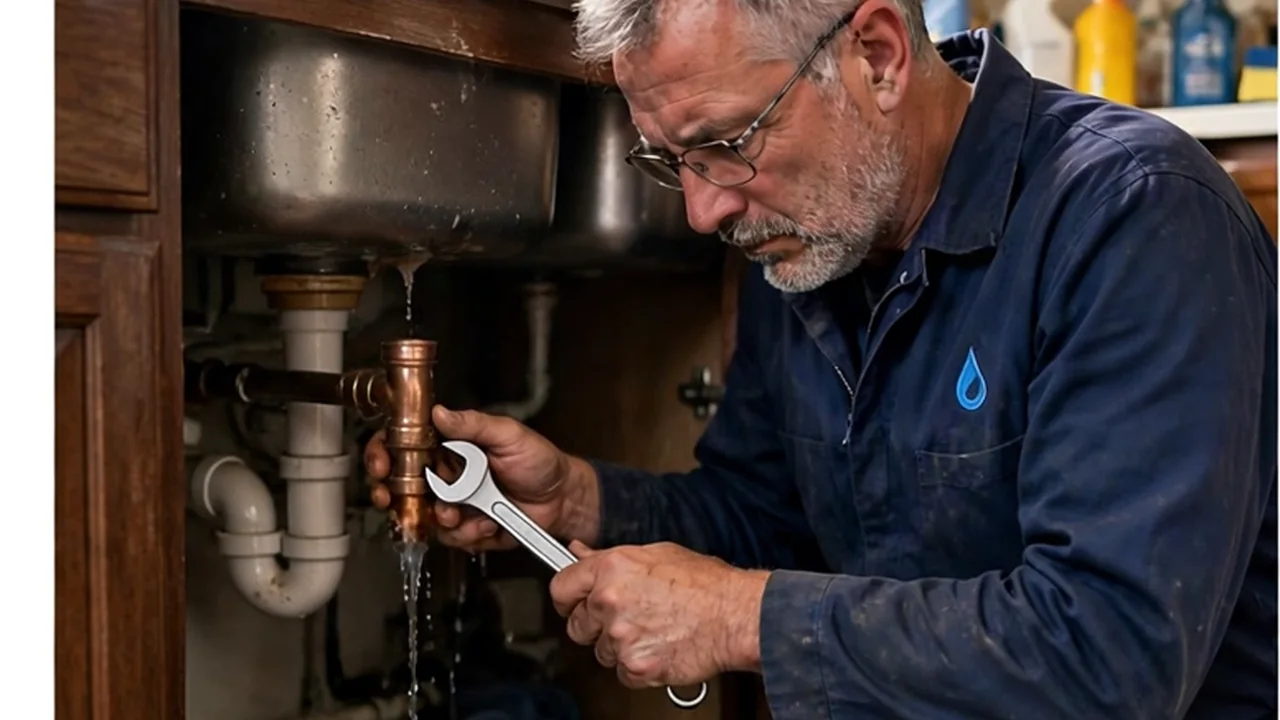
A clogged drain causes pressure disruption and can damage the pipe, which may then leak. If the clog is in the main line, wastewater can back up into the lowest drains in the home.
Warning Signs You Should Not Ignore
Slow draining, gurgling sounds, bad smells and water pooling near a floor drain are signs of a developing clog. Repeated backups after you plunge are another sign the blockage is deeper than a fixture trap, so see our guide to repair-versus-replace trade-offs.
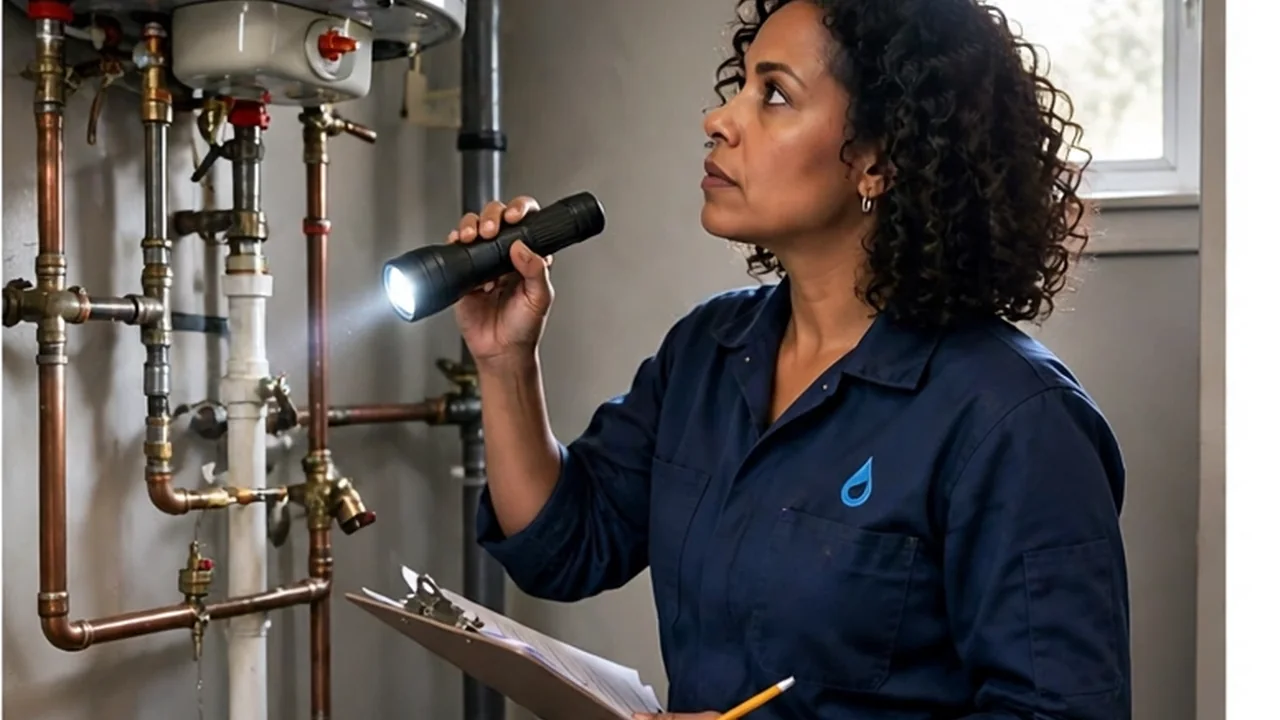
If water backs up in more than one drain at once, the clog is likely in the main sewer line and needs professional attention. A licensed plumber can inspect the line and clear it safely.
Safe DIY Care and When to Call a Plumber
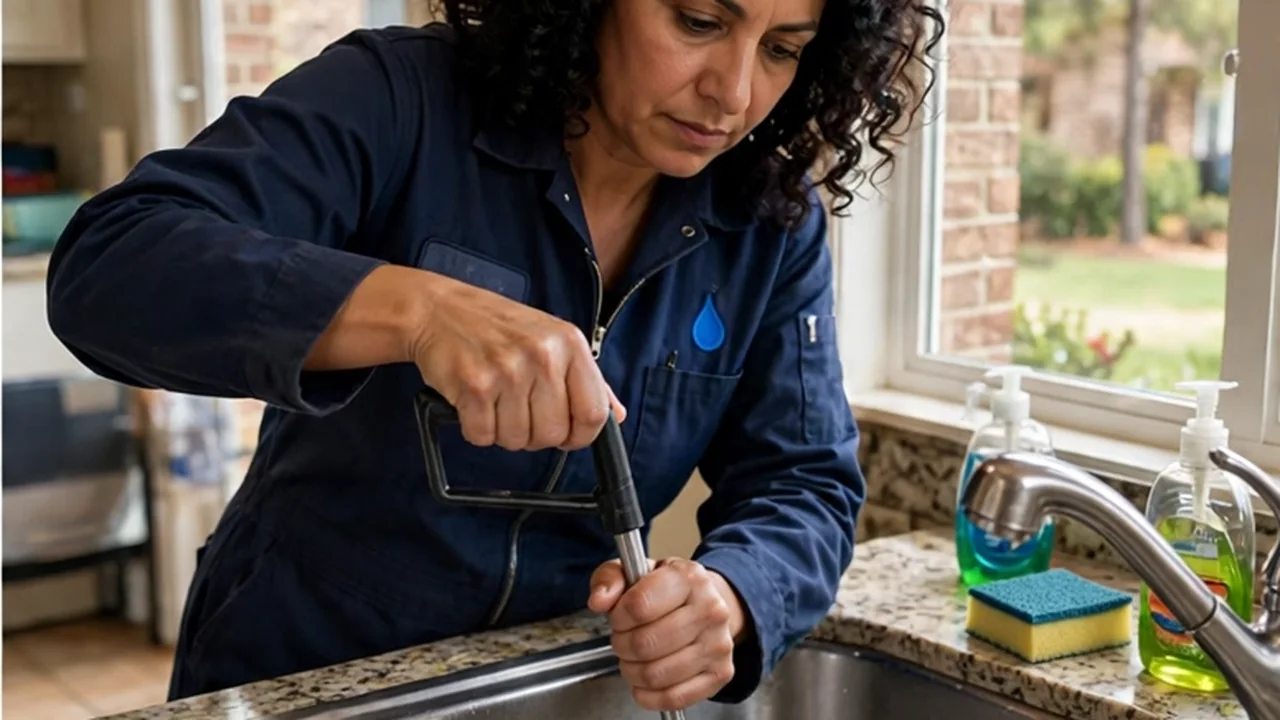
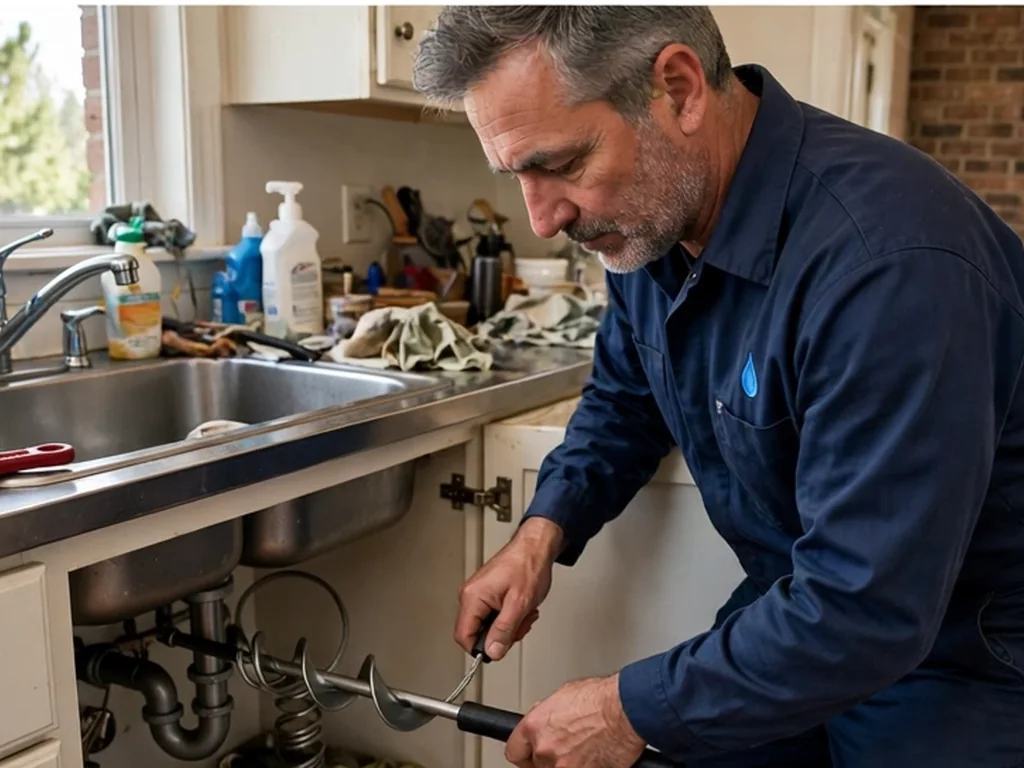
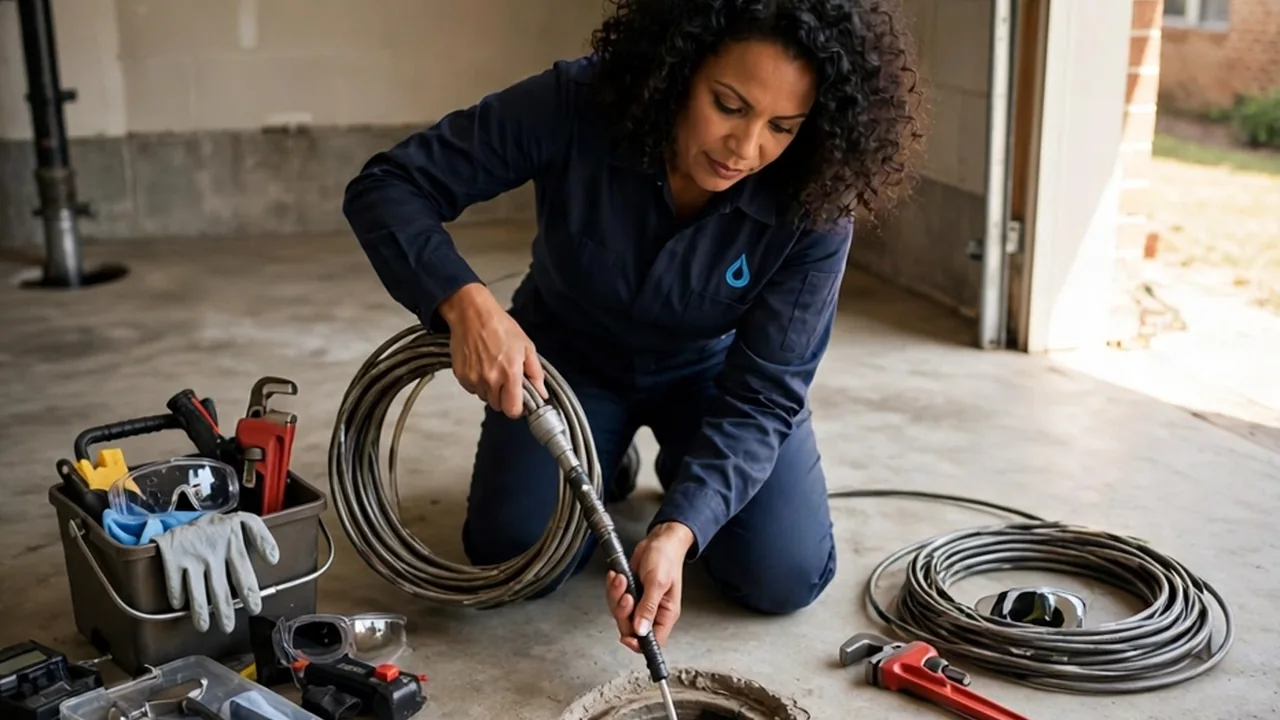
You can often clear a simple sink or tub clog with a plunger or a drain snake, but avoid chemical drain cleaners because they can damage pipes. Never force a snake past a resistance point, as you may break the cable or the pipe.
Call a plumber for recurring clogs, multiple slow drains, sewage odors or any backup that involves more than one fixture. A professional can perform drain cleaning and, if needed, a video pipe inspection to find the cause.