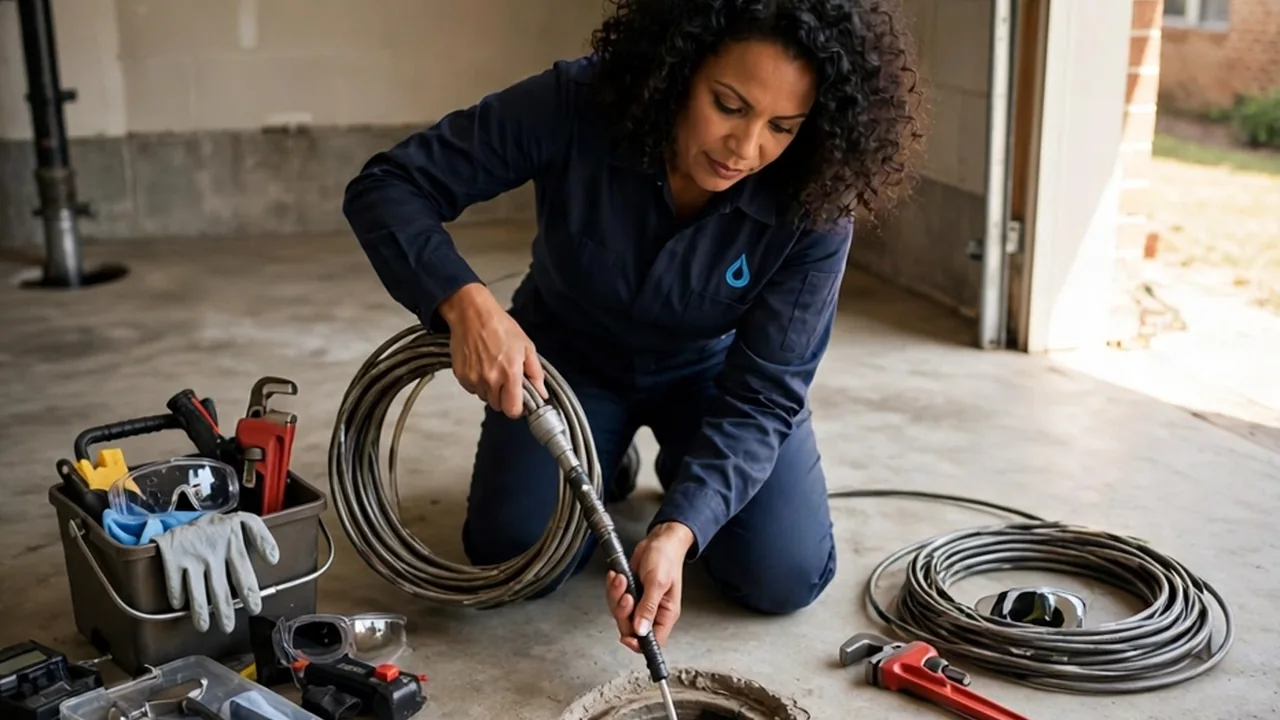
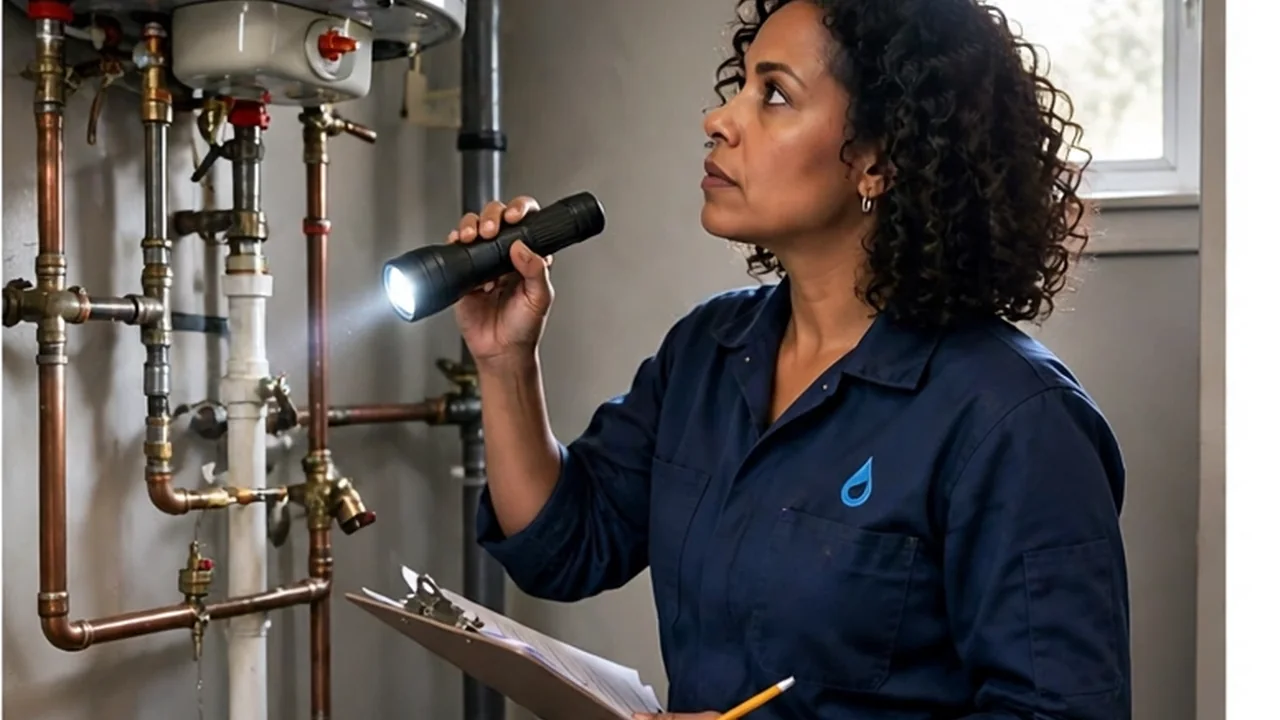
What Causes a Drain to Block
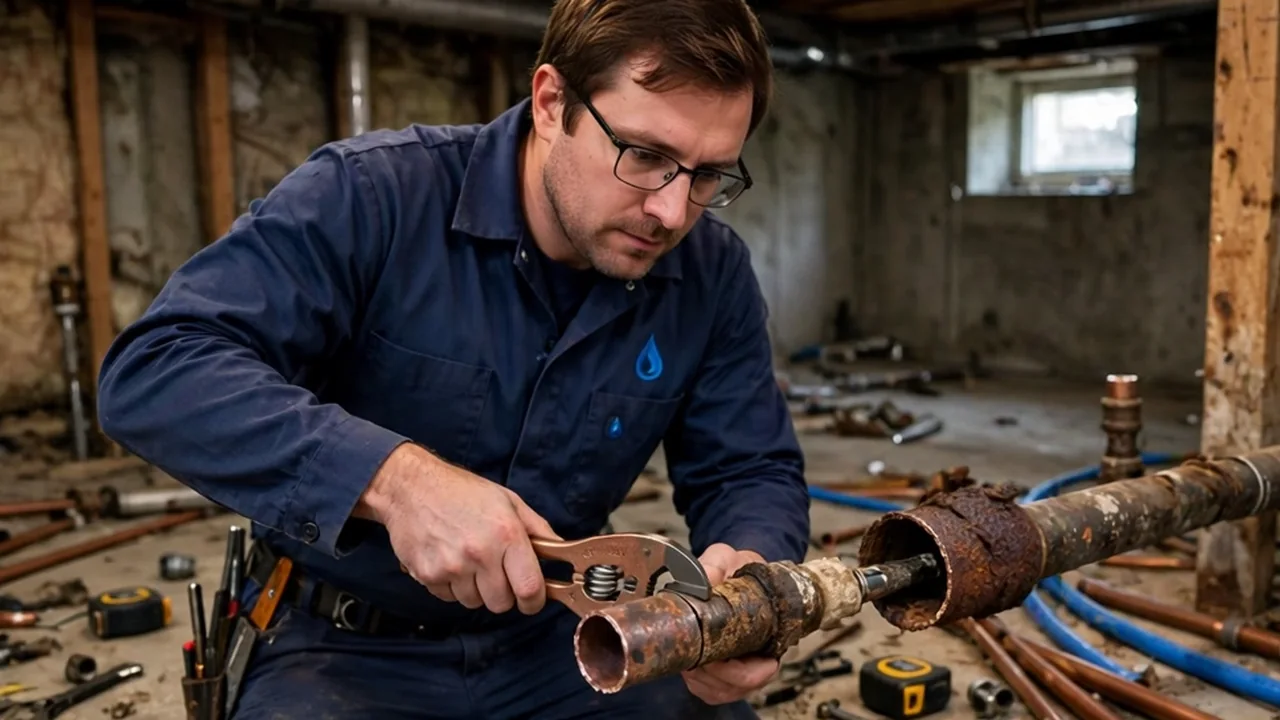
Grease, hair, soap scum and food scraps build up on the inside of a pipe and narrow the flow until it stops. Tree roots find the joints in older clay or cast iron sewer lines and grow into them. A sagging section of pipe traps water and debris, so the blockage keeps returning in the same spot.
A single slow fixture usually points to a local clog. Several fixtures backing up at once often means the main sewer line is blocked, and that needs a camera inspection to find the cause.
Warning Signs That Need Attention
Water rising in a shower or tub when you flush the toilet is a sign the main line is partly blocked. Gurgling sounds from drains, a bad smell near the floor drain and water pooling around a floor drain all point the same way.
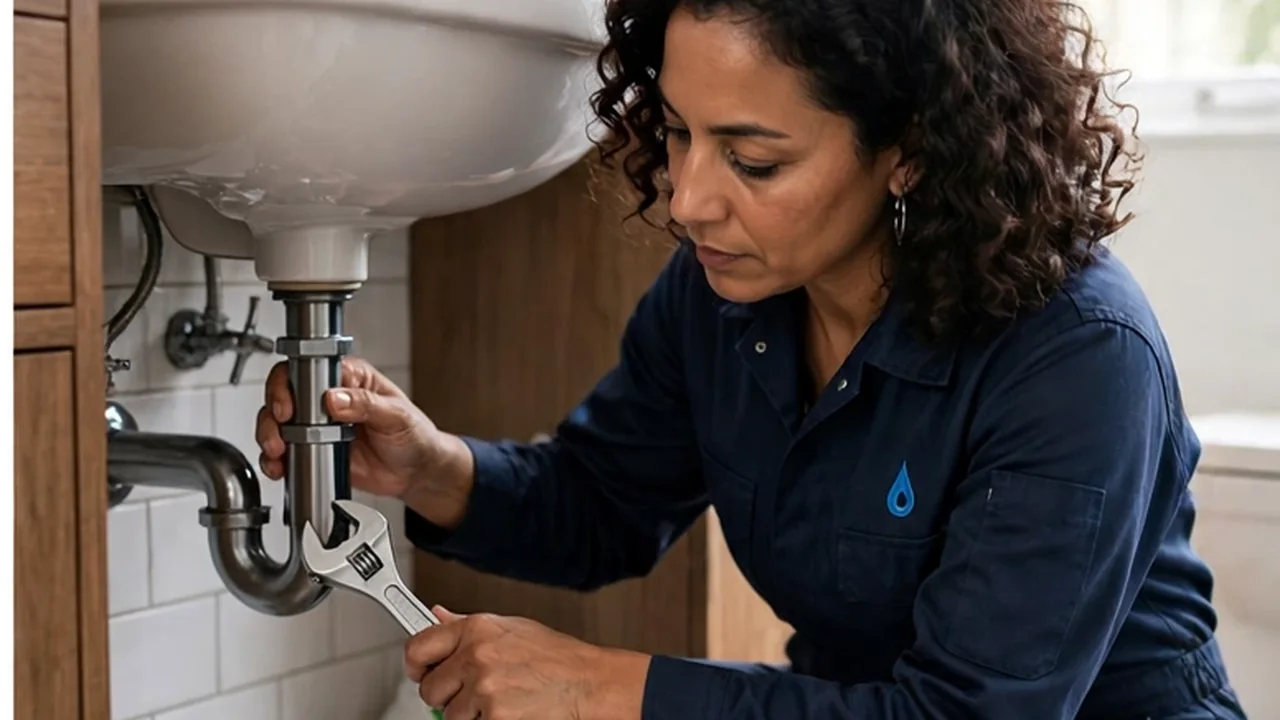
One slow sink is often a local clog you can clear. Repeated blockages in the same drain, or backups that affect more than one fixture, mean the pipe itself needs checking, and sink drain replacement may be the answer. A guide to drain problems that signal a deeper sewer line failure explains the difference.
Safe Steps Before a Plumber Arrives
Stop using the affected fixtures so you do not add more water to a blocked line. If water is backing up near a floor drain, turn off the water supply to the house to limit the mess. Do not pour chemical drain cleaner into a fully blocked drain; it can sit in the pipe and damage it.
A plunger works on a single sink or toilet with a simple clog. Do not open a cleanout or a sewer line yourself. Sewer work needs a licensed plumber, and the gas and drain lines in your home are not a DIY job.