What Causes Pipes to Fail in Newnan Homes
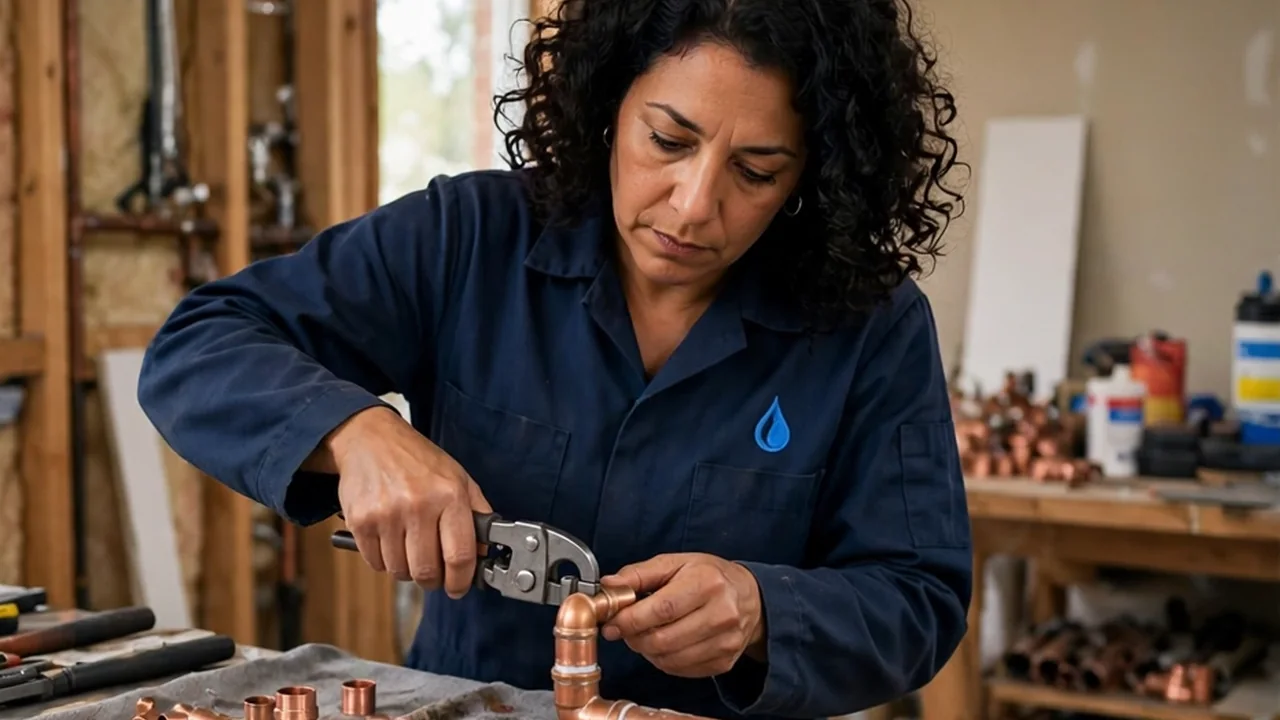
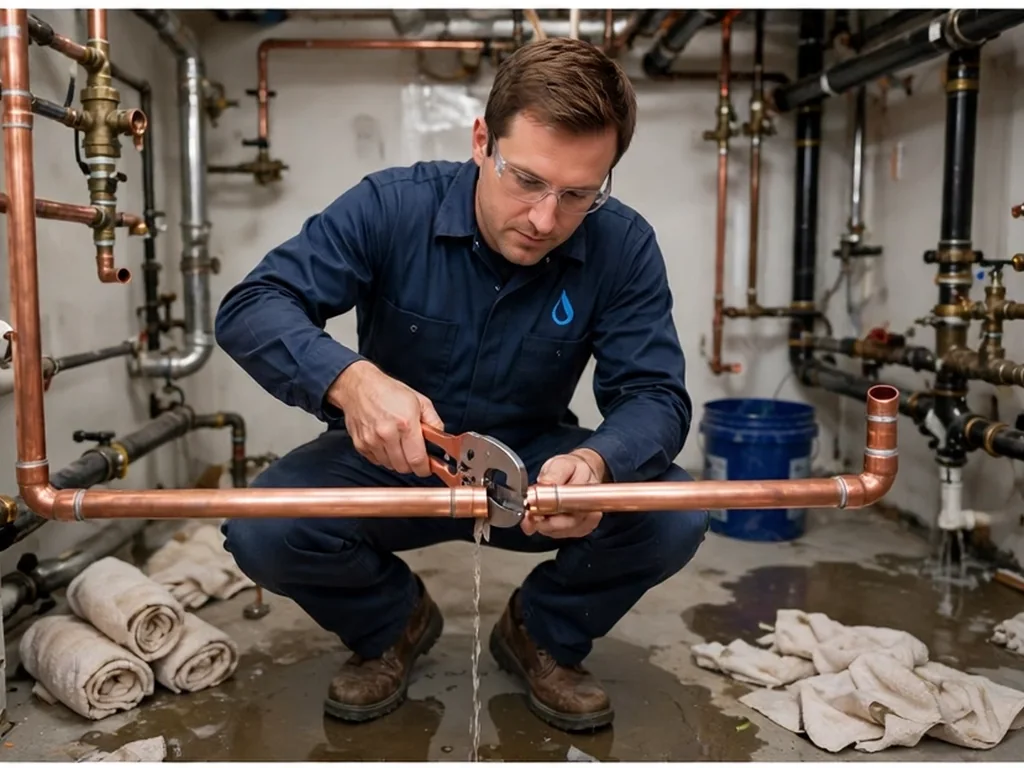
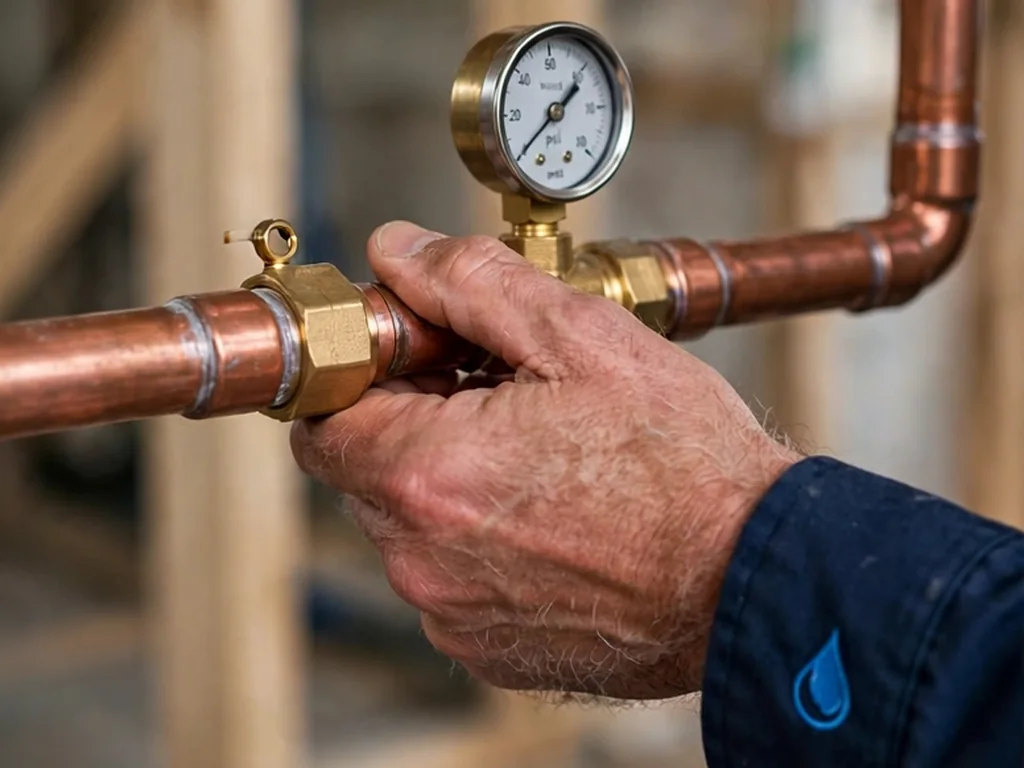
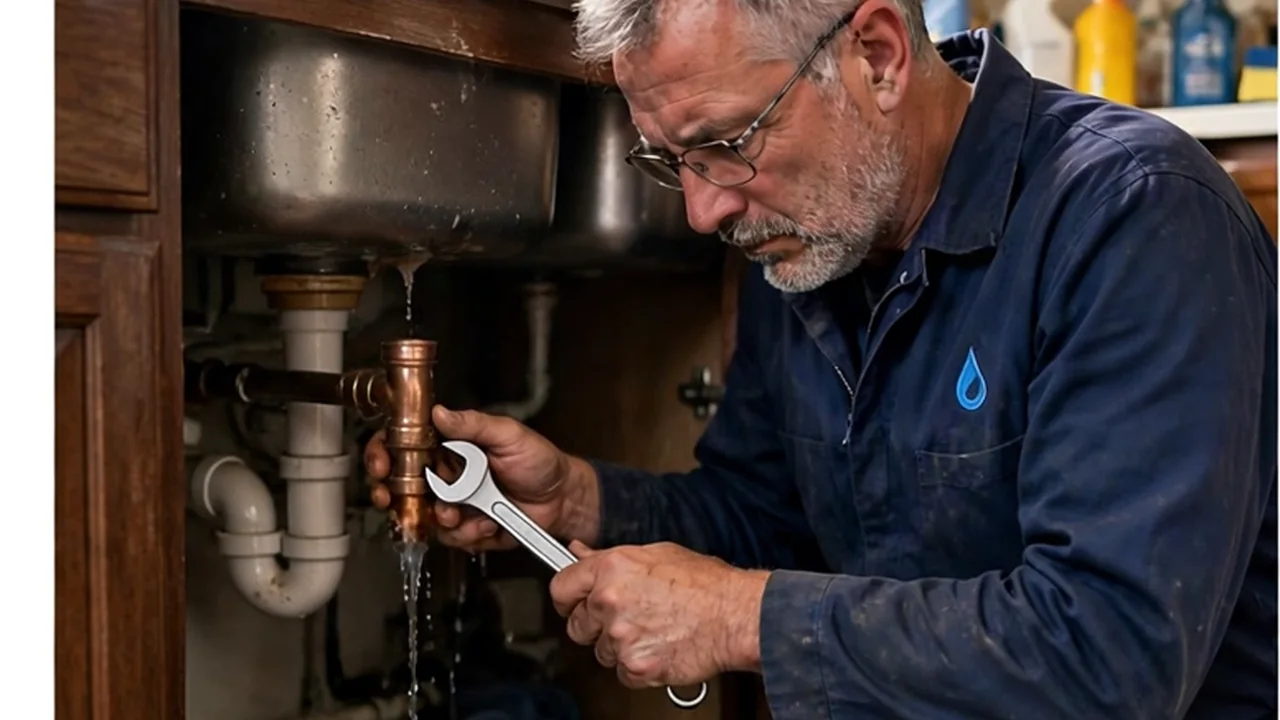
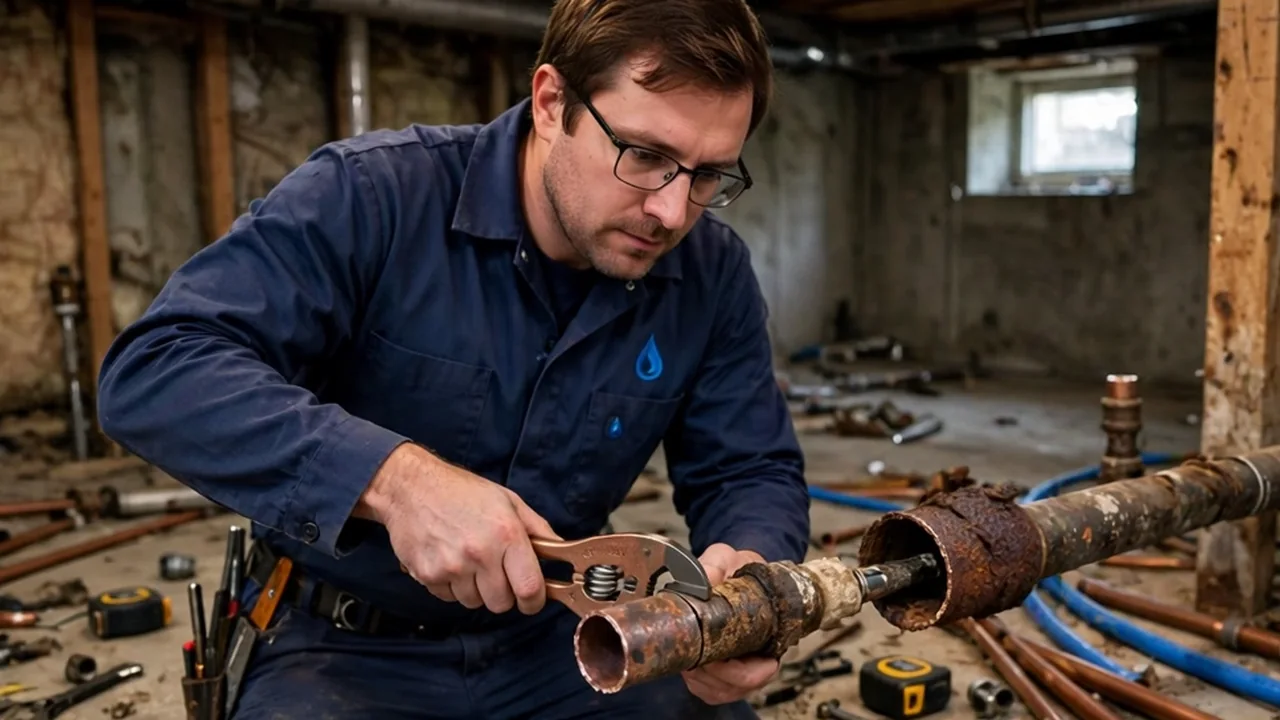
Pipe failures usually come from pressure, age, soil movement or water chemistry. In Newnan and Coweta County, older galvanized and copper lines can thin from the inside, while shifting clay soils stress buried lines and joints. High water pressure wears fittings and can turn a small drip into a burst.
A pinhole leak, a drop in pressure or a damp patch on a wall or floor is the pipe telling you it has lost integrity. Matching the symptom to the likely cause is the first step before any repair. When you're ready, get in touch with us.
Warning Signs You Should Not Ignore
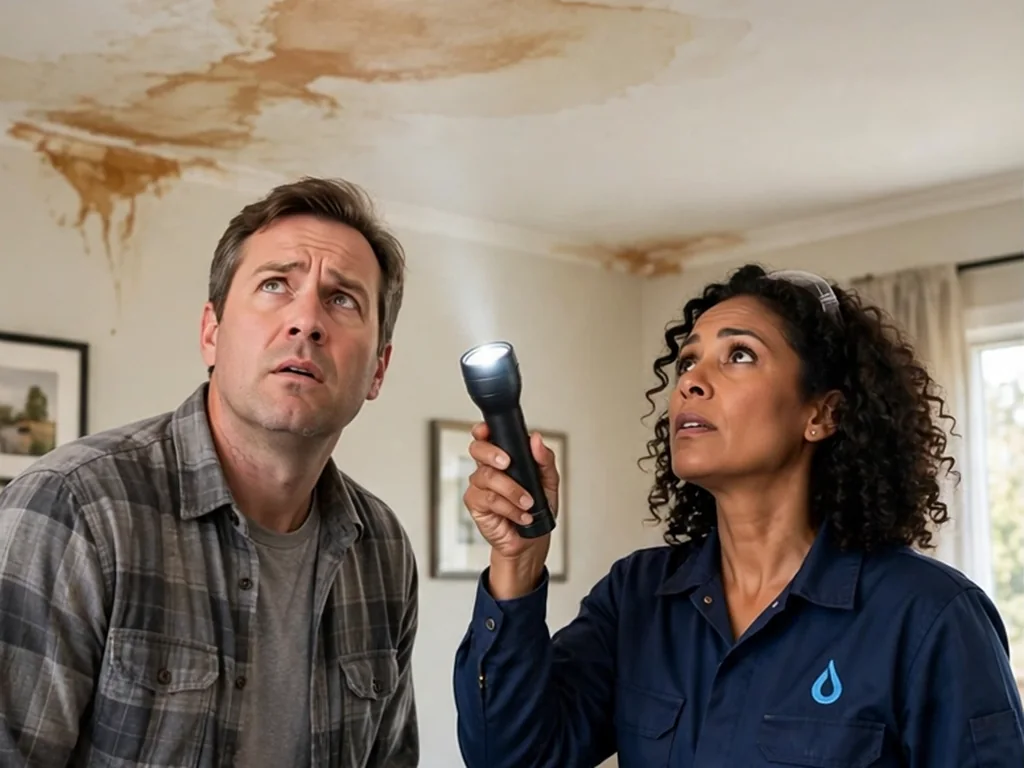
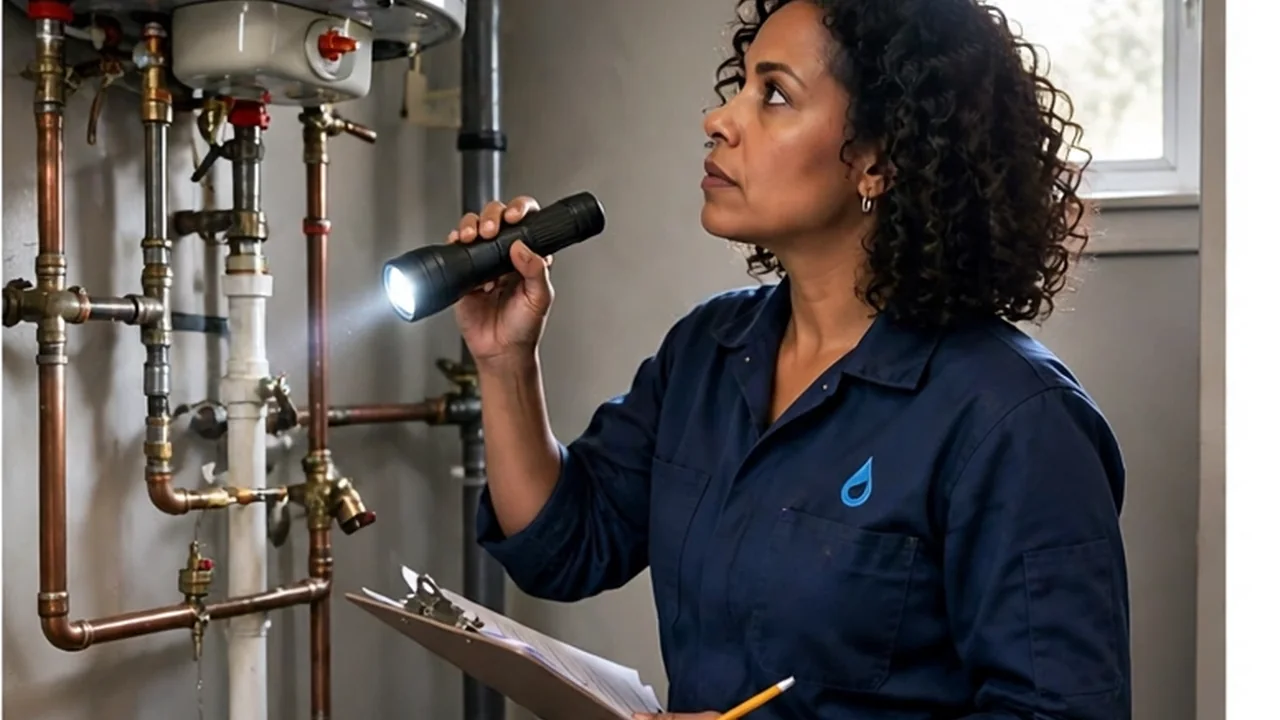
Water where it should not be is the clearest sign: a stain spreading on a ceiling, a floor that feels soft, or a meter that keeps turning with every fixture off. Metallic or musty smells and a sudden jump in the water bill point to a leak behind a wall or under a slab.
Low pressure at one fixture often means a clogged or failing branch line, while low pressure everywhere suggests the main. Either way, the sooner it is looked at, the less chance the water damages framing, flooring or cabinets.
What You Can Safely Do Before Help Arrives
Shut off the water at the main valve if a pipe is actively leaking, and move furniture or rugs away from the wet area. Do not open walls or dig around a buried line yourself; you can hit a gas line, electrical conduit or the very pipe you are trying to save.
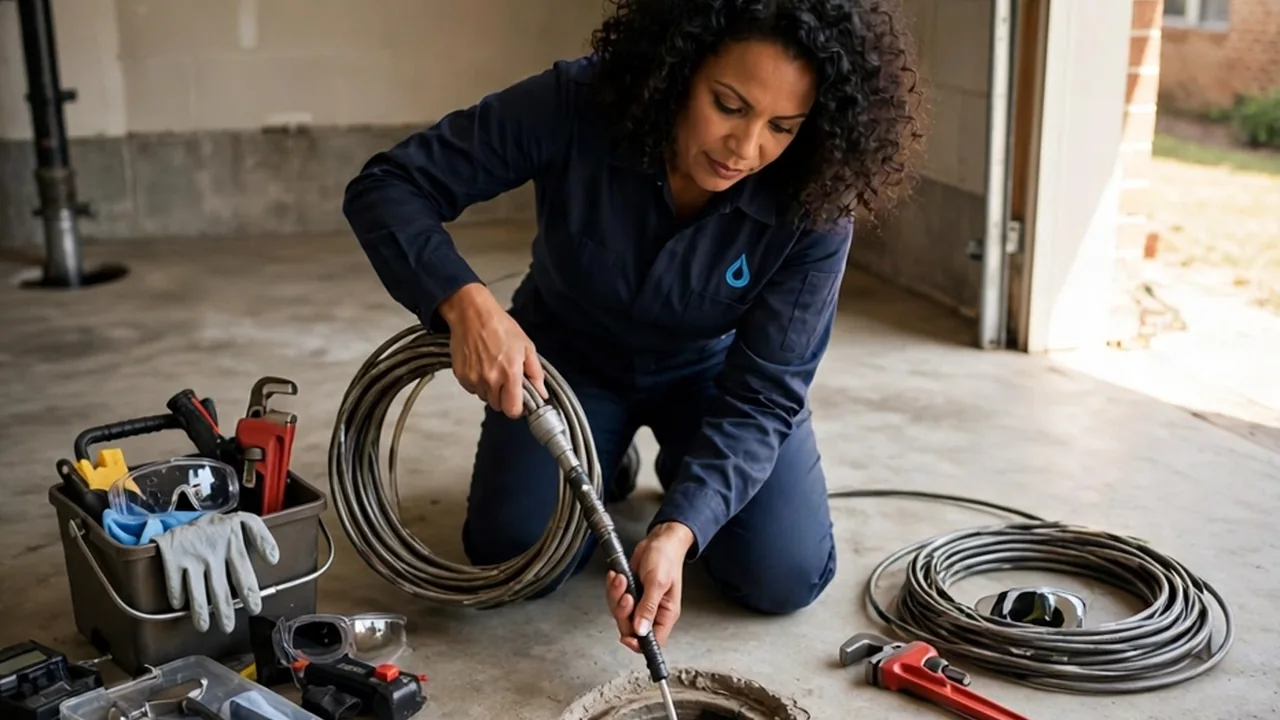
For any repair involving gas piping or a sewer line, stop and call a licensed plumber. Those jobs carry real safety and code requirements, and a licensed master plumber on staff is the right person to handle them.