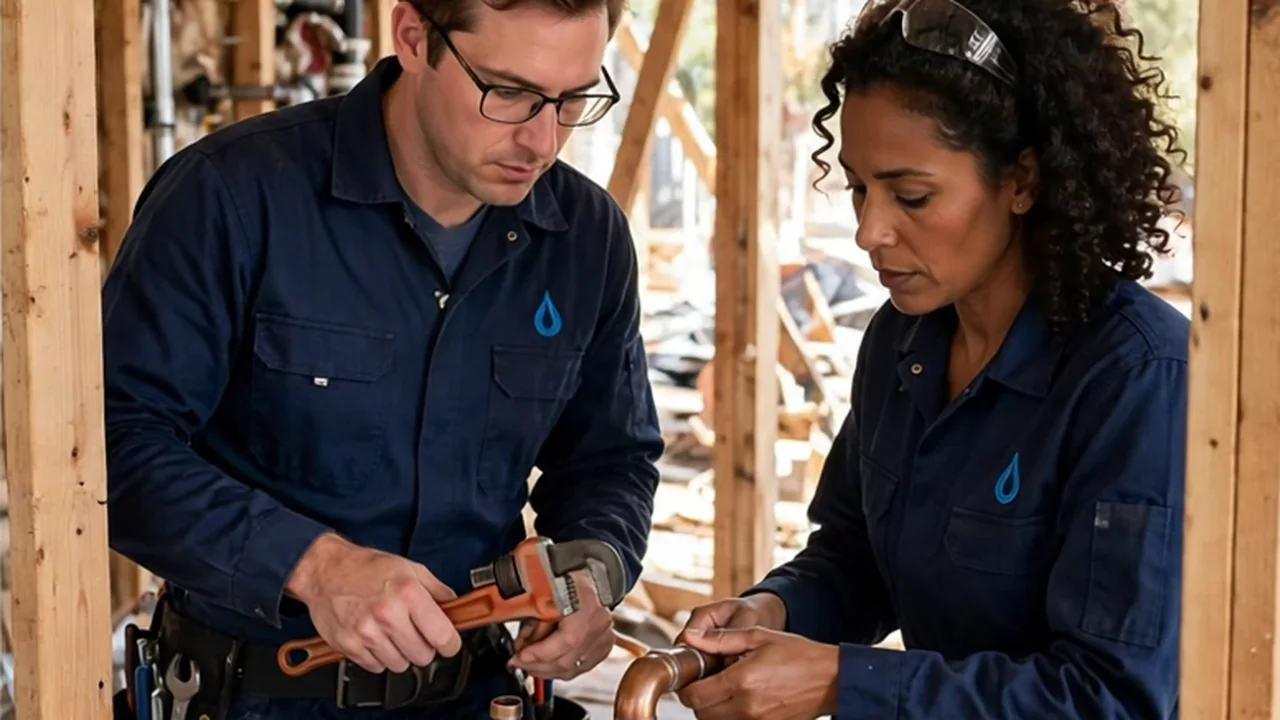
Gas line installation is regulated work in Georgia, and a licensed master plumber is who signs off on it. A line that is undersized, poorly joined or untested can leak at a fitting you cannot see, and gas smell is the warning you get.
Do not tighten, cap or reroute a gas line yourself. If you smell gas, leave the building and call your gas utility first, then call a plumber.
What a gas line installation actually includes
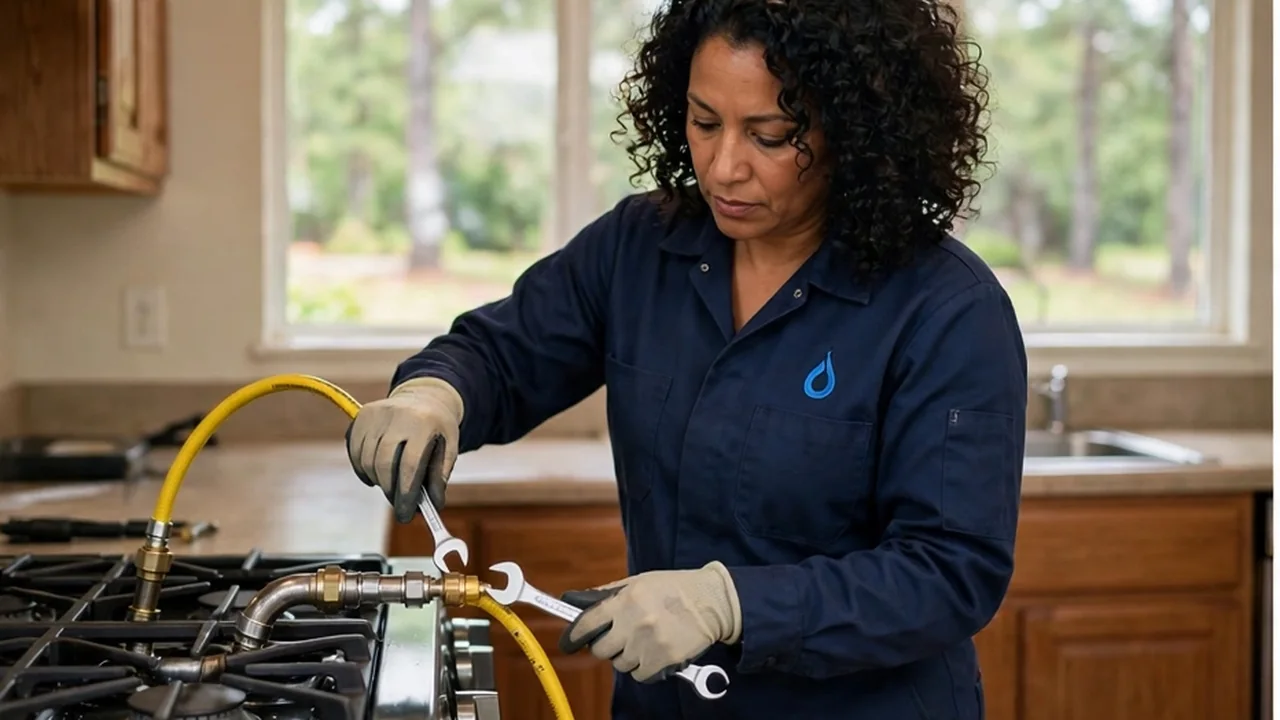
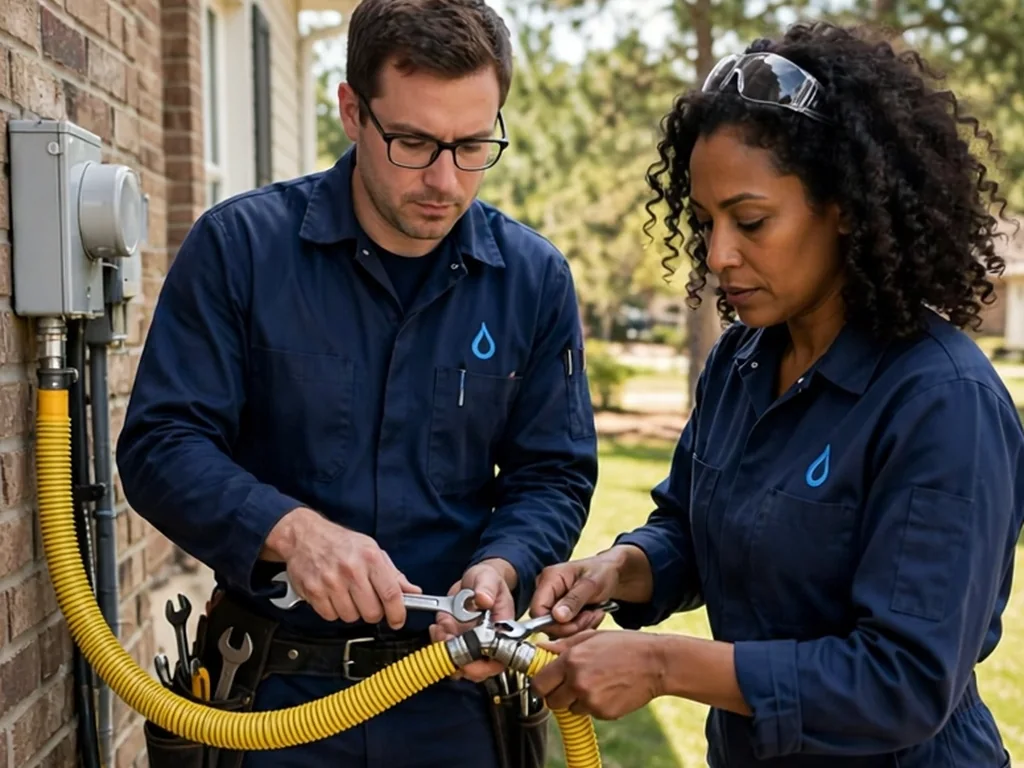
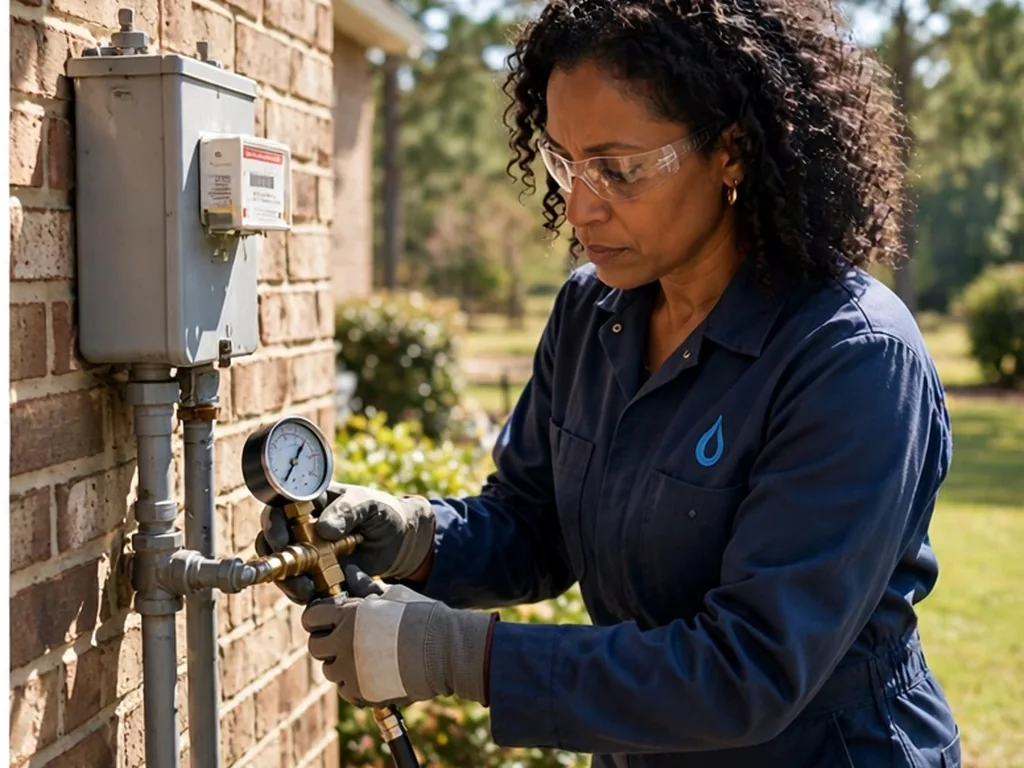
A proper installation runs new pipe from the meter or supply point to the appliance, sized for the load, with a shutoff valve at the appliance and a pressure test before the gas is turned on. Materials are usually black steel, corrugated stainless or copper, and the choice depends on the run and the appliance. We also offer faucet installation.
Ask what is included: the pipe, fittings, valve, test and permit. A quote that names only the pipe leaves the rest to you.
When a gas line is repaired rather than replaced
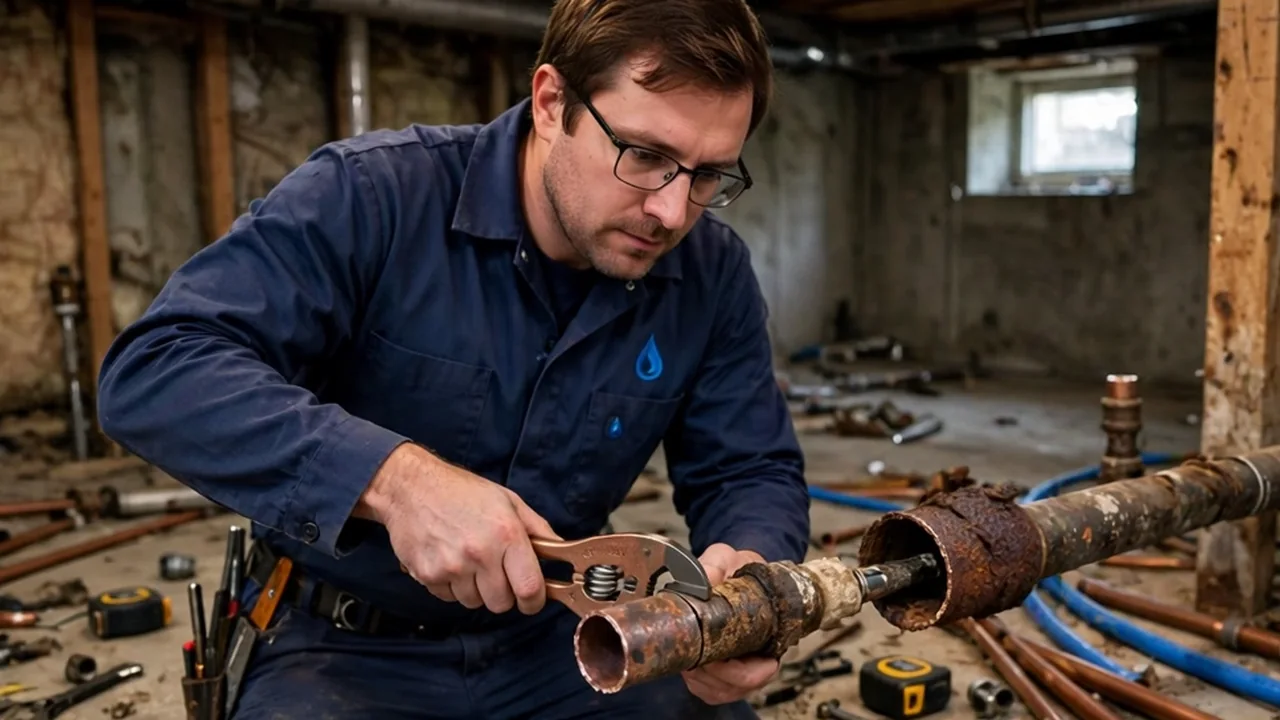
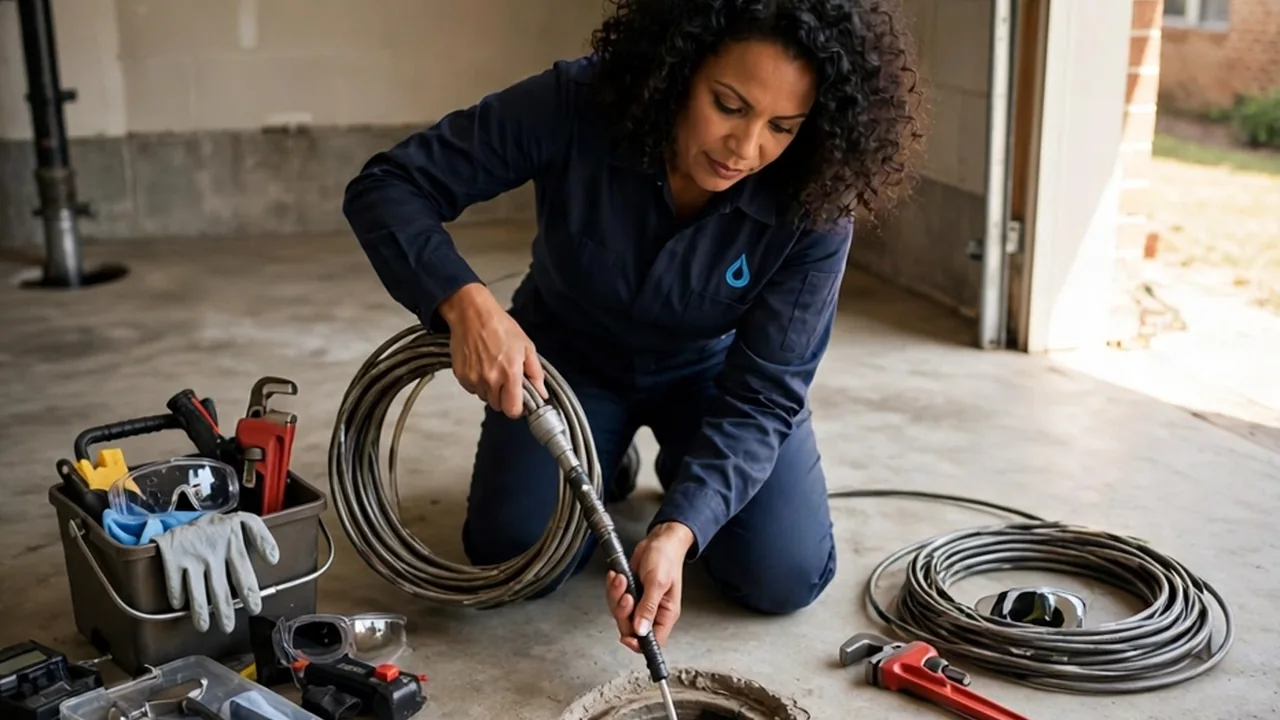
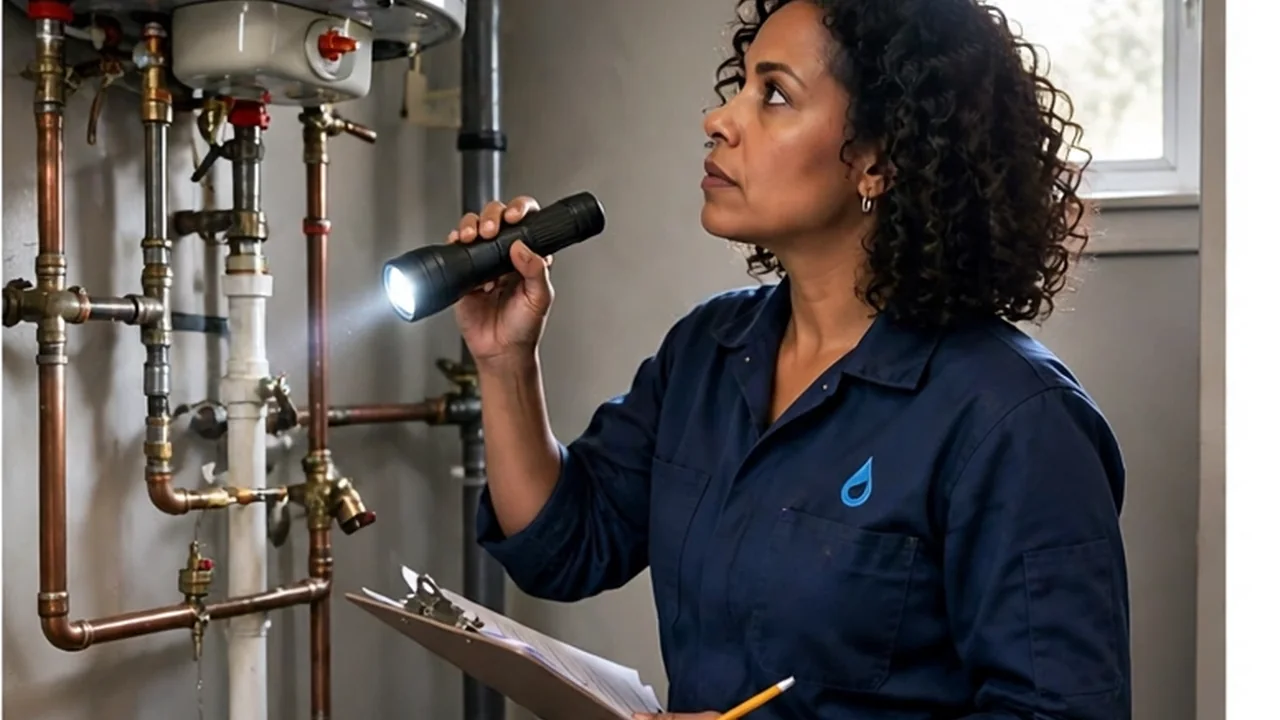
A single leaking joint or a damaged section can often be repaired, while a line that is undersized, corroded through or run to the wrong place is usually replaced. Age and material decide most of it. Plumber Newnan performs leak detection and can camera-inspect where a line is buried, so the decision is based on what the line looks like, not a guess.