Common Causes of Shower Leaks and Clogs
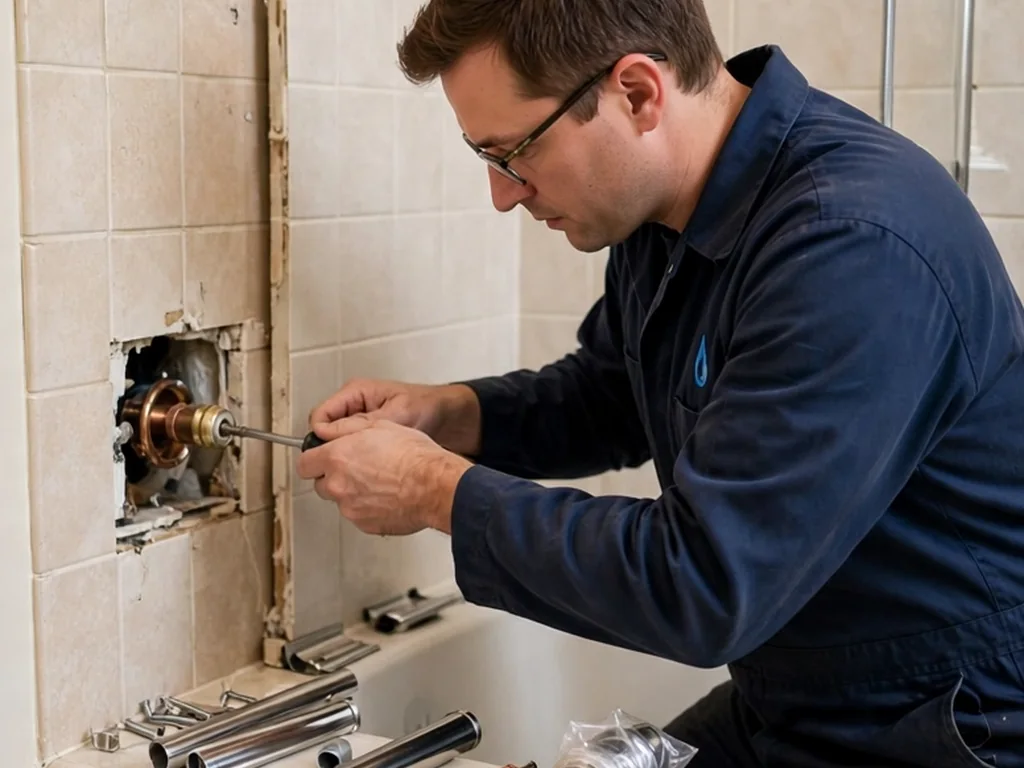
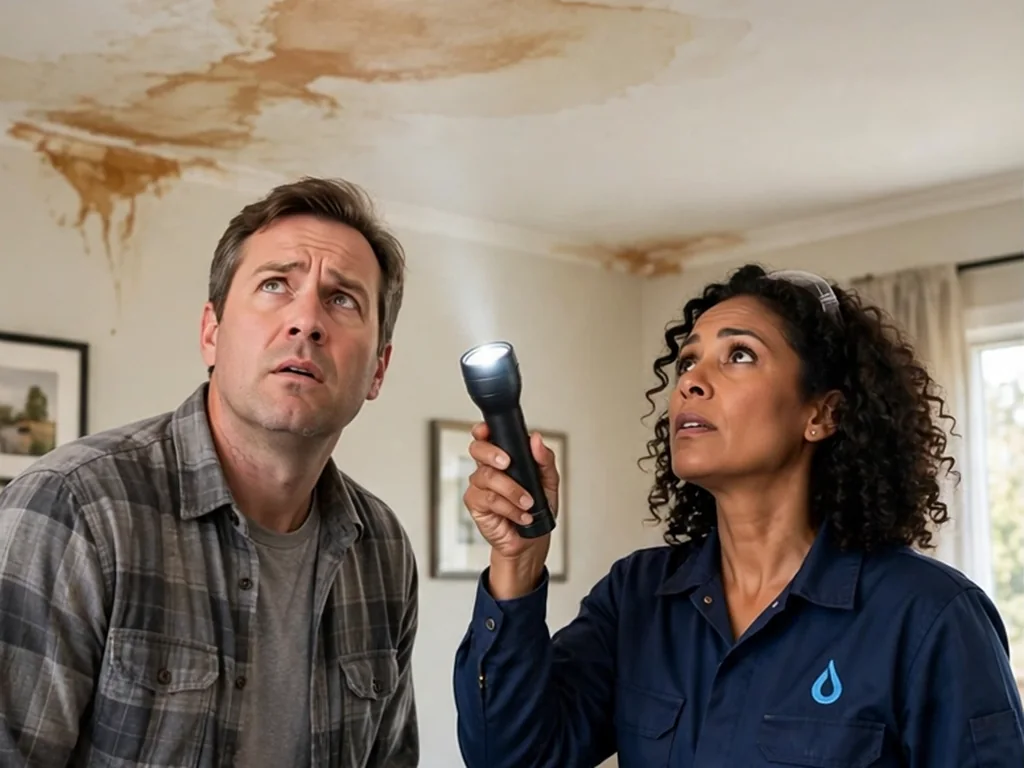
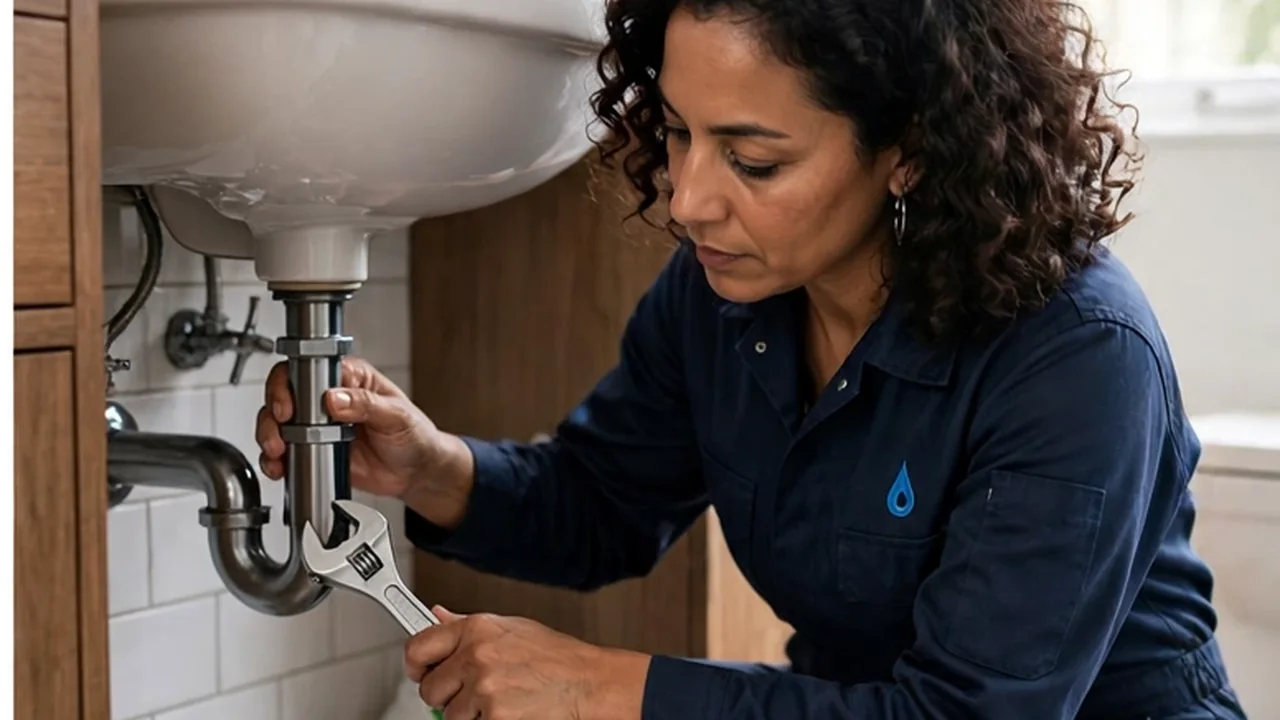
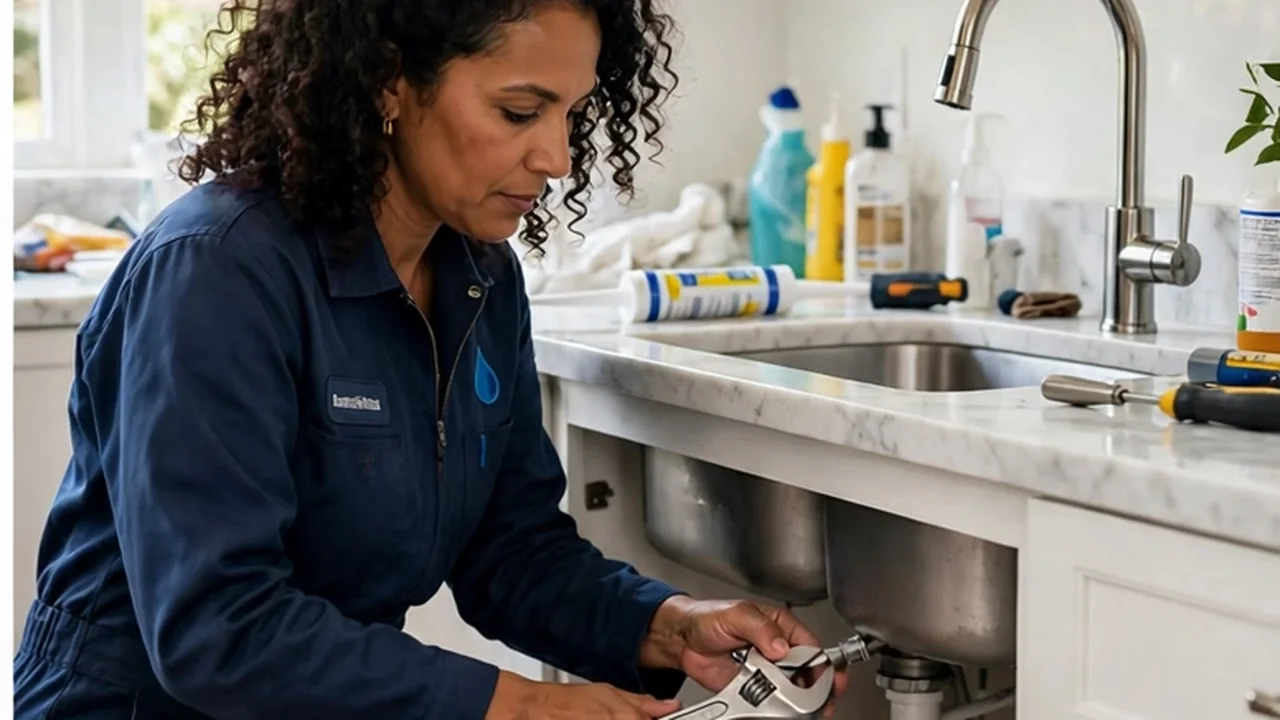
Shower leaks usually come from a failed cartridge, a worn valve seat, or a cracked drain seal, while slow drains are most often hair and soap scum caught in the trap or a blocked vent. Water that appears on the ceiling below points to a pan or drain leak rather than the fixture itself, which is why we also provide water leak repair.
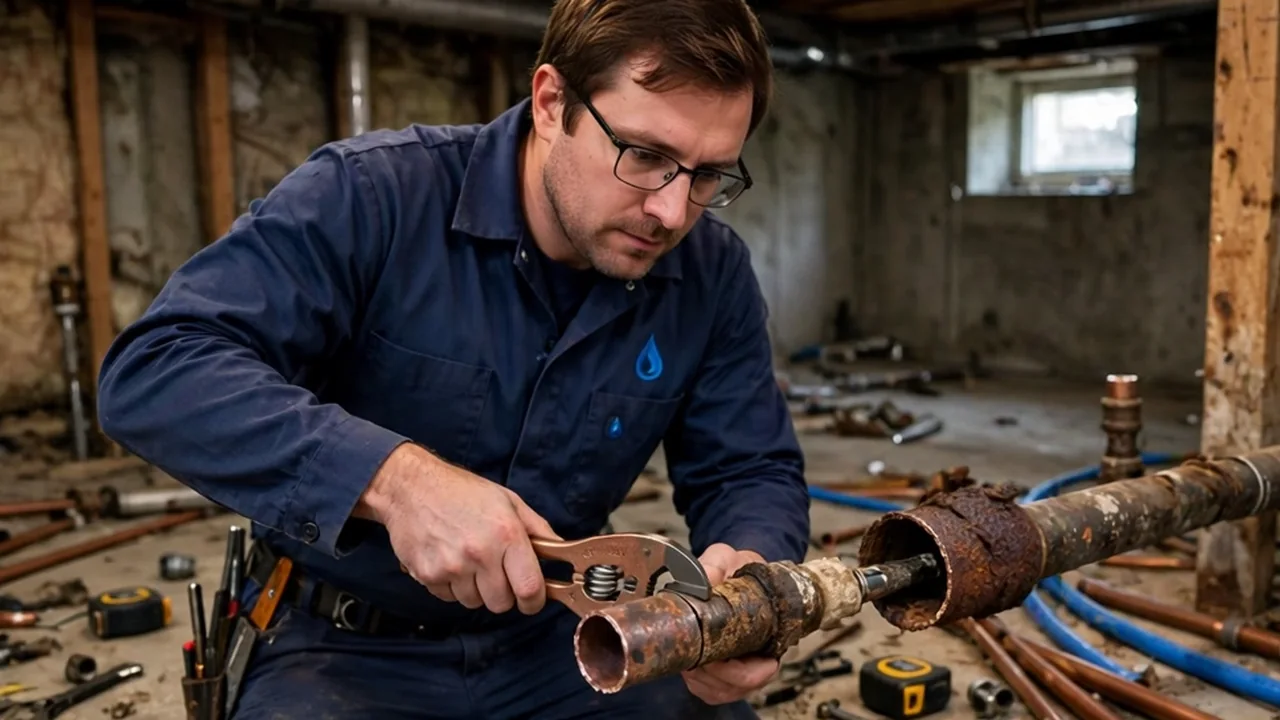
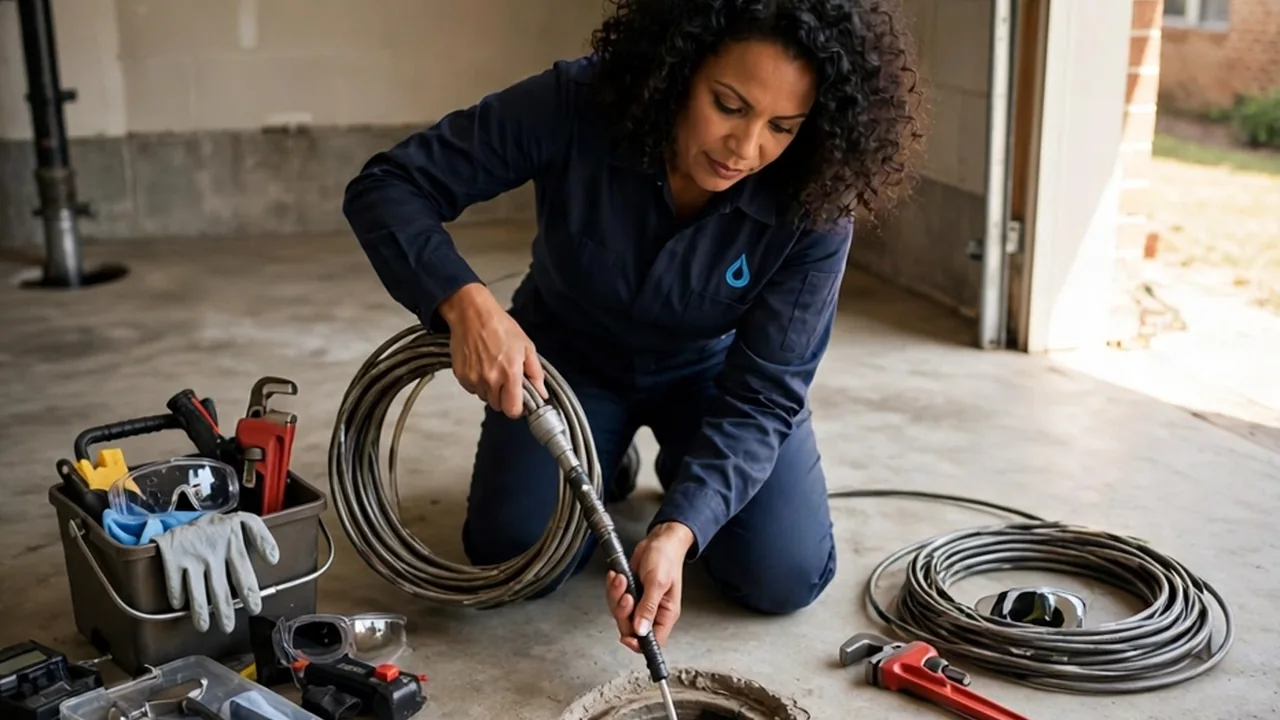
Clogs that return after clearing often mean the blockage sits deeper in the branch line. A camera inspection shows where the pipe has cracked or sagged before we recommend a repair.
Warning Signs You Should Not Ignore
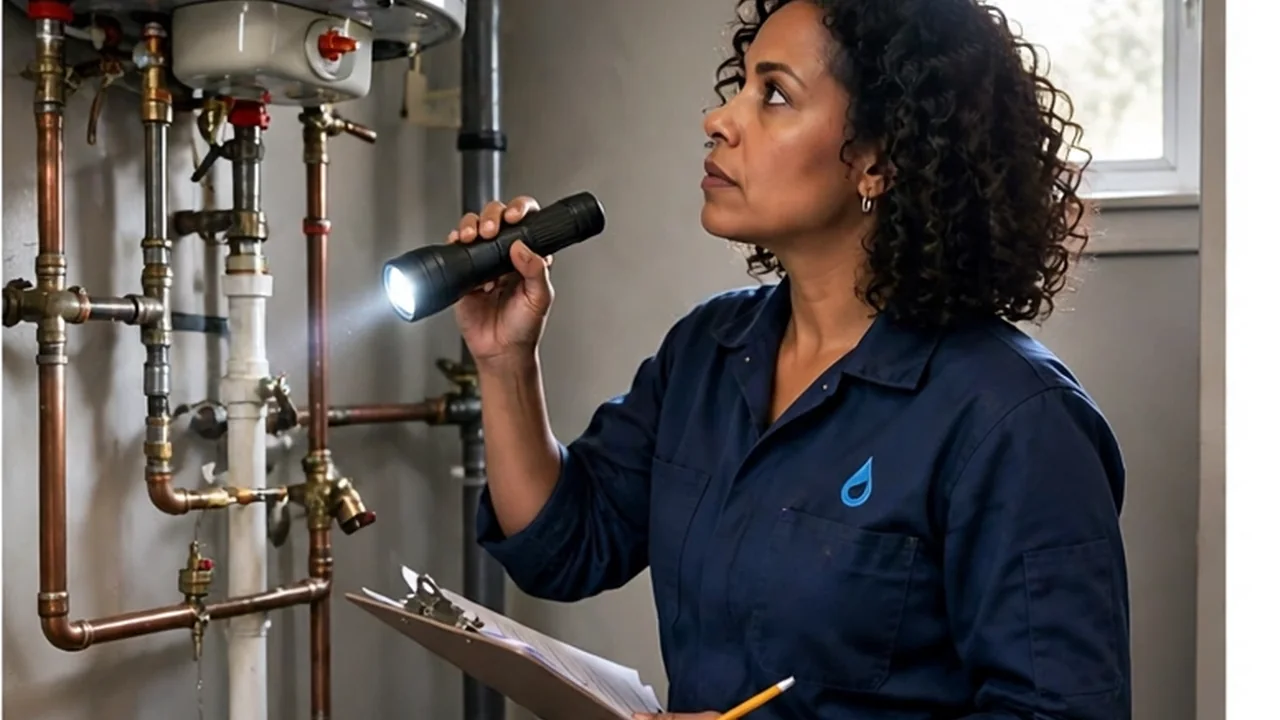
Water staining on the ceiling below the shower, a loose tile floor, or a musty smell in the room are signs water is escaping behind the walls or under the pan. These problems get worse with every use.
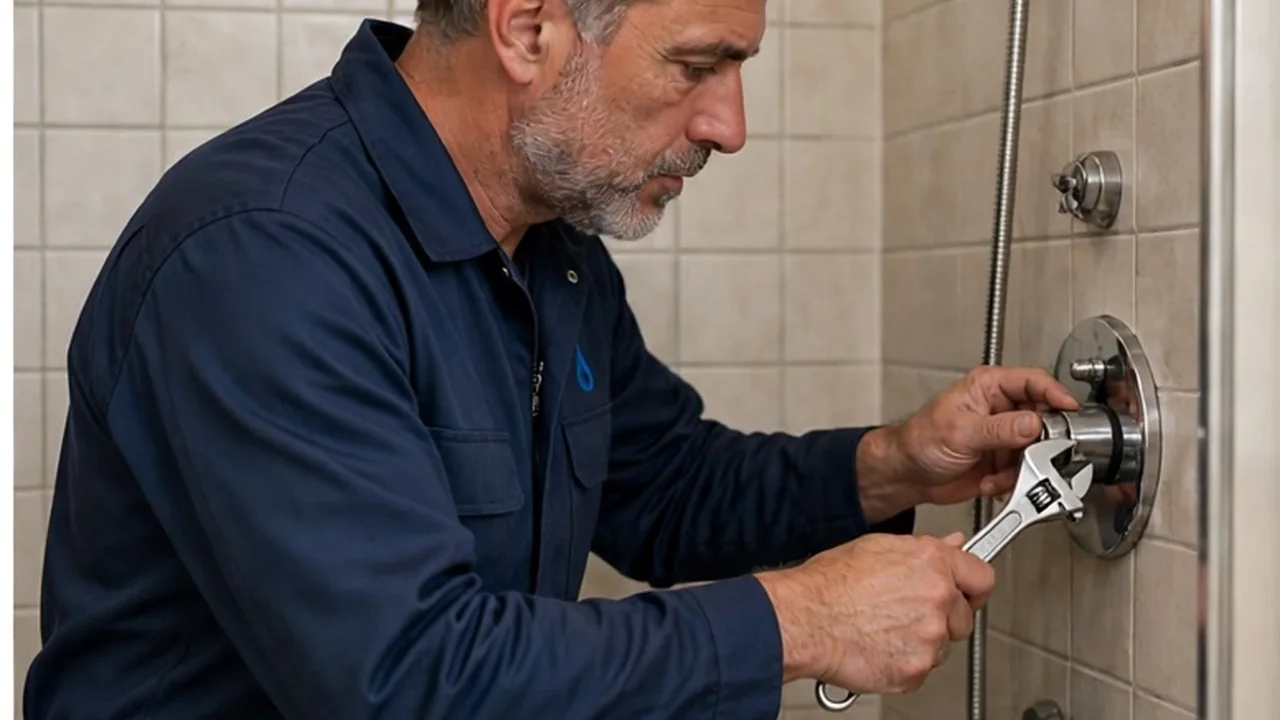
A shower valve that drips when closed wastes water and can damage the trim. If the drip continues after you tighten the handle, the cartridge or seat needs replacing.
Safe Steps Before the Plumber Arrives
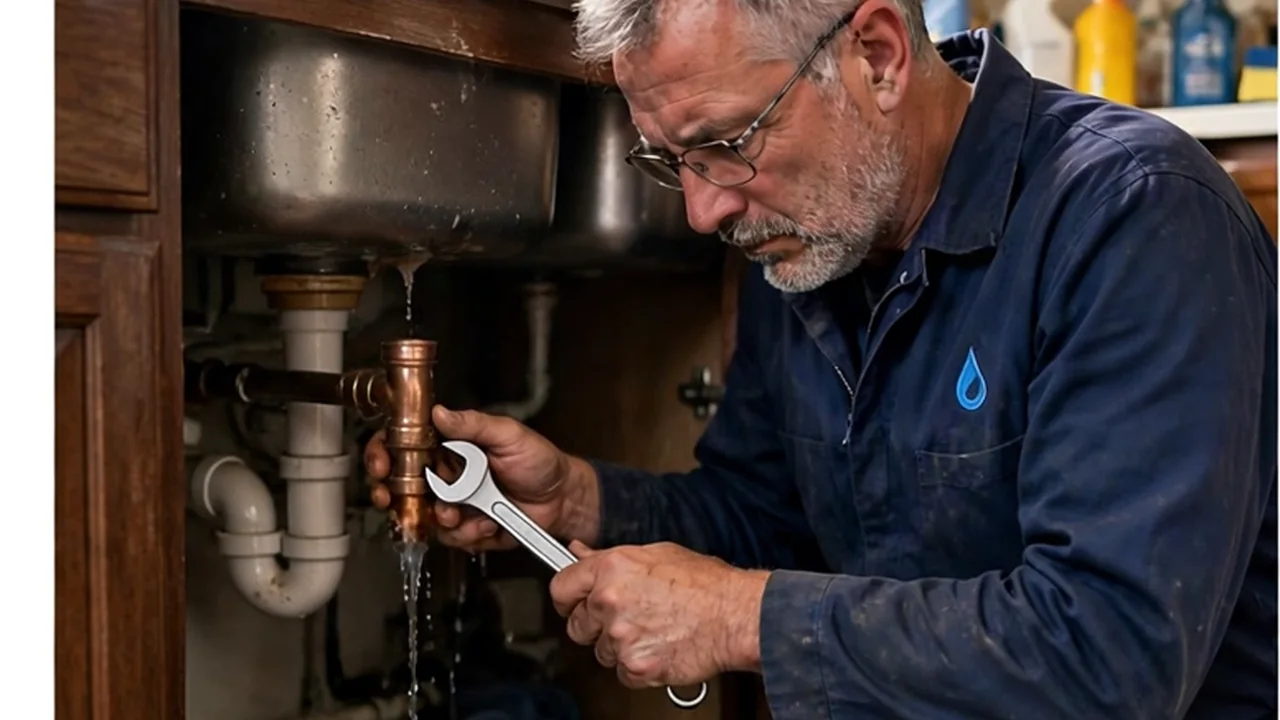
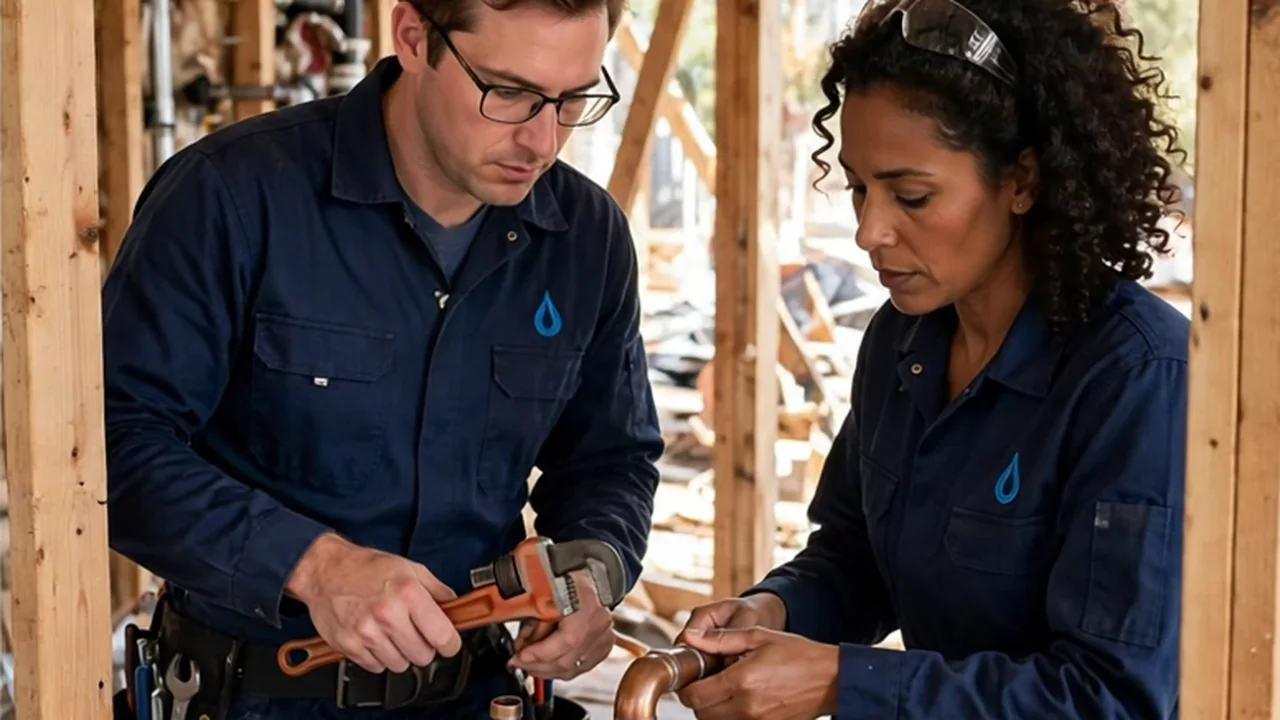
If water is actively leaking, shut off the fixture at the valve or the main supply, then clear the area so the plumber can reach the shower. Do not open the wall or remove the valve cartridge yourself, because that can release more water.
For a slow drain, stop using the shower until it is cleared. Chemical drain cleaners can damage older pipes and make the repair harder, so it is better to wait for a professional.