How Water Heaters Fail and What Maintenance Prevents
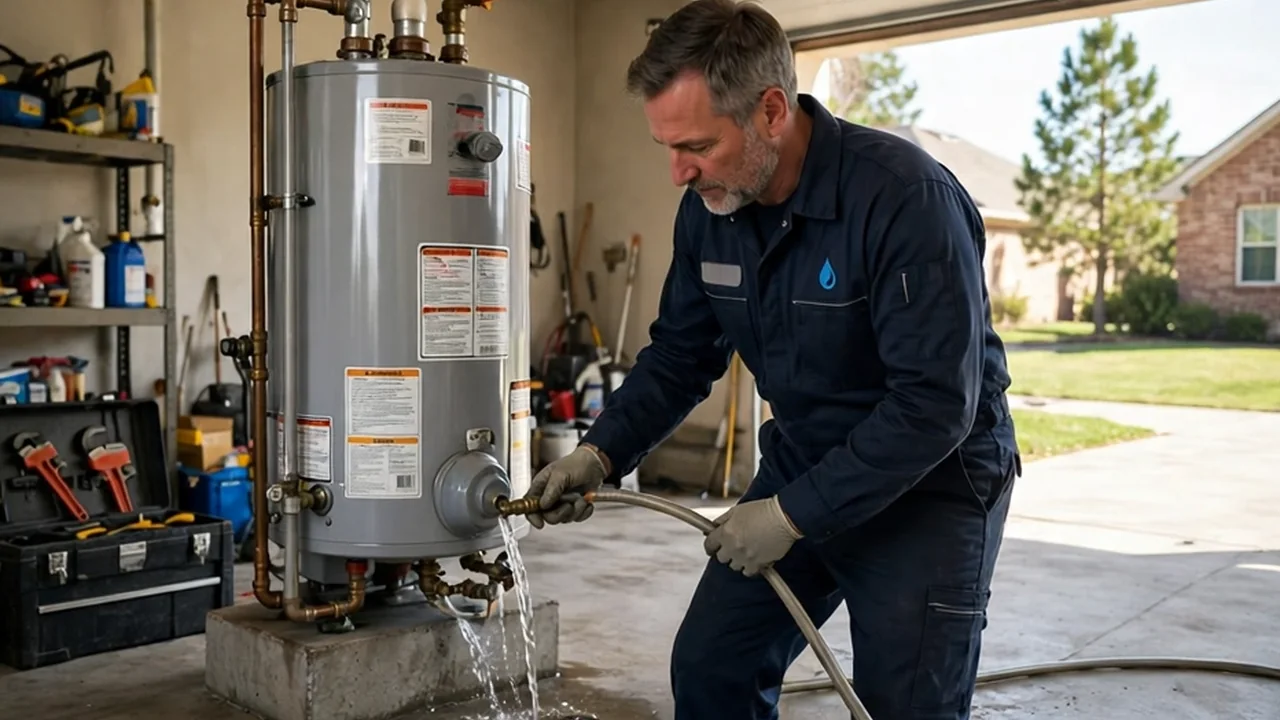
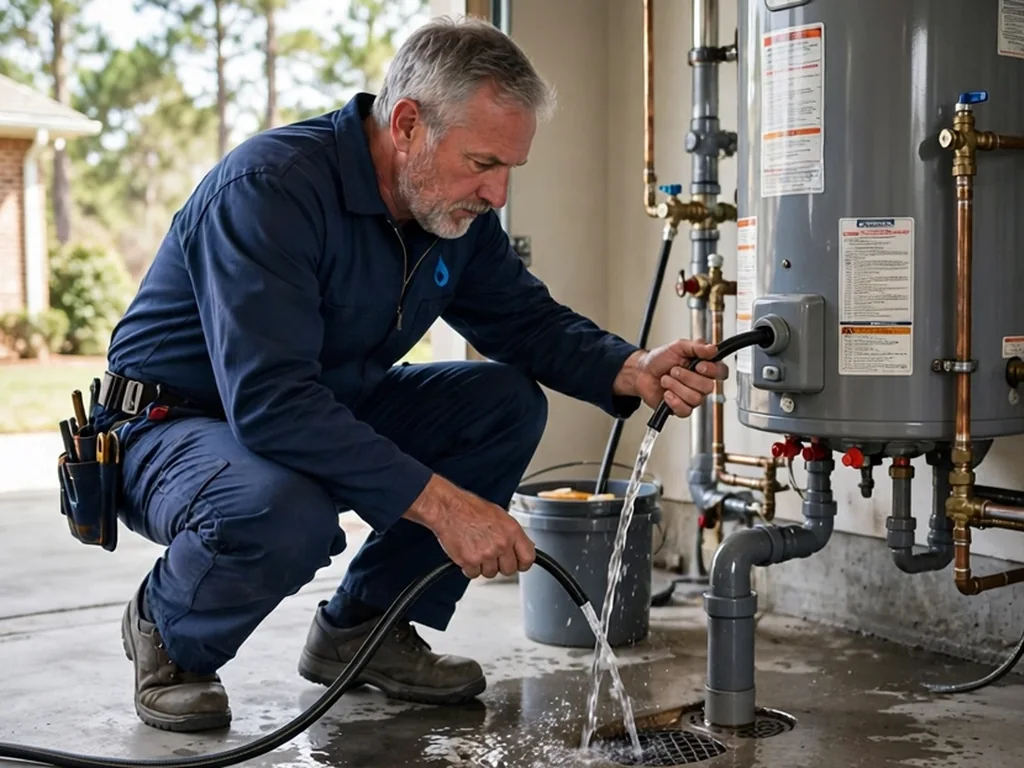
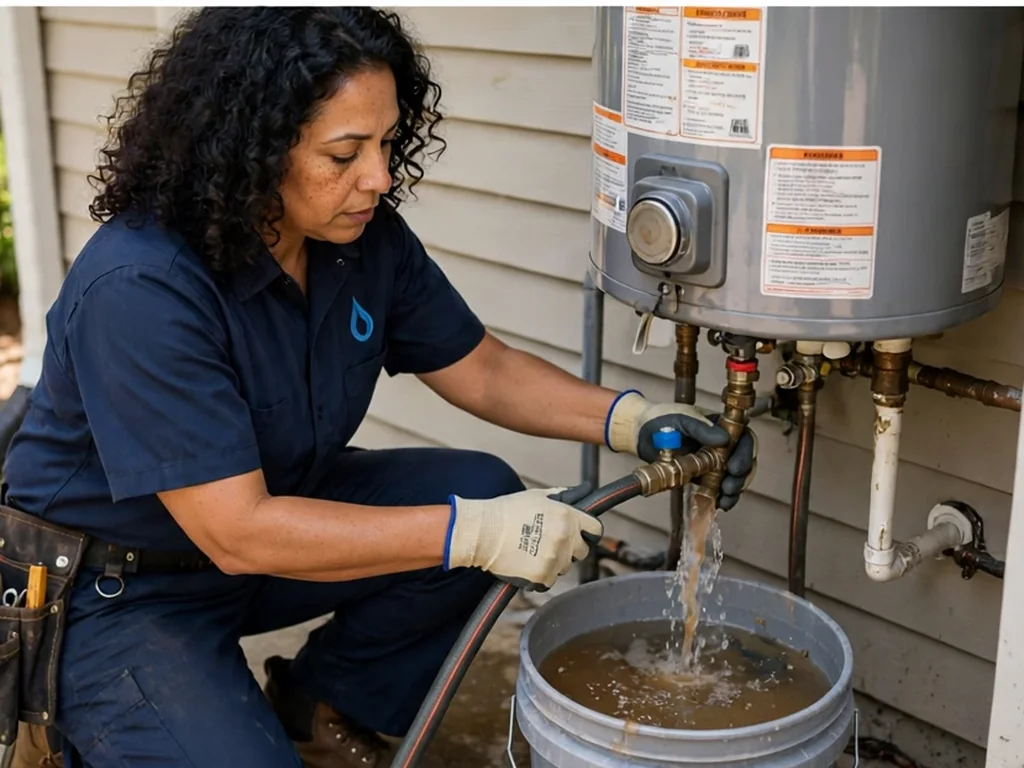
Tank water heaters fail from sediment buildup, corrosion, and pressure stress. Sediment insulates the burner or element, forcing the unit to work harder and raising energy costs. Corrosion weakens the tank from the inside, and once a tank leaks, it usually cannot be repaired. Maintenance flushes sediment and checks the anode rod, which sacrifices itself to protect the tank lining.
Tankless water heaters fail from scale buildup in the heat exchanger, which reduces flow and efficiency. Maintenance descales the unit and checks gas pressure and venting on gas models. Both tank and tankless units benefit from a pressure check and a look at the temperature and relief valve, which protects against overheating. For the underlying causes, see our guide to regional water hardness and scale.
Signs Your Water Heater Needs Attention
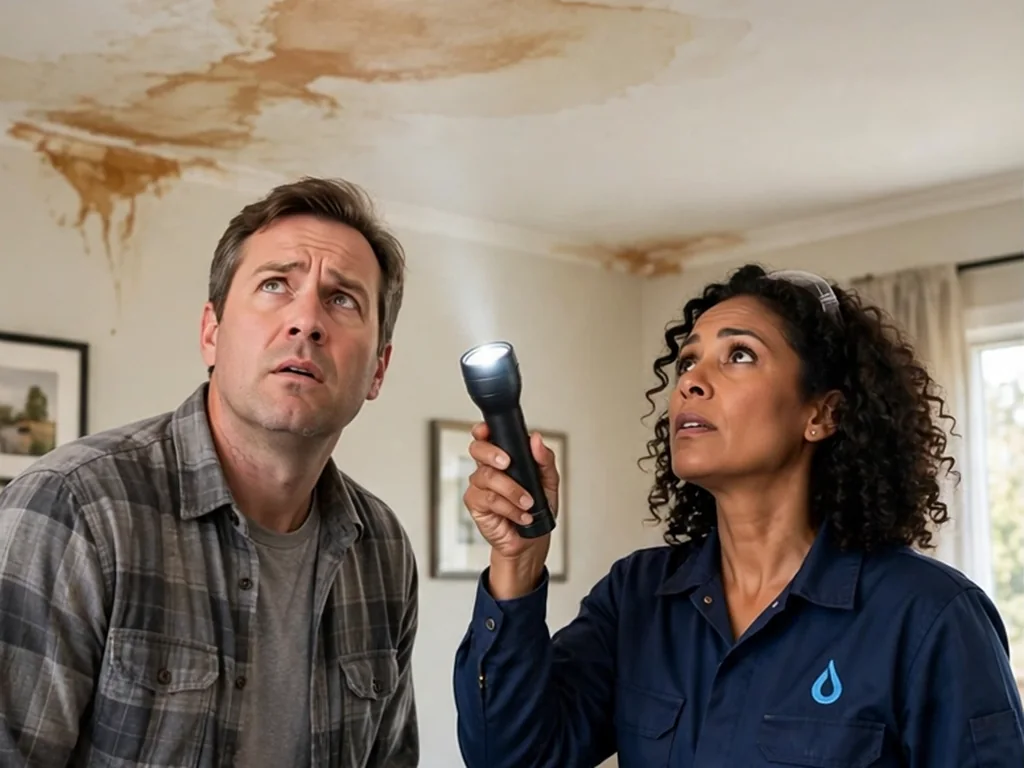
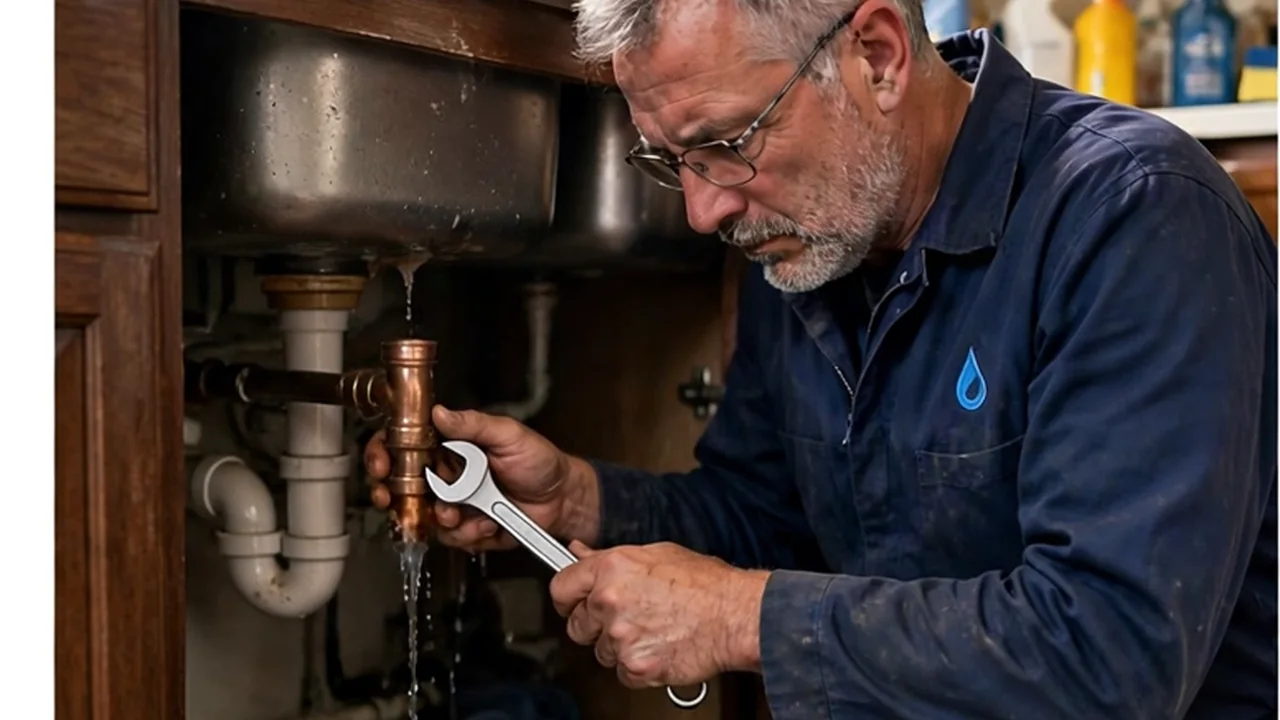
Leaking, running out of hot water, inconsistent temperature, and rising energy bills are the main warning signs. Leaking from the tank itself usually means replacement is near. Leaking from a fitting or valve may be a repair, so see our water leak repair service. Inconsistent hot water often points to a failing element or thermostat on electric models, or a sediment issue on gas models.
Rumbling or popping sounds come from sediment or scale. A slight metallic taste or discolored hot water can mean the anode rod is spent. If your unit is over ten years old and you see these signs, ask whether maintenance still makes sense or whether replacement is the better investment.
Tank vs Tankless and Gas vs Electric: What Matters for Maintenance
Tank water heaters need annual flushing and anode checks; tankless units need annual descaling, especially in areas with harder water. Gas models also need venting and combustion checks. Electric models have elements and thermostats that can fail and are simpler to service. Tankless units cost more upfront but last longer with proper care and save space.
The right choice depends on your hot water demand, fuel availability, and budget. Maintenance costs differ by type, and skipping it shortens the life of any unit. A professional can tell you which type fits your home and what maintenance it will need.