Why a Closed System Needs an Expansion Tank
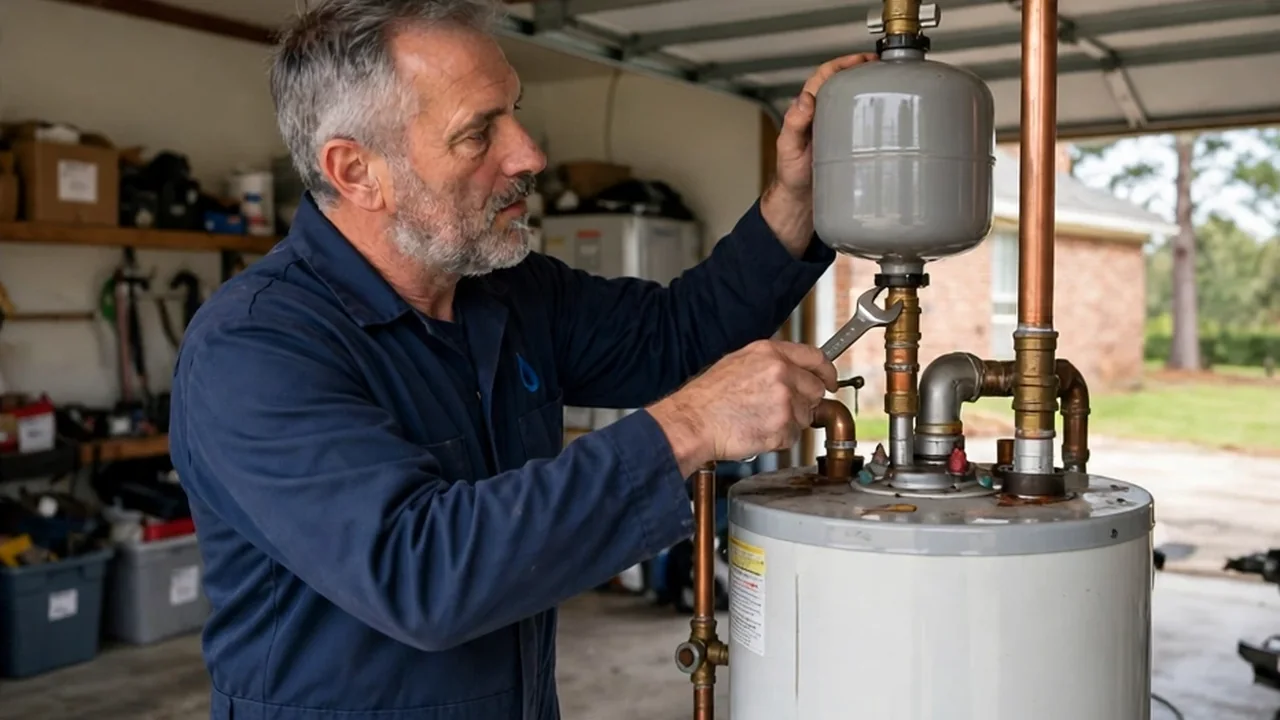
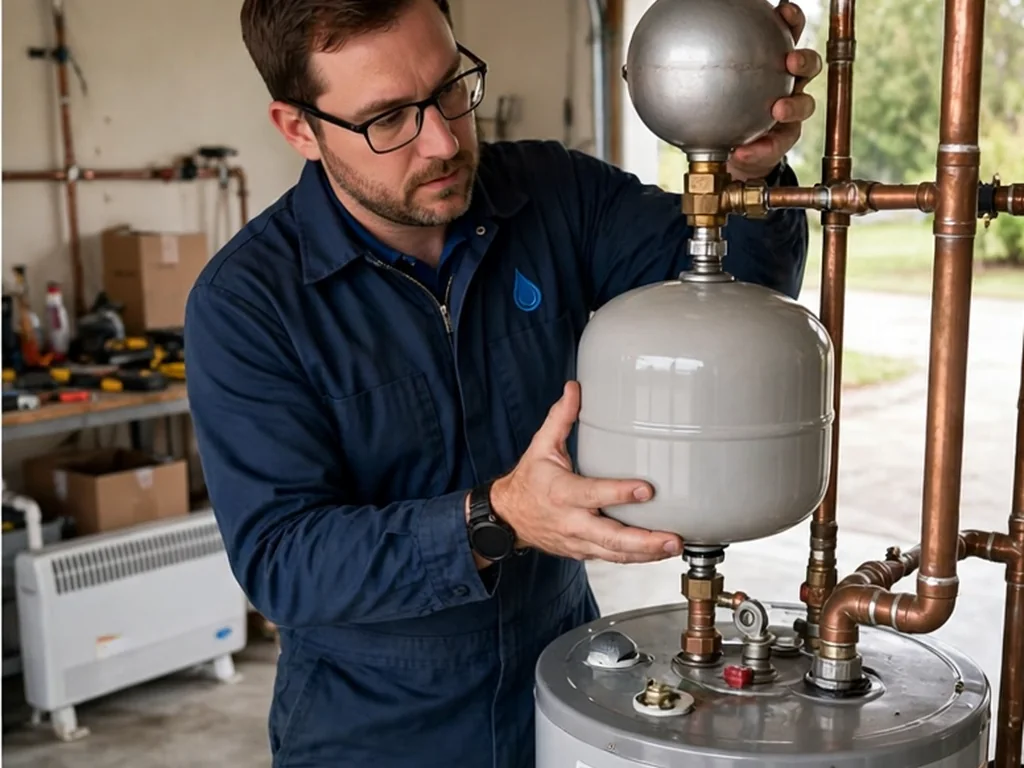
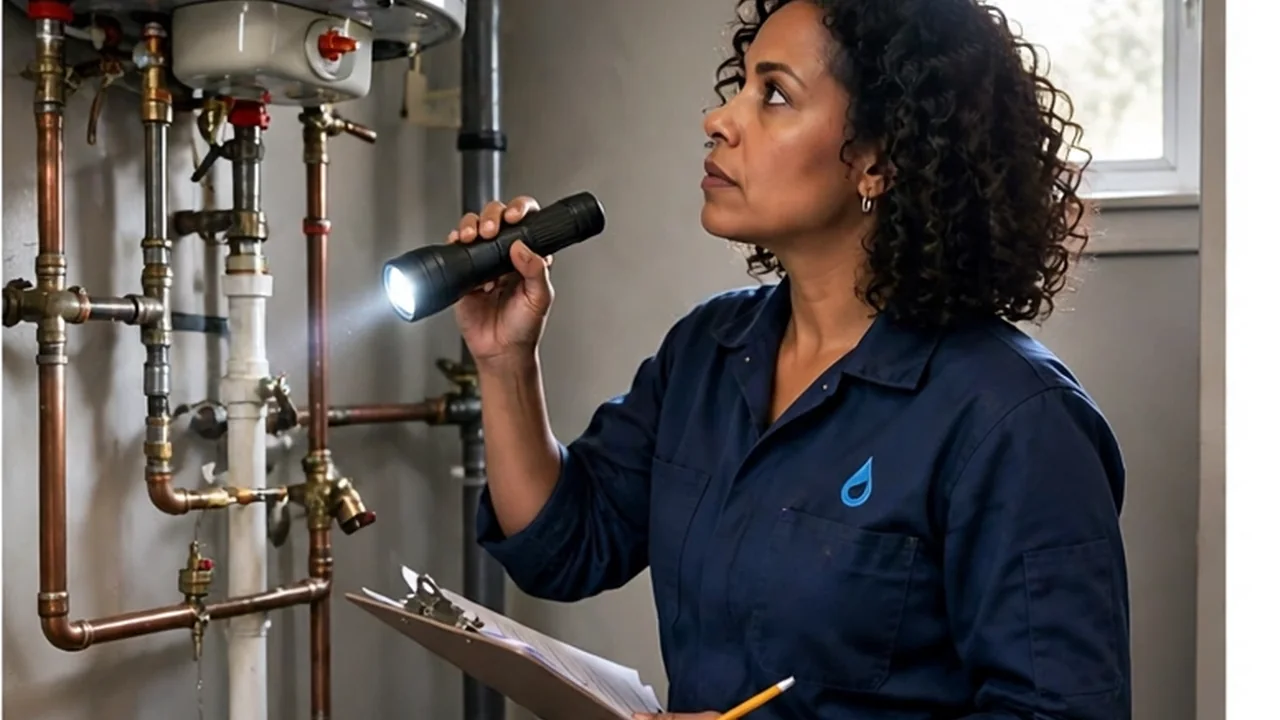
A check valve or backflow preventer on the supply line stops heated water from pushing back into the main, so pressure has nowhere to go. The expansion tank gives it a cushion: a sealed air chamber behind a rubber bladder compresses as water volume grows.
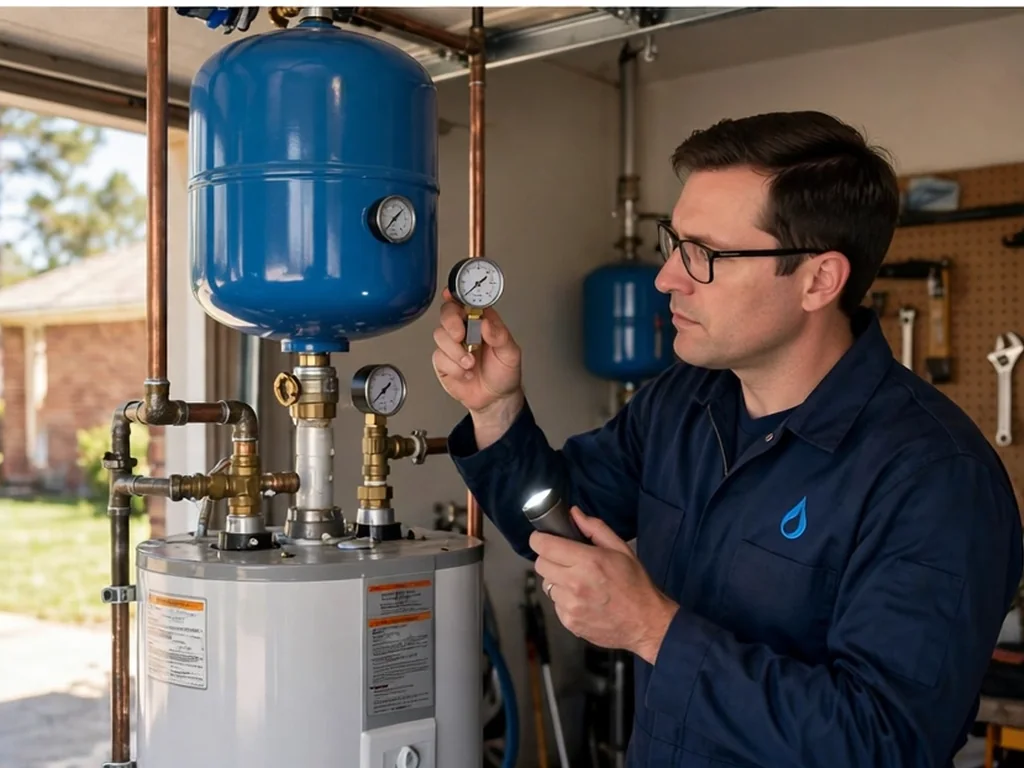
Without that cushion, pressure spikes stress the tank, fittings and relief valve. A dripping temperature and pressure relief valve is often the first visible sign.
Signs the Tank Has Failed
A failed expansion tank usually shows as water at the relief valve, a tank that feels heavy and waterlogged when tapped, or pressure that climbs after the burner or element runs. Rust streaks at the tank seam or a bladder that no longer holds its air charge point to replacement.
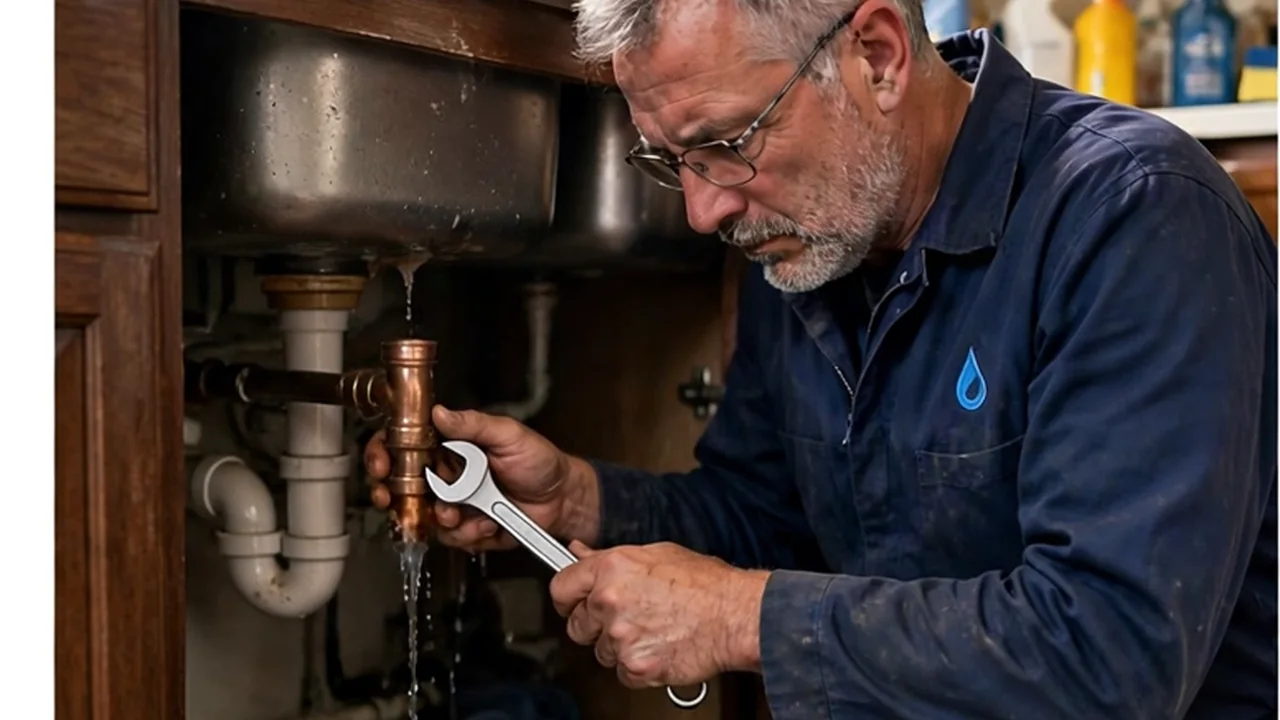
A tank water heater that leaks from the shell is a different problem and needs a plumber to assess the unit itself.
Tank Versus Tankless, Gas Versus Electric
Tank water heaters store hot water and generally need an expansion tank where the system is closed. Tankless water heaters heat on demand and avoid standby energy loss, but a closed system can still need pressure control.
Gas units need venting and a licensed plumber for the gas connection. Electric units need a dedicated circuit. Which fits your Newnan home depends on fuel available, space and hot-water demand.