How a Tank Water Heater Works and What Wears Out
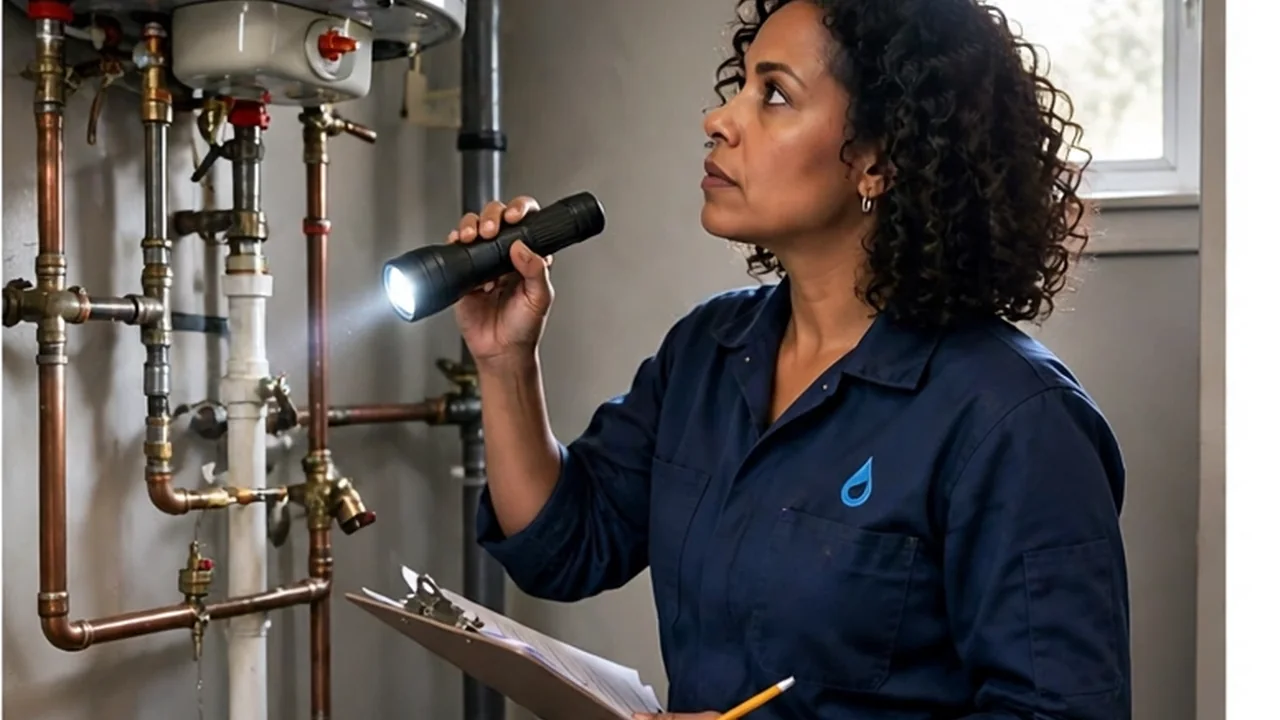
A tank water heater heats water with a gas burner or electric element and holds it until a tap opens. The tank's glass lining protects the steel, and a sacrificial anode rod corrodes first so the tank does not. Once the anode is spent, the lining can fail and the tank can leak, which is where water leak repair comes in.
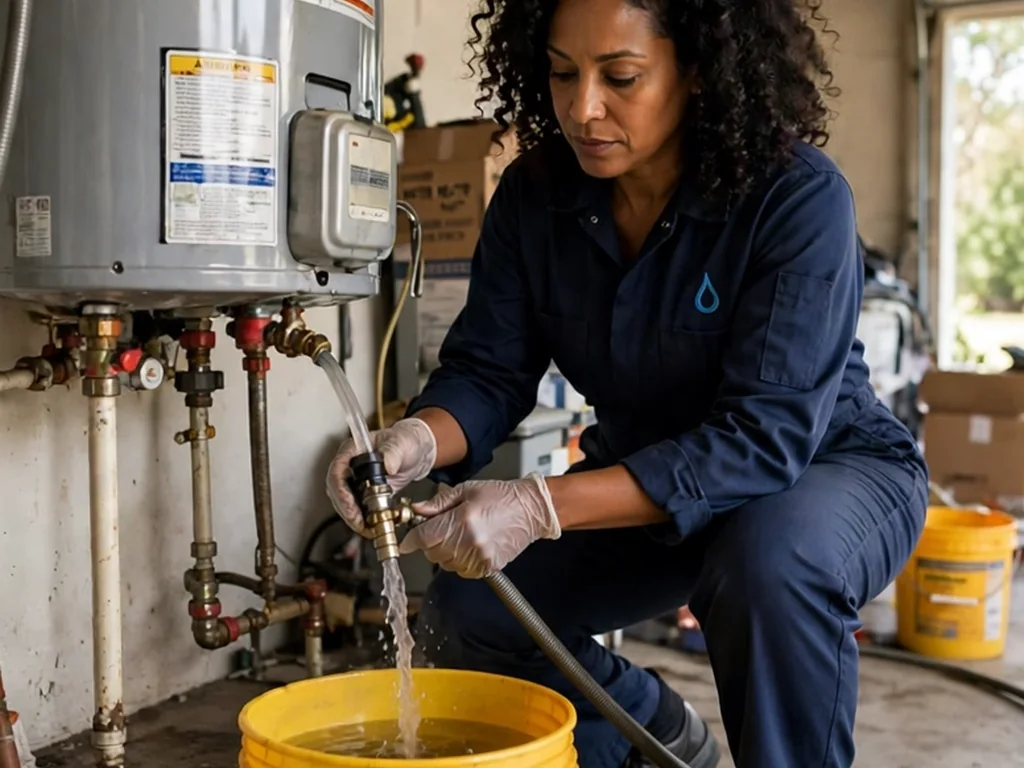
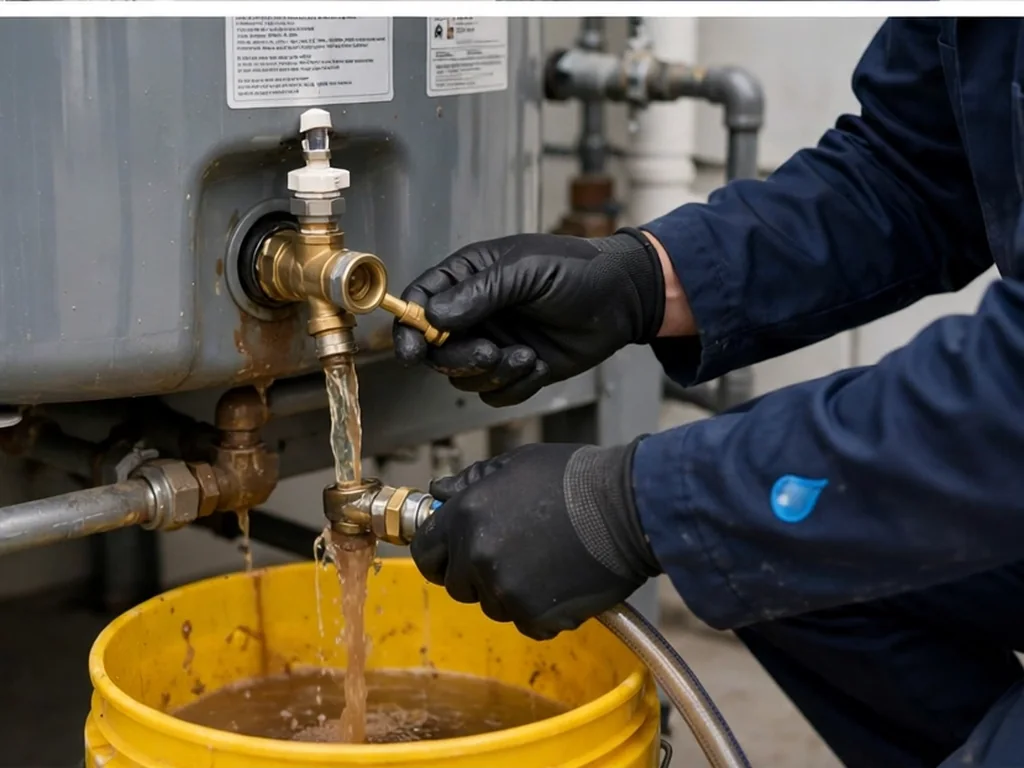
Sediment from hard water settles on the tank floor and insulates the burner or element, so the unit runs longer and hotter. Flushing the tank and checking the anode are the two maintenance steps that most affect how long a tank lasts. A tankless water heater avoids stored water but needs its own descaling.
Signs Your Tank Needs Attention
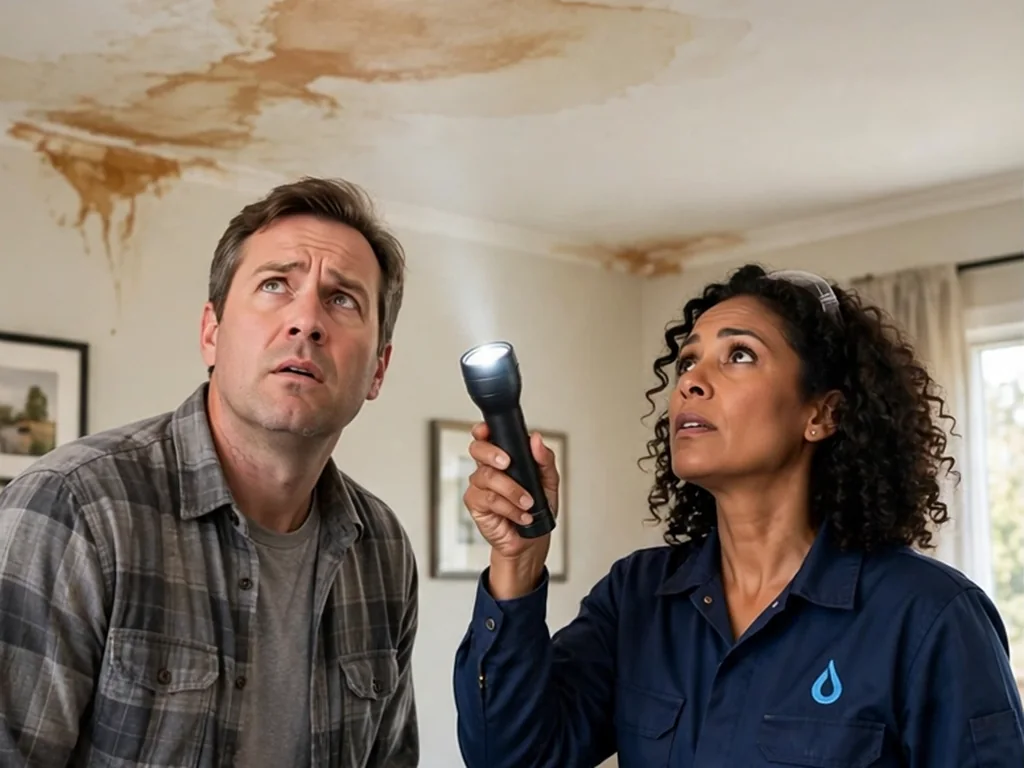
Rumbling or popping sounds mean sediment is boiling under the burner. Rusty water at the hot tap often points to a corroded anode or tank lining. Water pooling near the base suggests a leak that will not fix itself.
A tank that cannot keep up with demand, or a pressure-relief valve that drips, also calls for a look. Catch these early and a maintenance visit may be enough; leave them and the next step is usually water heater replacement, so get in touch with us if you notice either.
Safe DIY Care and When to Call a Plumber
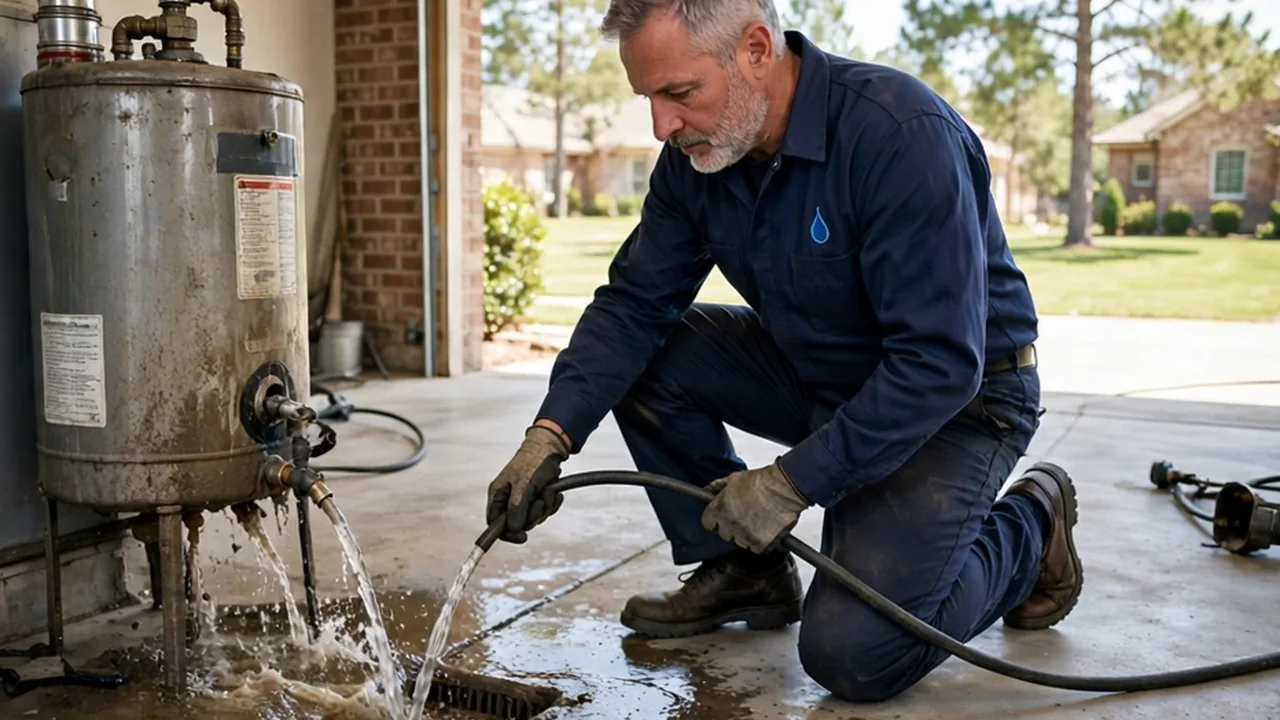
You can drain a few gallons from the tank annually to clear sediment, and you can test the pressure-relief valve by lifting its lever. Turn off power or gas first, and do not open the valve if it is seized.
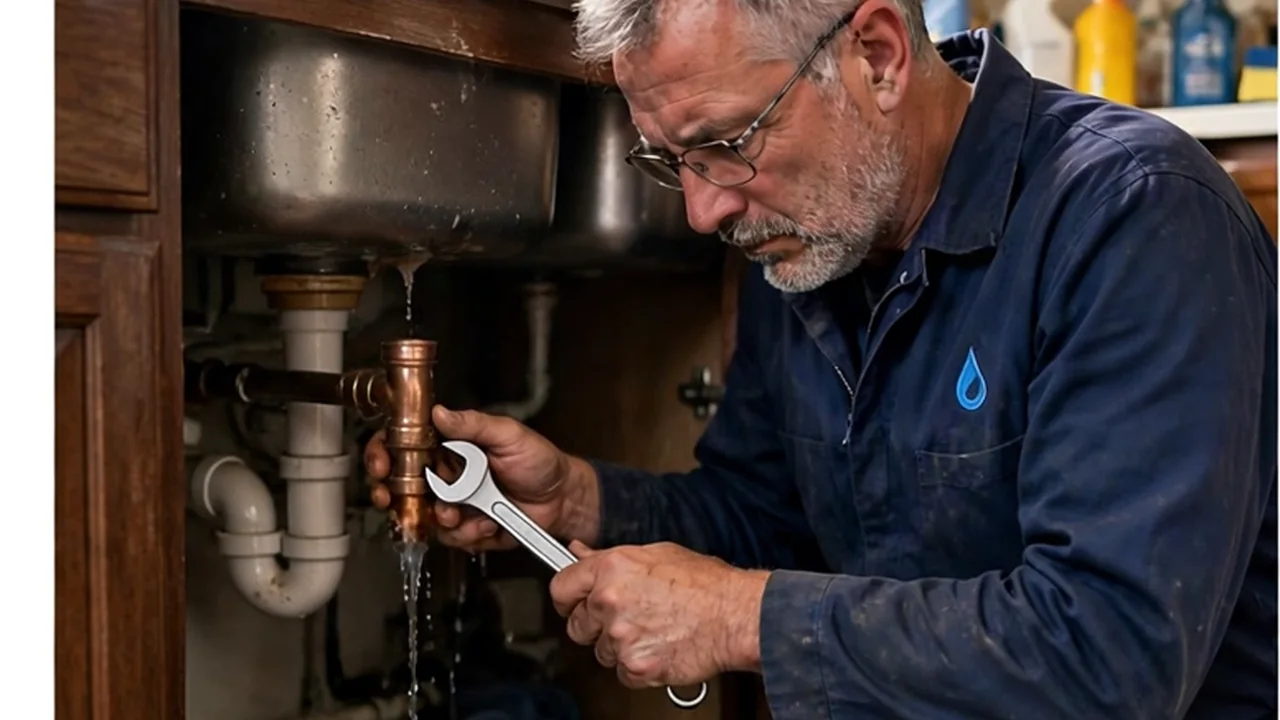
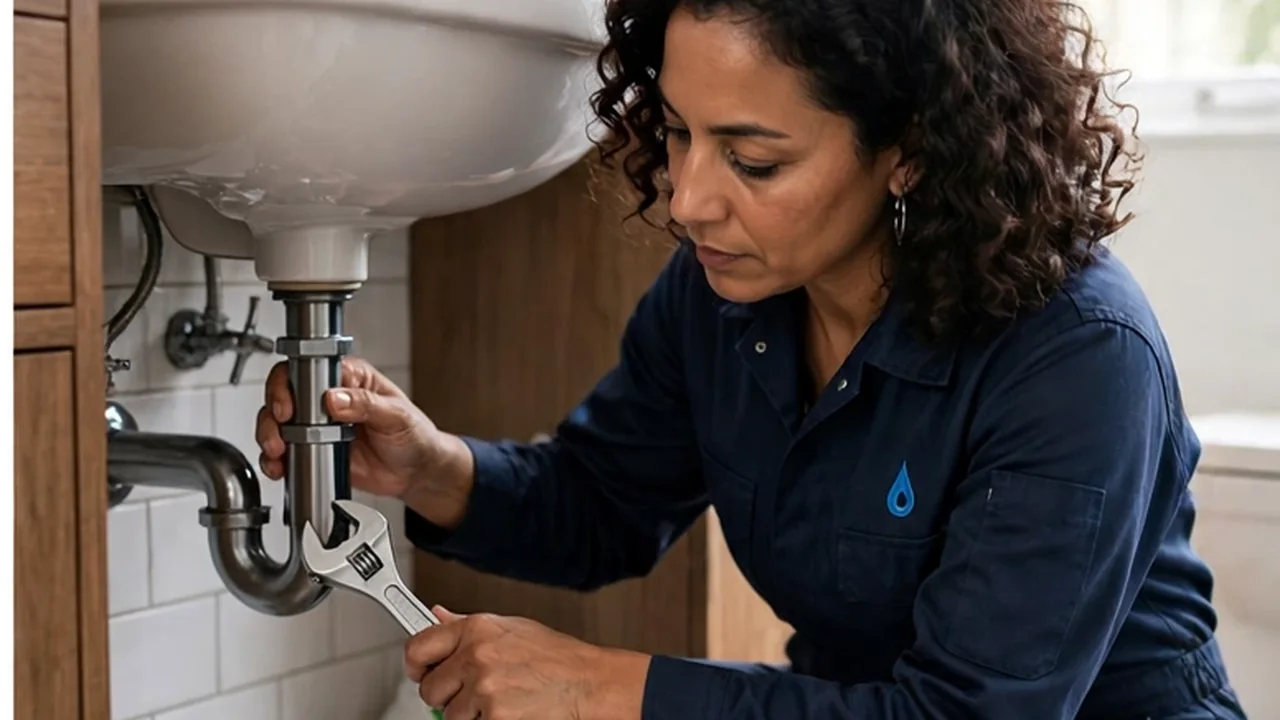
Gas connections, the anode rod, electrical elements and any leak from the tank itself are jobs for a licensed plumber. Working on gas or 240-volt circuits without training is dangerous. For leaks or a failed tank, call (770) 764-0768.