How a Grease Trap Works
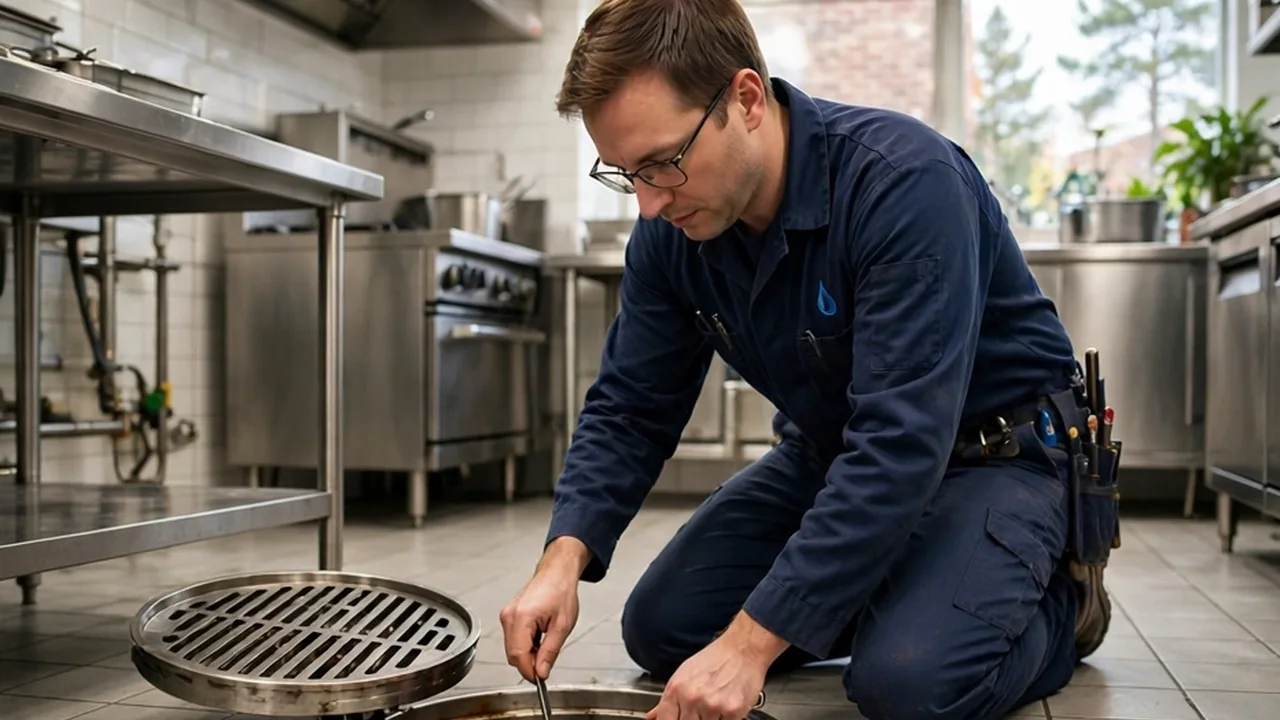
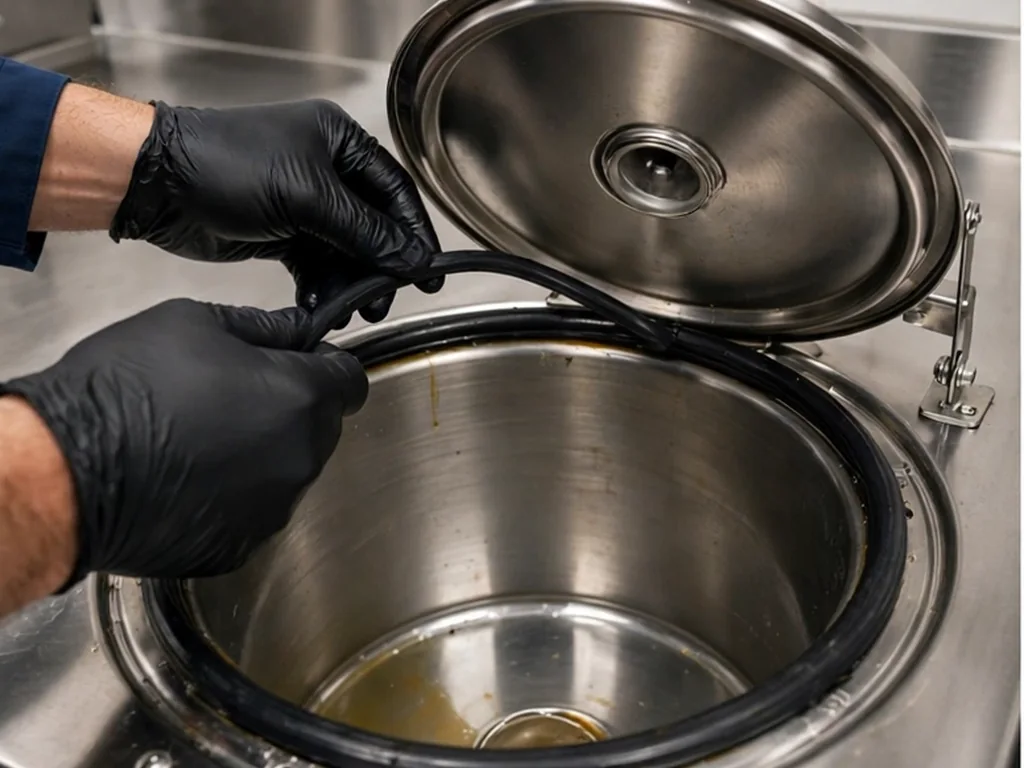
A grease trap is a box installed between your kitchen sink and the sewer line. Wastewater slows down inside it, letting grease float to the top and solids settle at the bottom, while clearer water flows out to the sewer.
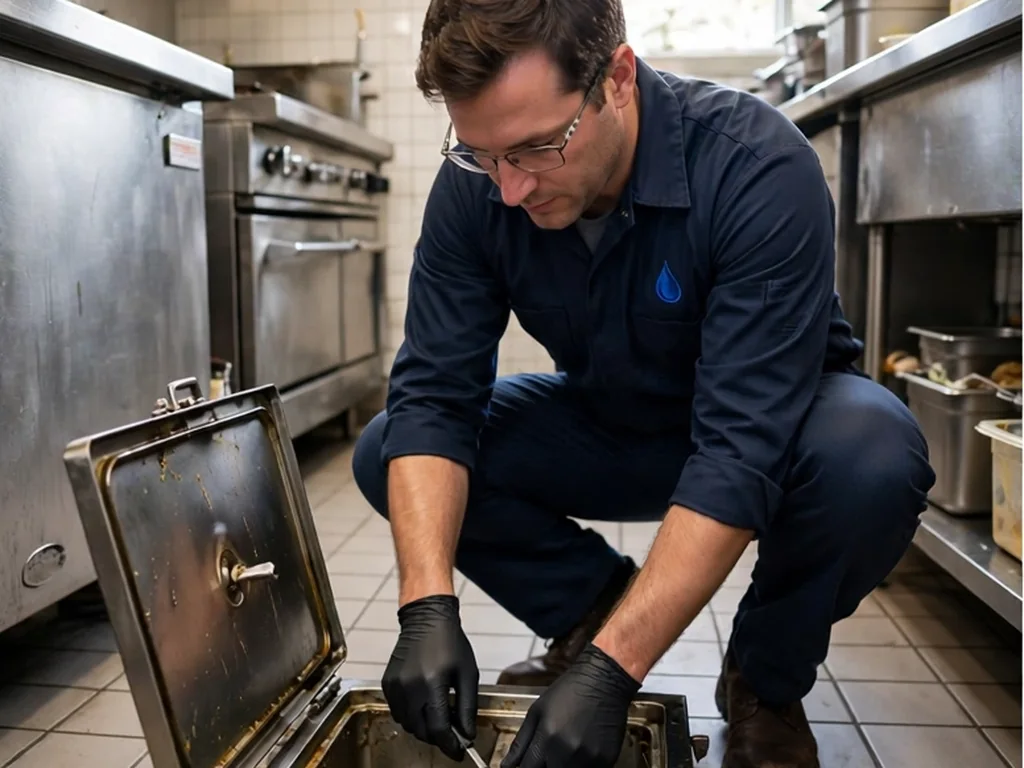
Over time, the trapped grease and solids build up and must be removed. If the trap is not cleaned regularly, the buildup can block the flow and cause backups.
Common Causes of Grease Trap Problems
Pouring cooking oil, grease, or food scraps down the drain is the main cause of grease trap issues. Even small amounts add up and harden inside the trap.
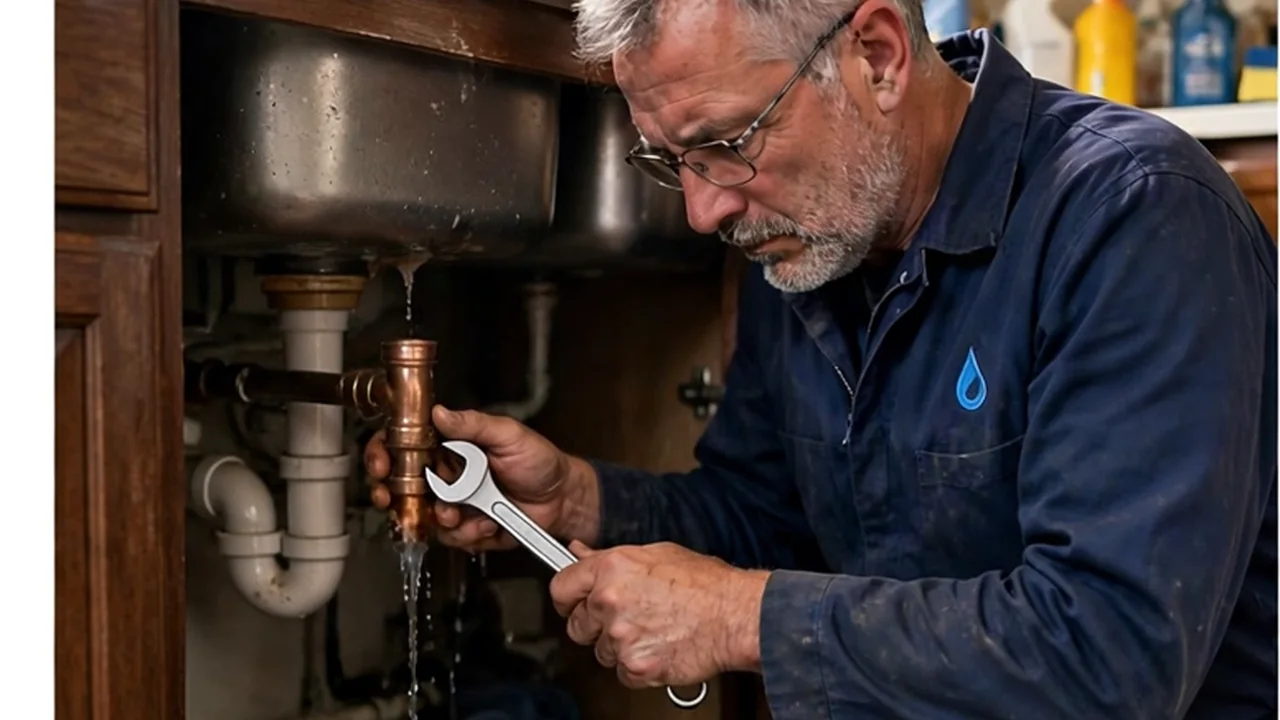
Other causes include infrequent cleaning, a trap that is too small for the kitchen's use, and physical damage such as cracks or loose fittings. These problems can lead to slow drains, odors, and sewage backups.
Safe Habits to Protect Your Grease Trap
Never pour grease down the drain. Collect it in a container and dispose of it in the trash. Scrape plates into the bin before washing, and use a strainer in the sink to catch food particles.
Schedule regular cleaning based on how much your kitchen uses the trap. For homes, cleaning may be needed less often than for restaurants, but the trap should still be checked periodically. If you notice slow drains or smells, call a professional.