What Causes Underground Pipes to Fail
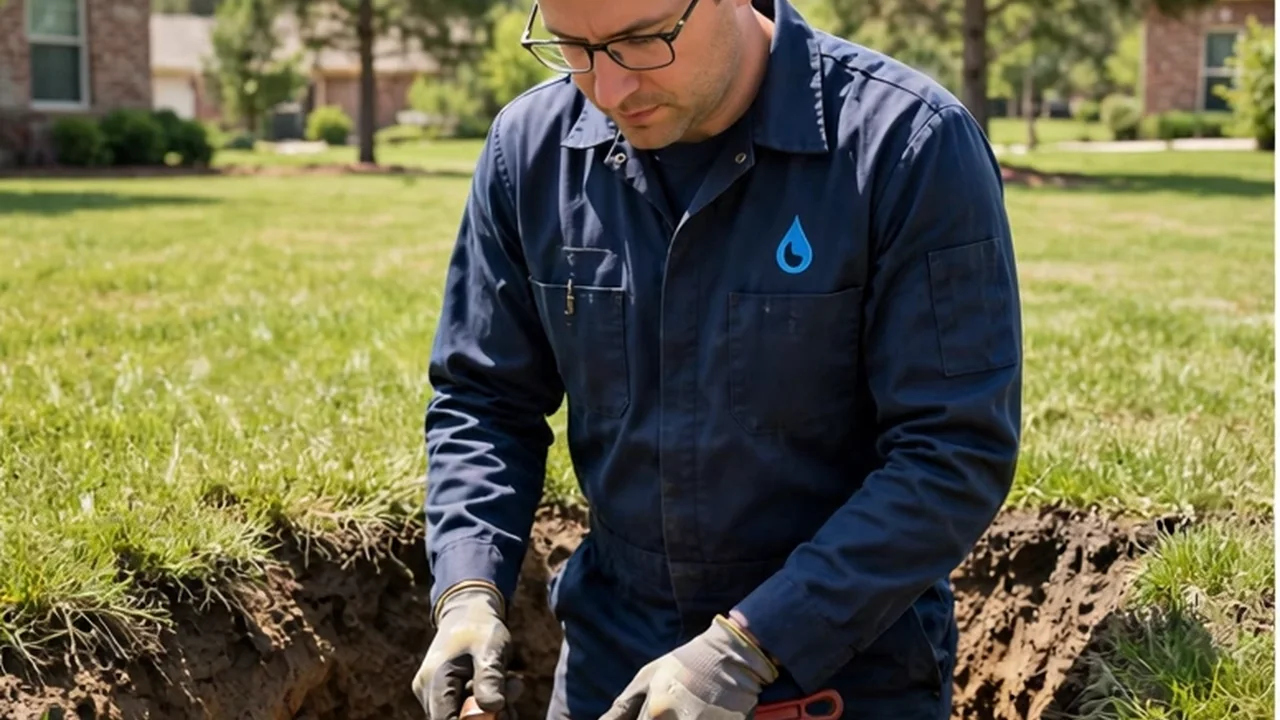
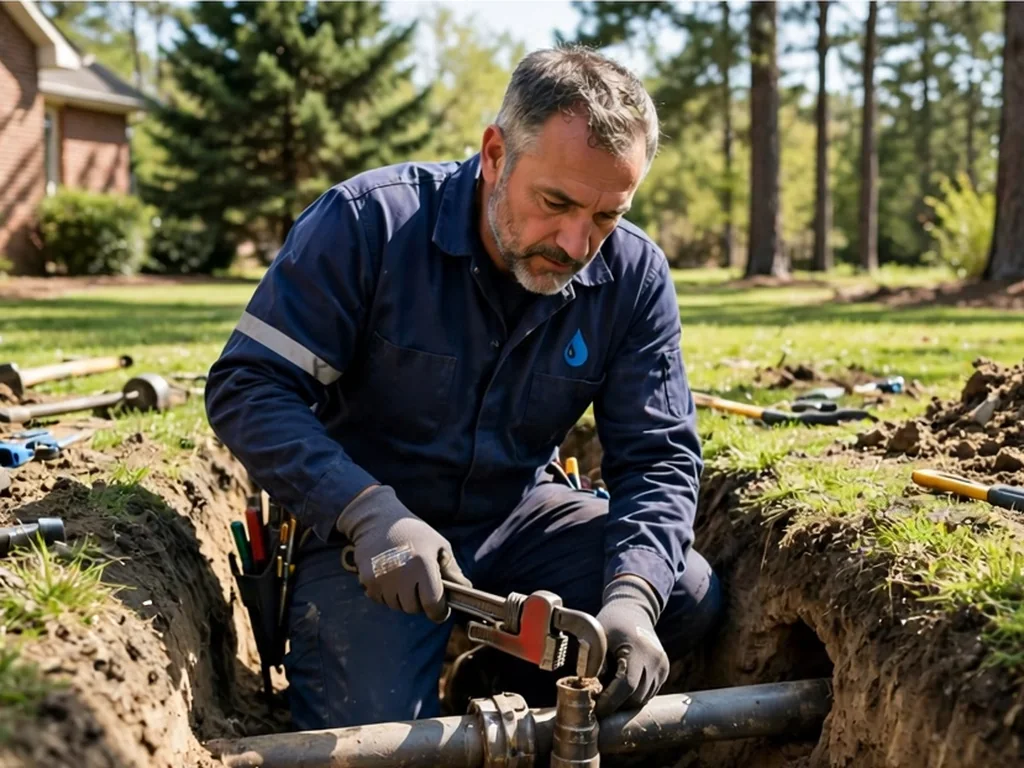
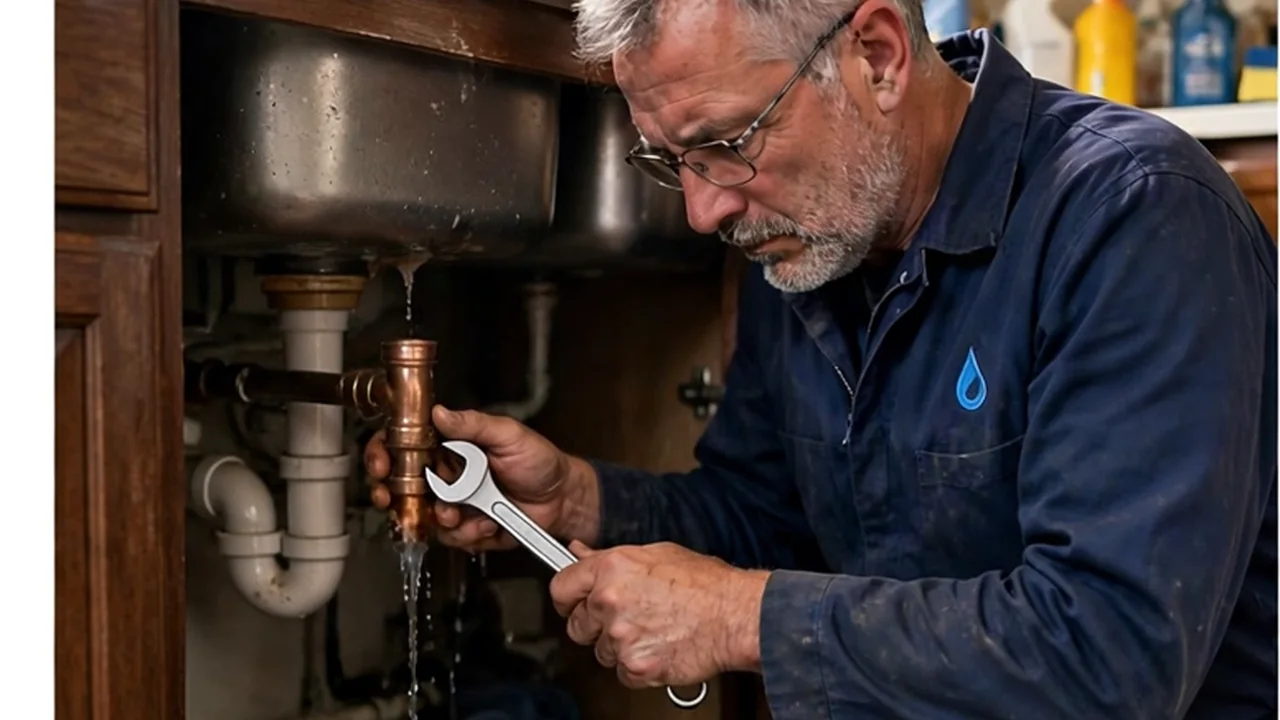
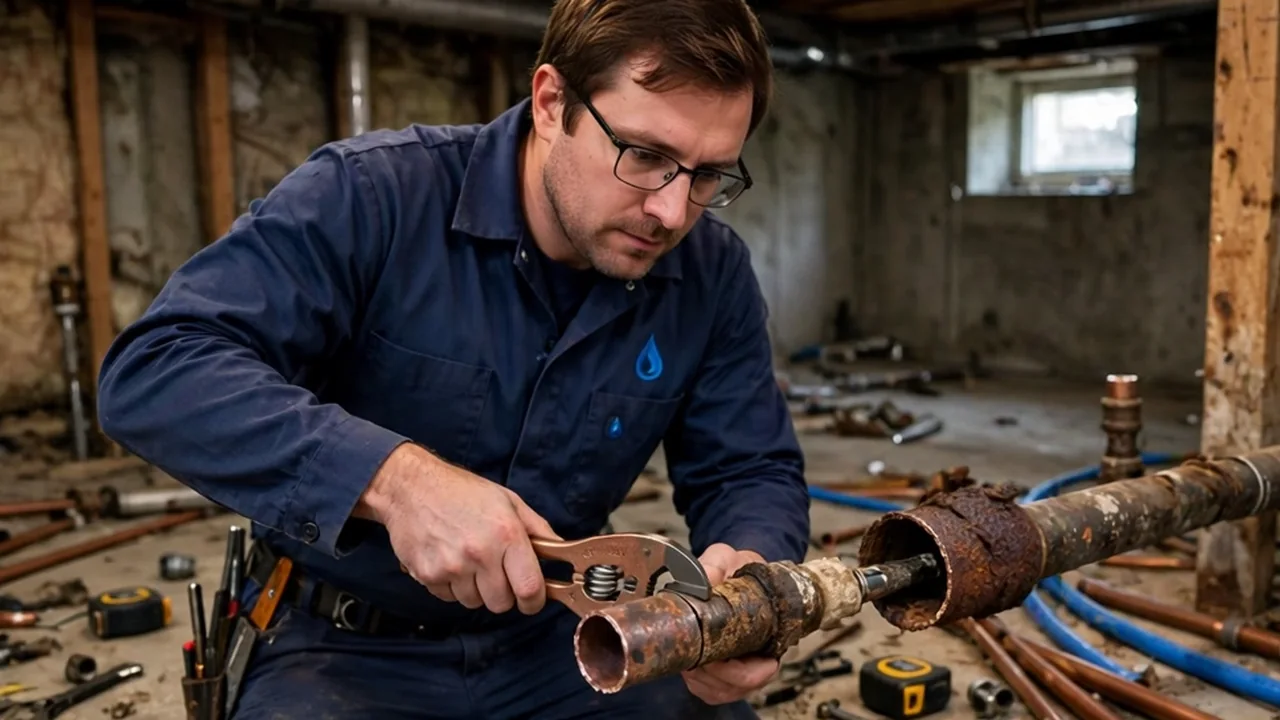
Underground pipes fail from age, soil movement, root intrusion, and corrosion. In Newnan, shifting clay soils and mature tree roots are common culprits. A water leak or sewer line break often follows years of gradual wear.
Freezing temperatures can also crack pipes, though this is less common in Georgia. If you notice unexplained spikes in your water bill or soggy patches in the yard, a buried pipe may be leaking.
Warning Signs You Should Not Ignore
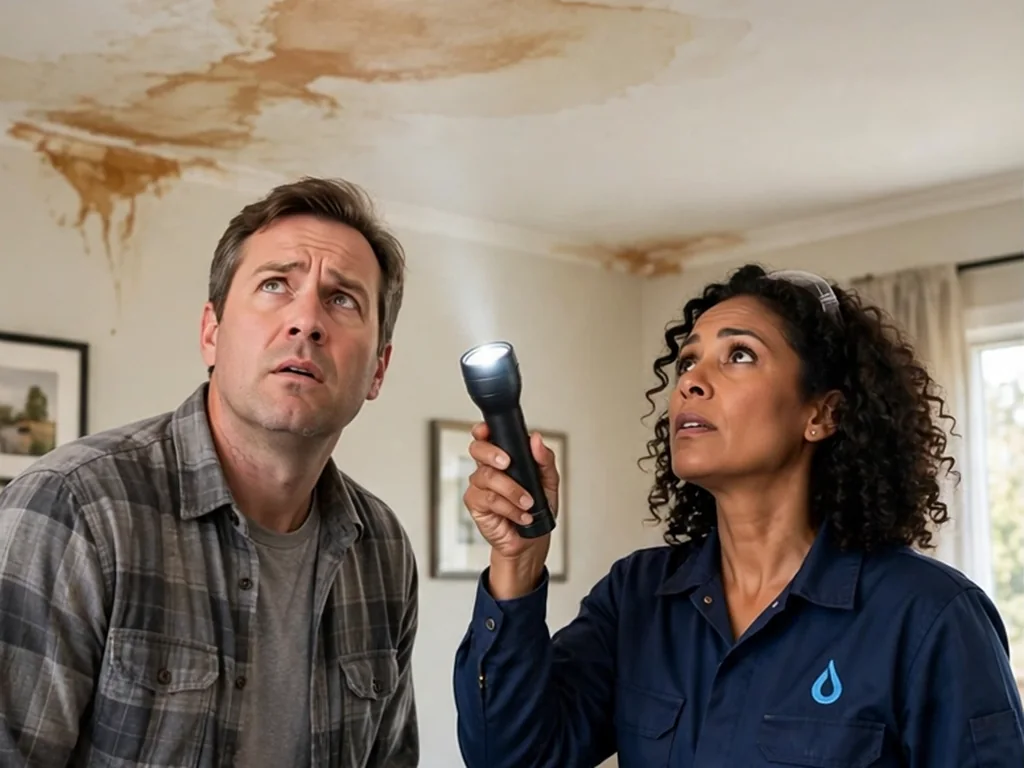
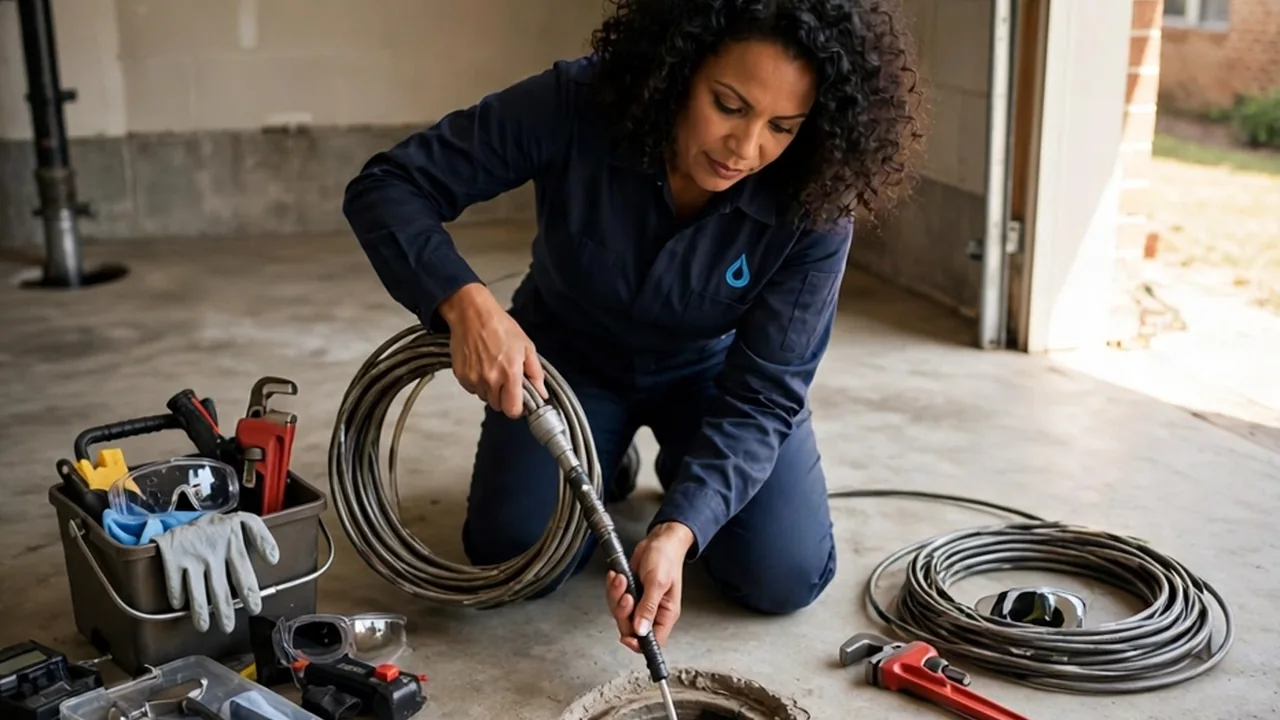
Warning signs include slow drains, gurgling toilets, sewage odors, and wet spots in the yard. These often point to a clogged or broken sewer line. A sudden drop in water pressure can signal a water line leak.
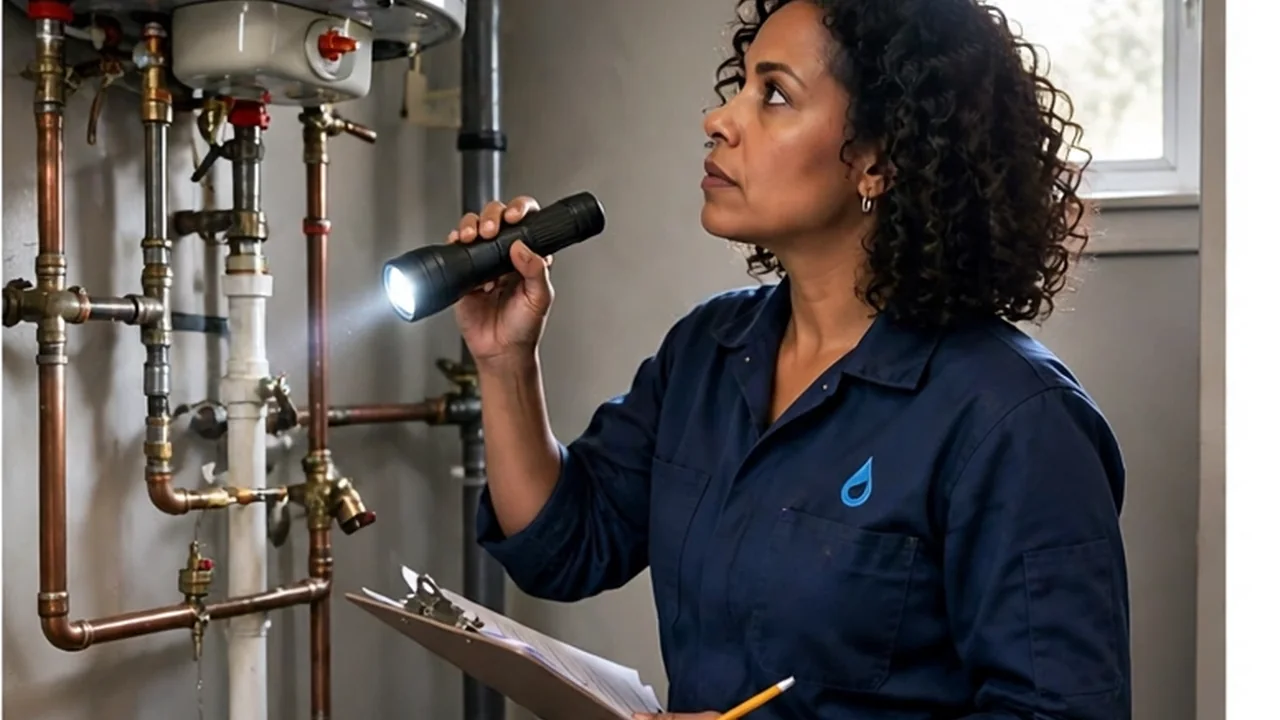
Do not ignore these signs. A small leak can erode soil and lead to a sinkhole or foundation damage. Call a licensed plumber for an inspection before the problem worsens.
Repair or Replace: Making the Decision
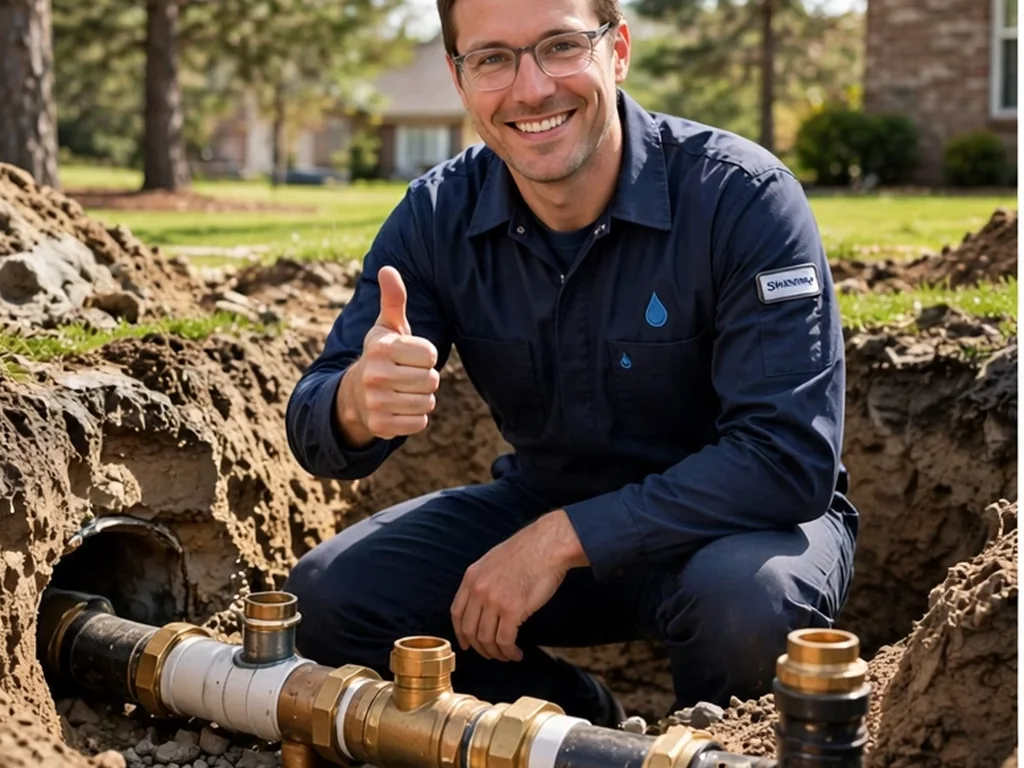
Repair is often right for isolated damage, while replacement makes sense for pipes that are old, repeatedly failing, or made of outdated materials. Consider the pipe's lifespan, the cost of repeated repairs, and warranty coverage.
For a deeper framework on water heaters, pipes, drains, and sewer lines, see our guide on when is repair the right choice versus replacement for water heaters, pipes, drains, and sewer lines.